A review on the traditional uses, nutritive importance, pharmacognostic features, phytochemicals, and pharmacology of Momordica cymbalaria Hook F
- PMID: 38436002
- PMCID: PMC10906271
- DOI: 10.7717/peerj.16928
A review on the traditional uses, nutritive importance, pharmacognostic features, phytochemicals, and pharmacology of Momordica cymbalaria Hook F
Abstract
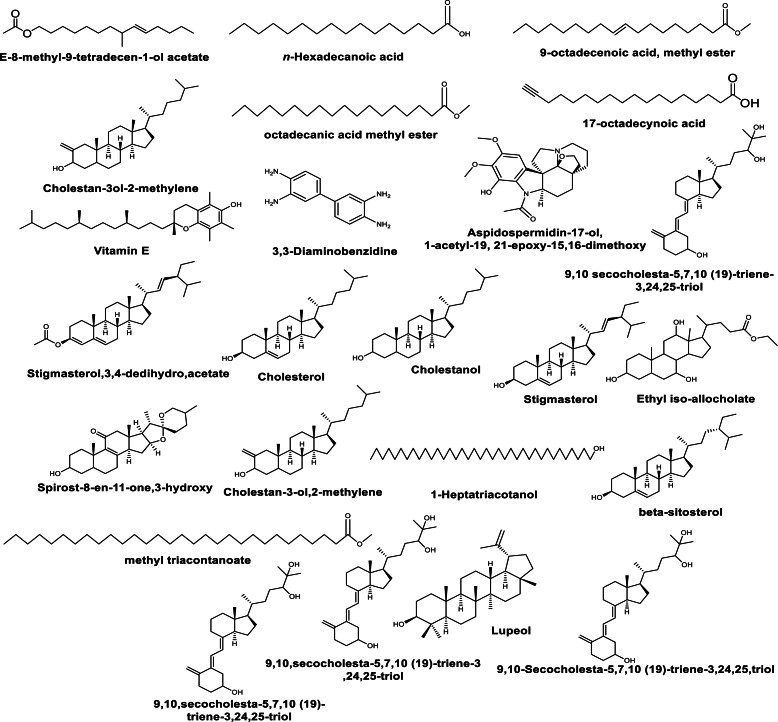
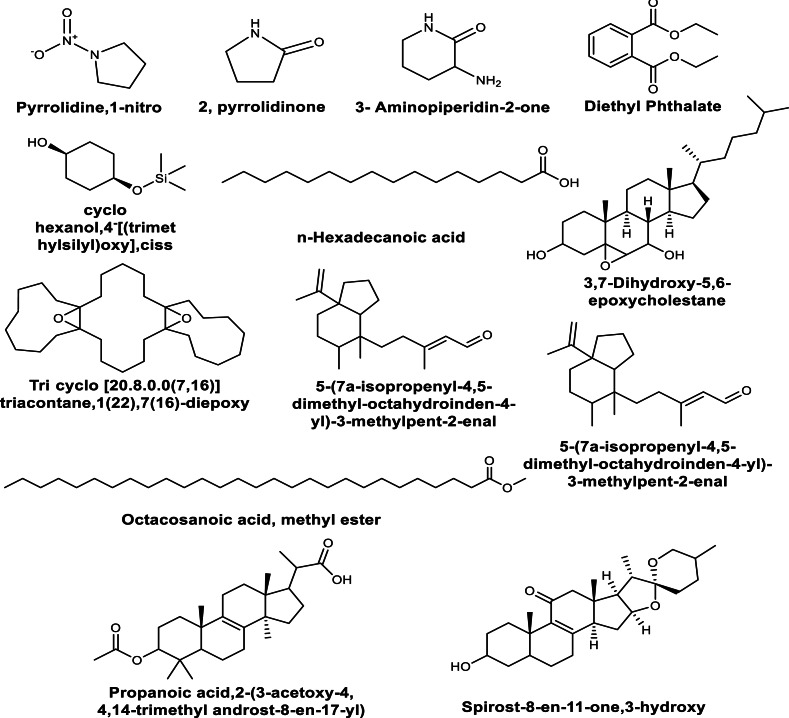
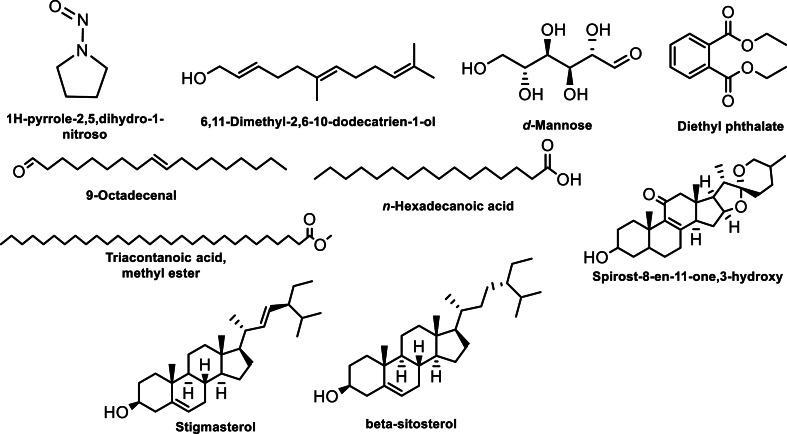
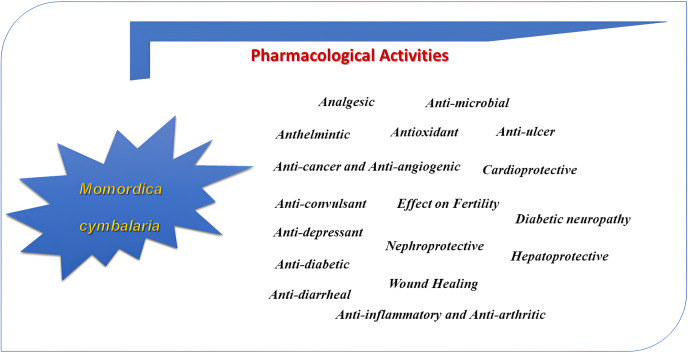
Momordica cymbalaria Hook F. (MC), belonging to the family Cucurbitaceae, is a plant with several biological activities. This detailed, comprehensive review gathers and presents all the information related to the geographical distribution, morphology, therapeutic uses, nutritional values, pharmacognostic characters, phytochemicals, and pharmacological activities of MC. The available literature showed that MC fruits are utilized as a stimulant, tonic, laxative, stomachic, and to combat inflammatory disorders. The fruits are used to treat spleen and liver diseases and are applied in folk medicine to induce abortion and treat diabetes mellitus. The phytochemical screening studies report that MC fruits contain tannins, alkaloids, phenols, proteins, amino acids, vitamin C, carbohydrates, β-carotenes, palmitic acid, oleic acid, stearic acid, α-eleostearic acid, and γ-linolenic acid. The fruits also contain calcium, sodium, iron, potassium, copper, manganese, zinc, and phosphorus. Notably, momordicosides are cucurbitacin triterpenoids reported in the fruits of MC. Diverse pharmacological activities of MC, such as analgesic, anti-inflammatory, antioxidant, hepatoprotective, nephroprotective, antidiabetic, cardioprotective, antidepressant, anticonvulsant, anticancer, antiangiogenic, antifertility, antiulcer, antimicrobial, antidiarrheal and anthelmintic, have been reported by many investigators. M. cymbalaria methanolic extract is safe up to 2,000 mg/kg. Furthermore, no symptoms of toxicity were found. These pharmacological activities are mechanistically interpreted and described in this review. Additionally, the microscopic, powder and physiochemical characteristics of MC tubers are also highlighted. In summary, possesses remarkable medicinal values, which warrant further detailed studies to exploit its potential benefits therapeutically.
Keywords: Antidiabetic; Cucurbitaceae; Cucurbitacin triterpenoids; Momordica cymbalaria; Pharmacological activities; Phytochemicals.
©2024 Mohammed et al.
Conflict of interest statement
Marwa Fayed is an Academic Editor for PeerJ.
Figures
References
-
- Balkhande SV, Surwase BS. Antimicrobial activity of tuberous root extracts Of Momordica Cymbalaria Hook. Asian Journal of Pharmaceutical and Clinical Research. 2013;6(1):201–203.
-
- Carlo GD, Mascolo N, Izzo AA, Capasso F, Autore GJ. Effects of quercetin on the gastrointestinal tract in rats and mice. Phytotherapy Research. 1994;8(1):42–45. doi: 10.1002/ptr.2650080110. - DOI
Publication types
MeSH terms
Substances
LinkOut - more resources
Full Text Sources