Review
. 2024 Mar 1:20:504-539.
doi: 10.3762/bjoc.20.45. eCollection 2024.

Switchable molecular tweezers: design and applications

Affiliations
Review

Switchable molecular tweezers: design and applications

Pablo Msellem et al. Beilstein J Org Chem. .

Abstract

Switchable molecular tweezers are a unique class of molecular switches that, like their macroscopic analogs, exhibit mechanical motion between an open and closed conformation in response to stimuli. Such systems constitute an essential component of artificial molecular machines. This review will present selected examples of switchable molecular tweezers and their potential applications. The first part will be devoted to chemically responsive tweezers, including stimuli such as pH, metal coordination, and anion binding. Then, redox-active and photochemical tweezers will be presented.

Keywords: coordination; molecular recognition; molecular switches; photoswitch; redox; supramolecular chemistry.


Figures

Figure 1
Figure 1
Principle of switchable molecular tweezers.
Figure 2
Figure 2
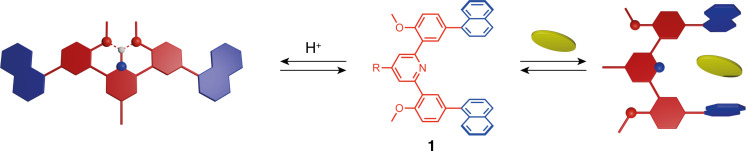
Principle of pH-switchable molecular tweezers 1 [19].
Figure 3
Figure 3
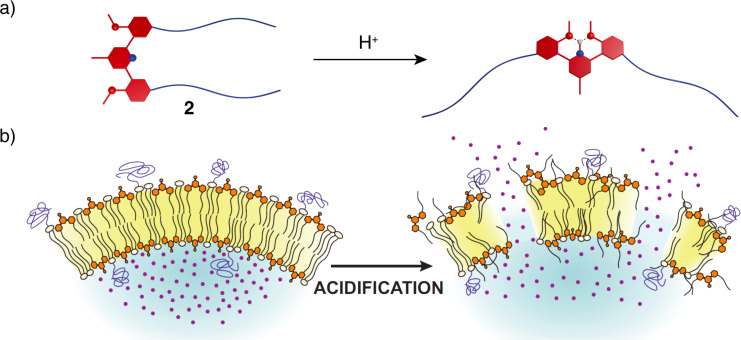
a) pH-Switchable tweezers 2 substituted with alkyl chains as switchable lipids. b) Schematic depiction of the lipid bilayer disruption mechanism induced by 2. Figure 3b was reproduced from [20] W. Viricel et al., “Switchable Lipids: Conformational Change for Fast pH-Triggered Cytoplasmic Delivery” Angew. Chem., Int Ed. with permission from John Wiley and Sons. © 2015 WILEY-VCH Verlag GmbH & Co. KGaA, Weinheim. This content is not subject to CC BY 4.0.
Figure 4
Figure 4
Modification of spectral properties of 3 by controlled induction of Pt–Pt interactions.
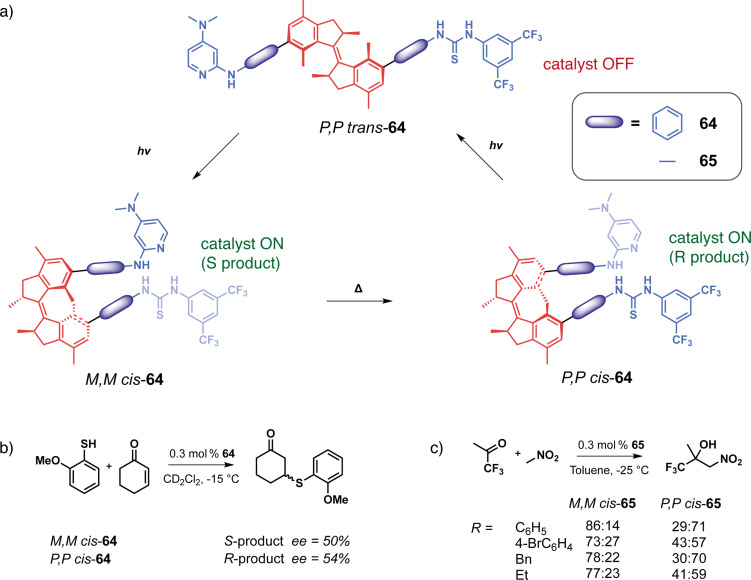
Figure 5
Figure 5
Conformational switching of di(hydroxyphenyl)pyrimidine-based tweezer 4 upon alkylation or fluoride anion addition.
Figure 6
Figure 6
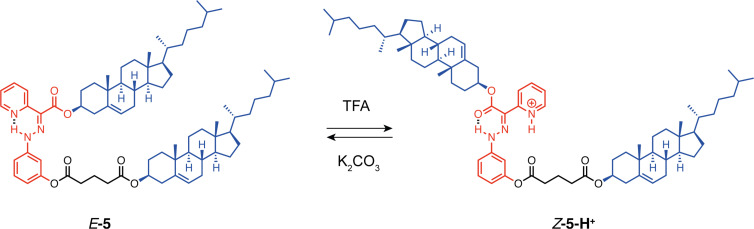
Hydrazone-based pH-responsive tweezers 5 for mesogenic modulation.
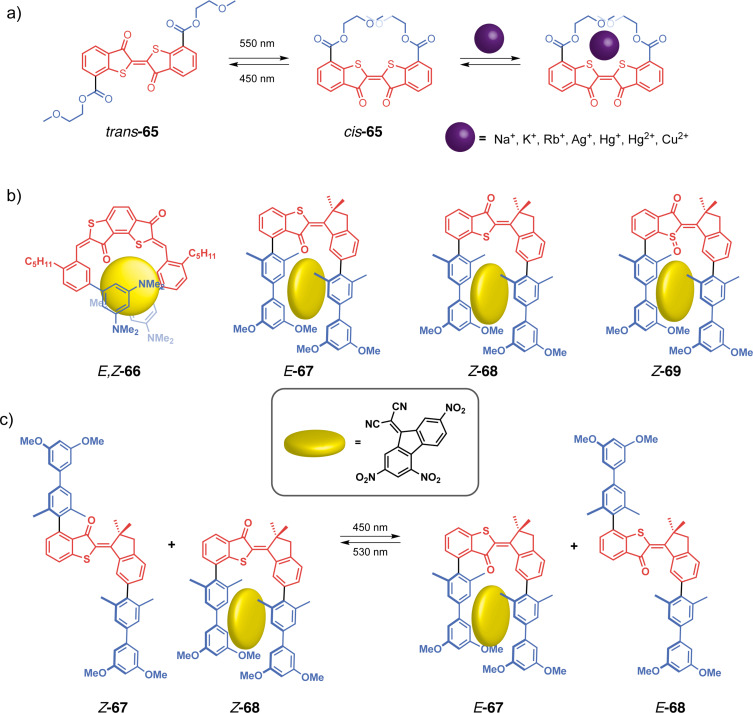
Figure 7
Figure 7
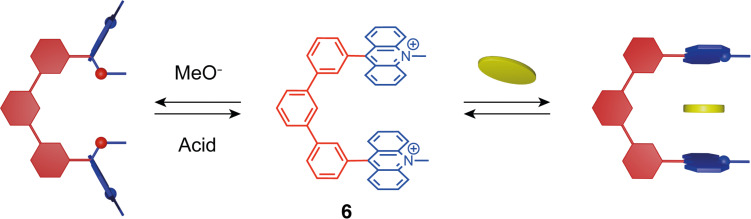
pH-Switchable molecular tweezers 6 bearing acridinium moieties.
Figure 8
Figure 8
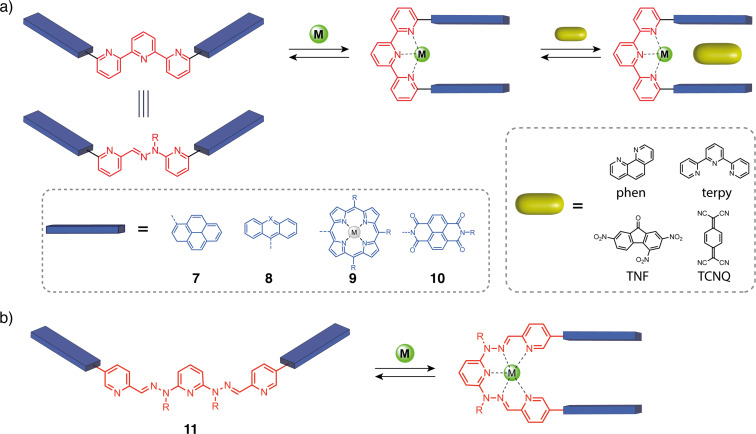
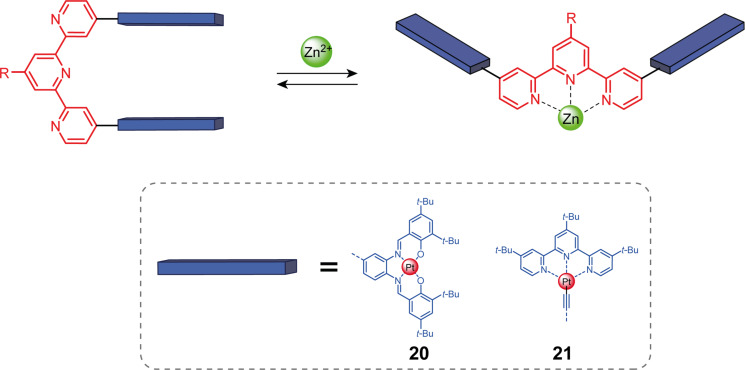
a) Terpyridine and pyridine-hydrazone-pyridine analogs molecular tweezers and b) extended pyridine bishydrazone tweezers for guest binding.
Figure 9
Figure 9
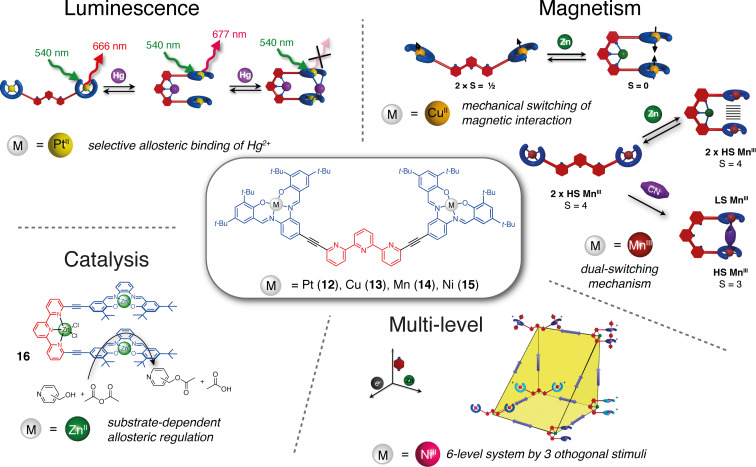
Terpyridine-based molecular tweezers with M–salphen arms and their field of application. Figure 9 was adapted with permission from [46], Copyright © 2017 American Chemical Society. This content is not subject to CC BY 4.0.”
Figure 10
Figure 10
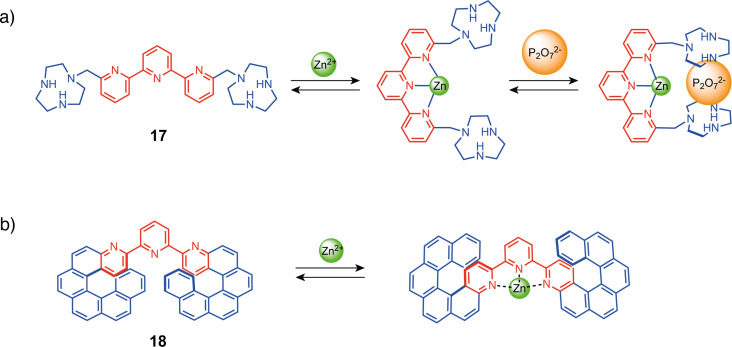
a) Terpyridine-based molecular tweezers for diphosphate recognition [48]; b) bishelicene chiroptical terpyridine-based switch [50].
Figure 11
Figure 11
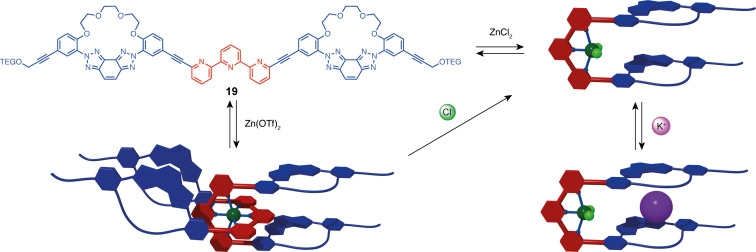
Terpyridine-based molecular tweezers with allosteric cooperative binding.
Figure 12
Figure 12
Terpyridine-based molecular tweezers presenting closed by default conformation.
Figure 13
Figure 13
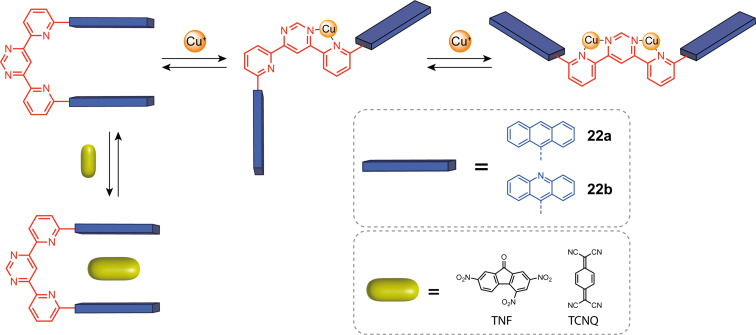
Pyridine-pyrimidine-pyridine-based molecular tweezers.
Figure 14
Figure 14
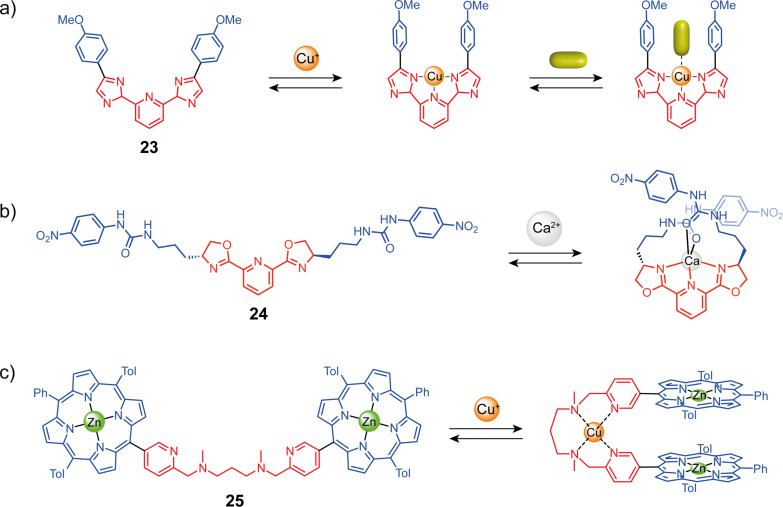
Coordination-responsive molecular tweezers based on nitrogen-containing ligands.
Figure 15
Figure 15
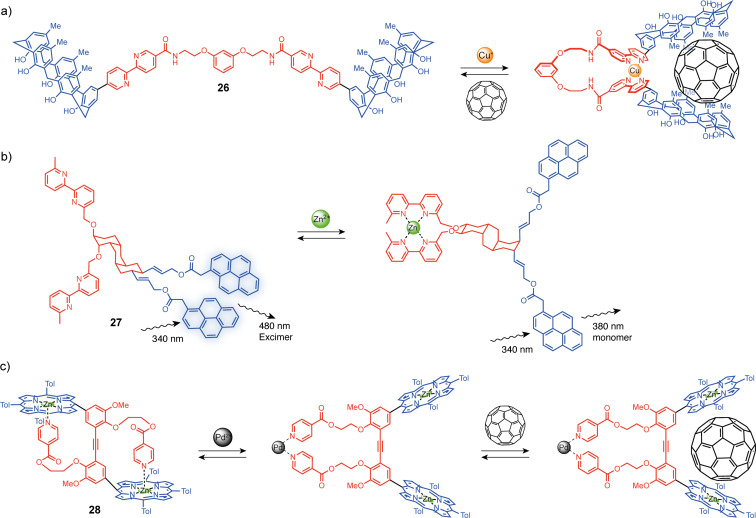
Molecular tweezers exploiting the remote bipyridine or pyridine binding to trigger the conformational change.
Figure 16
Figure 16
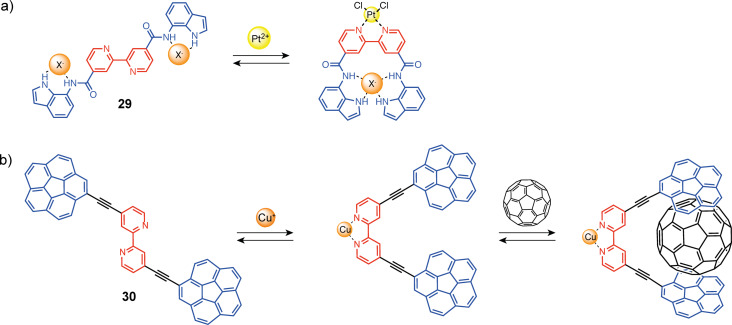
Bipyridine-based molecular tweezers exploiting the direct s-trans to s-cis-switching for a) anion binding or b) fullerene recognition.
Figure 17
Figure 17
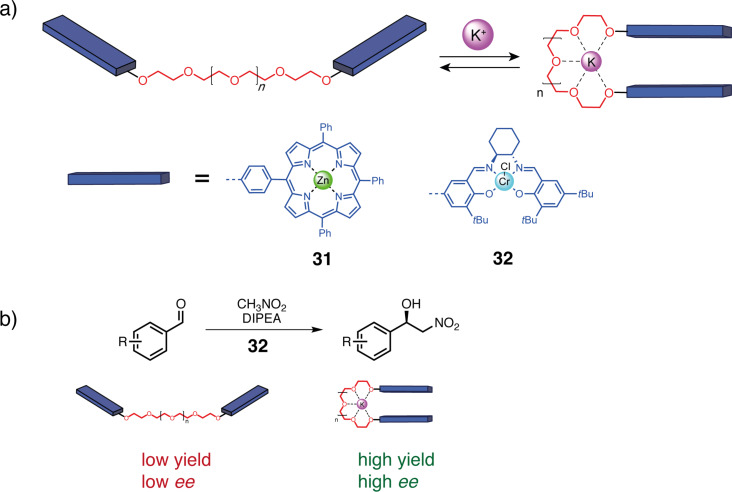
a) Podand-based molecular tweezers [–67]. b) Application of tweezers 32 for the catalytic allosteric regulation of the Henry reaction between benzaldehyde derivatives and nitromethane.
Figure 18
Figure 18
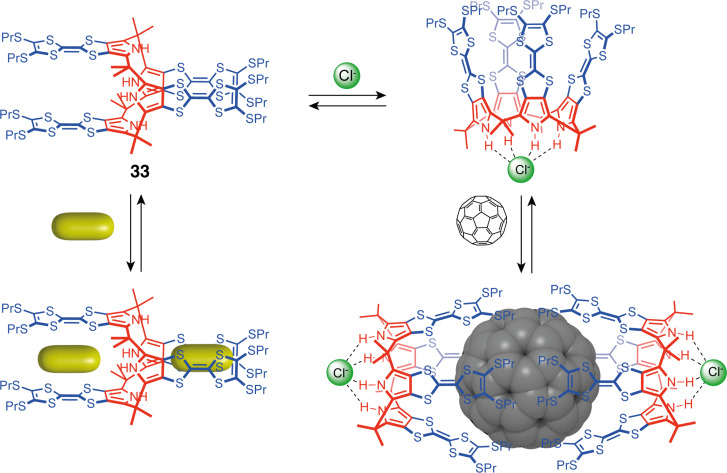
Anion-triggered molecular tweezers based on calix[4]pyrrole.
Figure 19
Figure 19
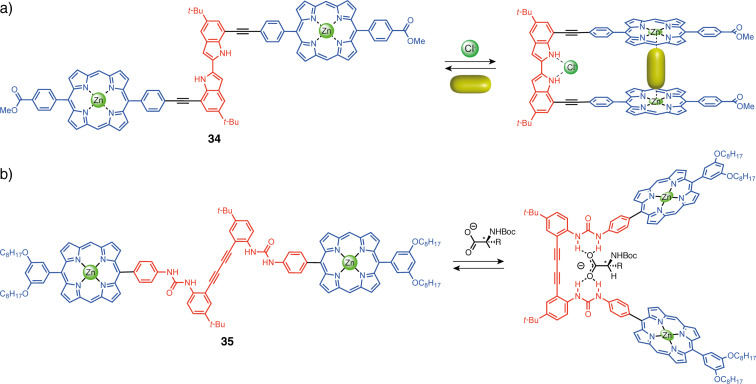
Anion-triggered molecular tweezers.
Figure 20
Figure 20
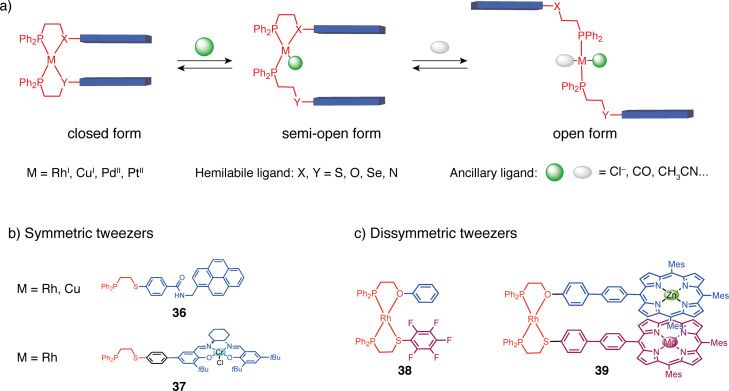
a) Principle of the weak link approach (WLA) developed by Mirkin and its application to b) symmetric and c) dissymmetric molecular tweezers.
Figure 21
Figure 21
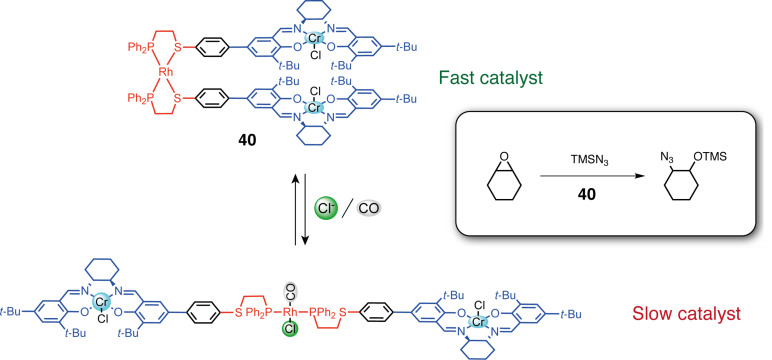
Molecular tweezers as allosteric catalyst in asymmetric epoxide opening [80].
Figure 22
Figure 22
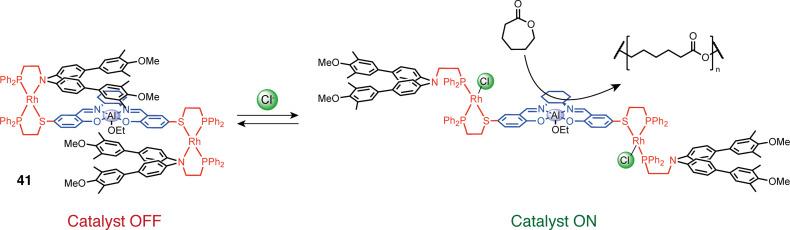
Allosteric regulation of catalytic activity in ring-opening polymerization with double tweezers 41.
Figure 23
Figure 23
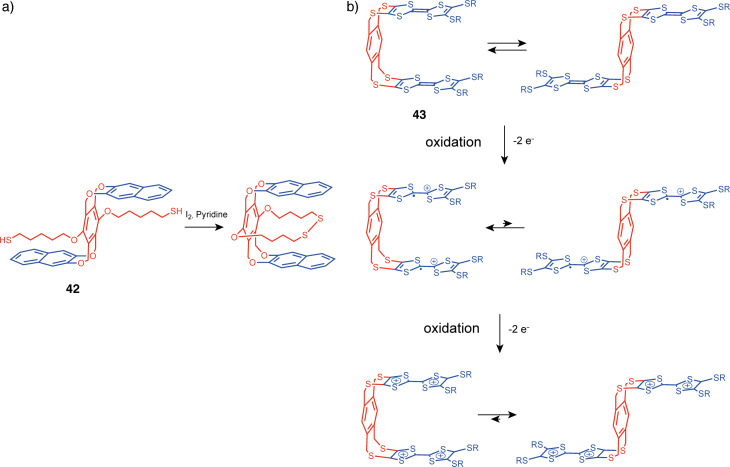
a) Conformational switching of 42 by intramolecular –S–S– bridge formation. b) Shift of conformational equilibrium of tweezers 43 by oxidation.
Figure 24
Figure 24
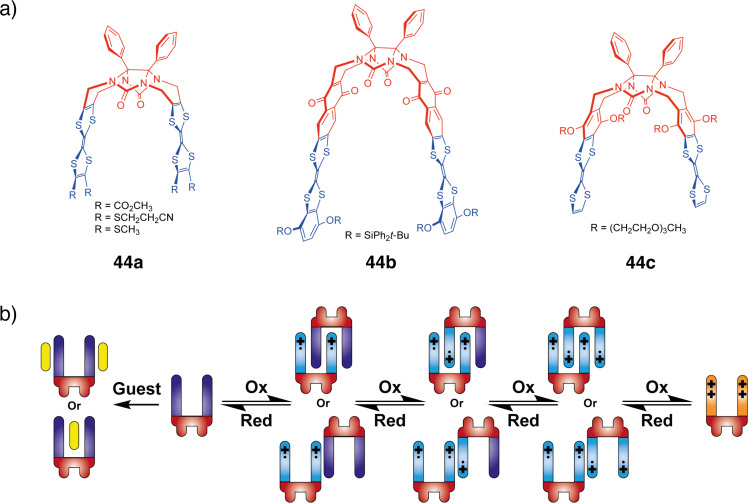
a) Redox-active glycoluril-TTF tweezers 44. b) Mechanism of stepwise oxidation of said tweezers with formation of the dimers.
Figure 25
Figure 25
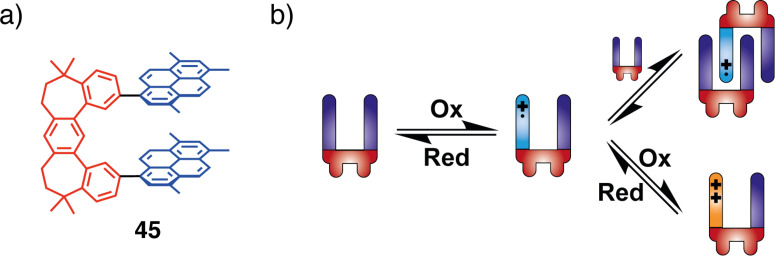
Mechanism of formation of the mixed-valence dimers of tweezers 45.
Figure 26
Figure 26
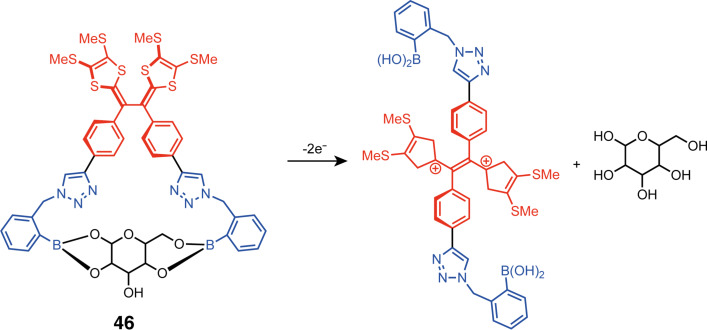
Mechanism of carbohydrate liberation upon redox-mediated conformation switching of 46.
Figure 27
Figure 27
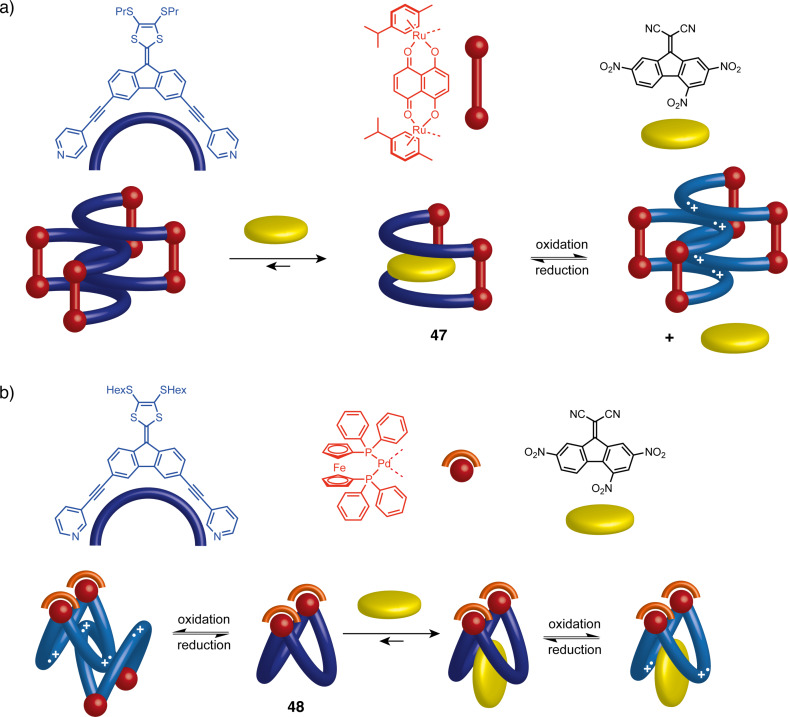
a) The encapsulation properties of 47 as well as the DCTNF release process from its host–guest complex with the concomitant formation of the oxidized dimer. b) The redox behavior and binding properties of 48.
Figure 28
Figure 28
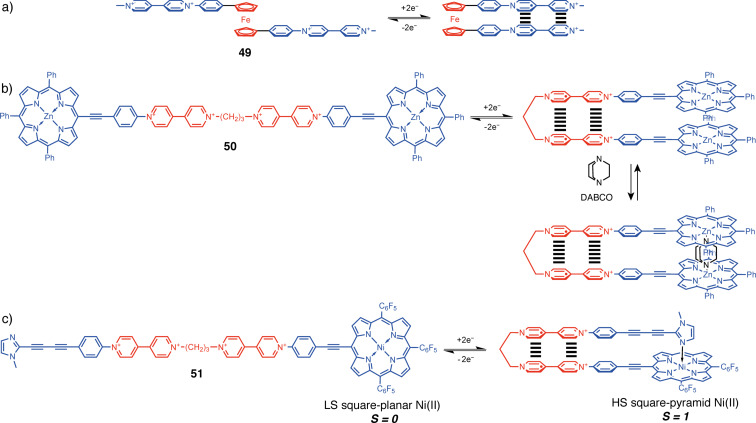
Redox-active bipyridinium-based tweezers. a) With a ferrocenyl hinge 49, b) with a propyl hinge 50 enabling guest binding in the closed form, and c) dissymmetric tweezers 51 displaying spin-crossover response.
Figure 29
Figure 29
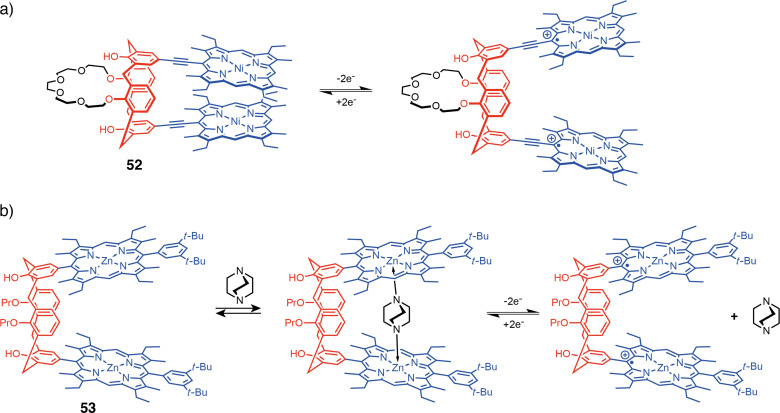
Redox-active calix[4]arene porphyrin molecular tweezers.
Figure 30
Figure 30
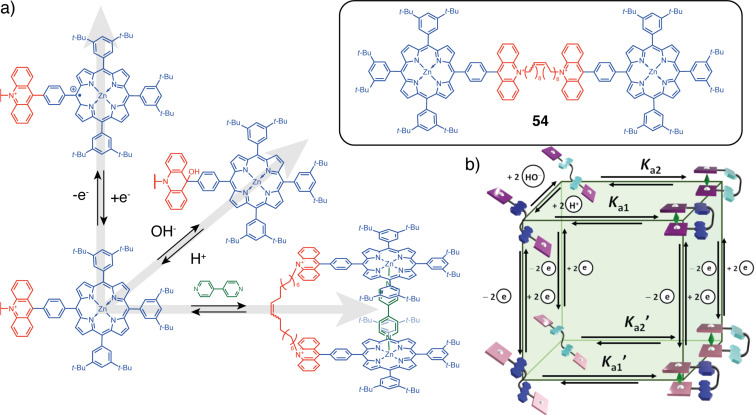
a) Mechanism of the three orthogonal stimuli. b) Cubic scheme showing the eight different states of 54 upon addition of 4,4′-bipy, nucleophiles, and electrons. Figure 30 was reproduced from [110] (© 2023 A. Edo-Osagie et al., published by American Chemical Society, distributed under the terms of the Creative Commons Attribution-NonCommercial-NoDerivs 4.0 International license, https://creativecommons.org/licenses/by-nc-nd/4.0/). This content is not subject to CC BY 4.0.
Figure 31
Figure 31
Redox-controlled molecular gripper based on a diquinone resorcin[4]arene.
Figure 32
Figure 32
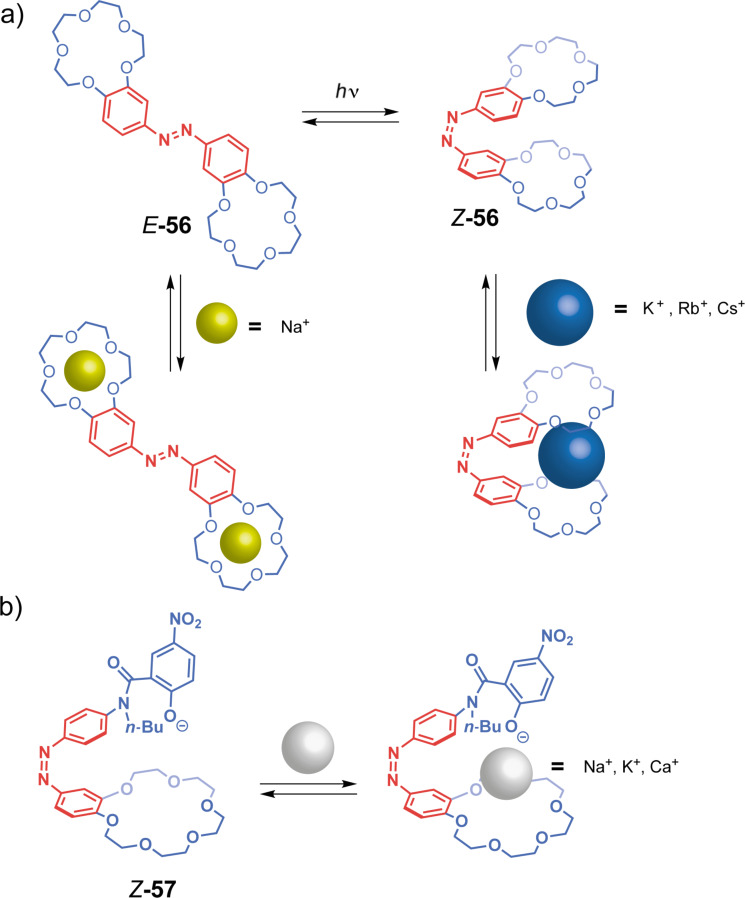
a) Shinkai's butterfly tweezers and their different host–guest properties depending on the isomer. b) Shinkai's dissymmetric tweezers.
Figure 33
Figure 33
Cyclam-tethered tweezers and their different host–guest complexes depending on their configuration.
Figure 34
Figure 34
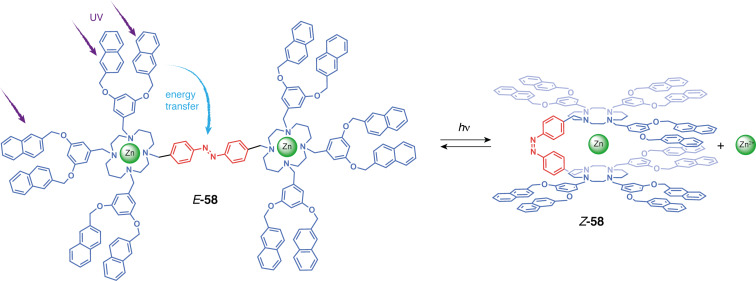
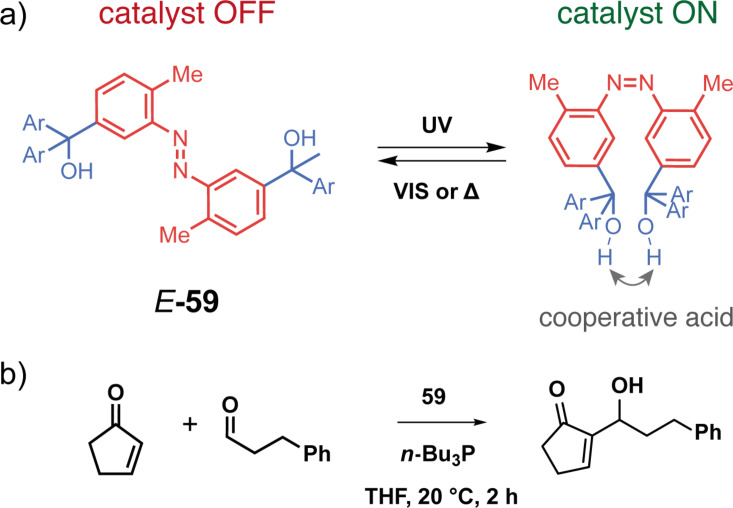
Azobenzene-based catalytic tweezers.
Figure 35
Figure 35
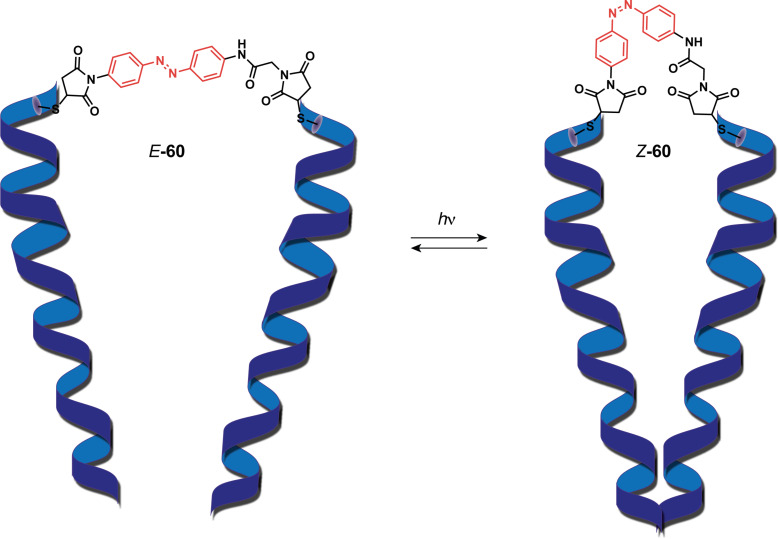
Photoswitchable PIEZO channel mimic.
Figure 36
Figure 36
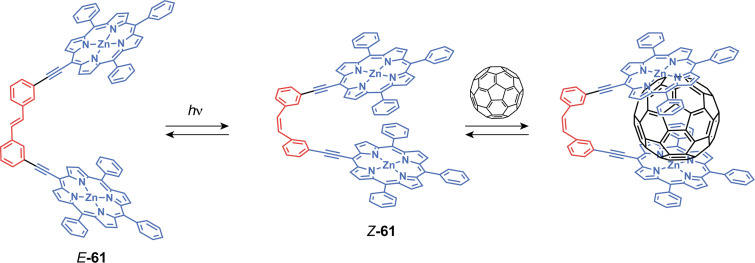
Stilbene-based porphyrin tweezers for fullerene recognition.
Figure 37
Figure 37
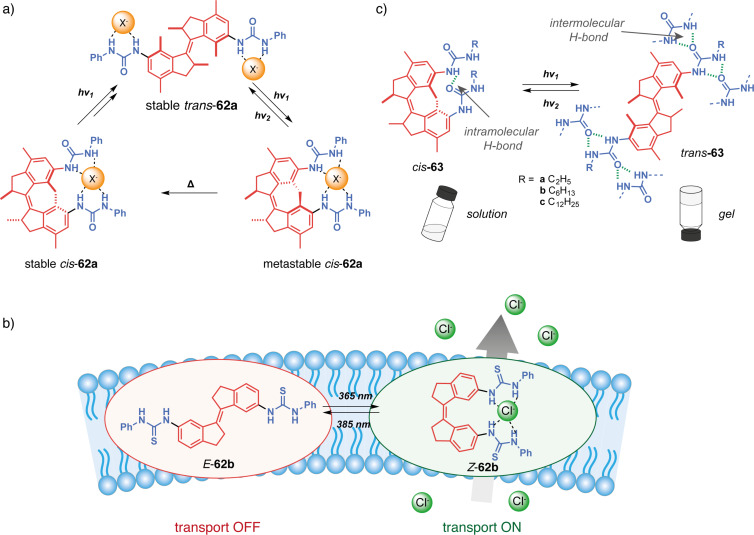
Stiff-stilbene-based tweezers with urea or thiourea functional units for a) anion binding, b) anion transport across membranes, and c) photocontrolled gelation.
Figure 38
Figure 38
Feringa’s photoswitchable organocatalyst (a) and different catalyzed reactions with that system (b).
Figure 39
Figure 39
a) Irie and Takeshita’s thioindigo-based molecular tweezers. b) Family of hemithioindigo-based molecular tweezers in their closed conformation developed by Dube. c) Mechanism of photoswitching of HTI tweezers and example of guest.
Figure 40
Figure 40
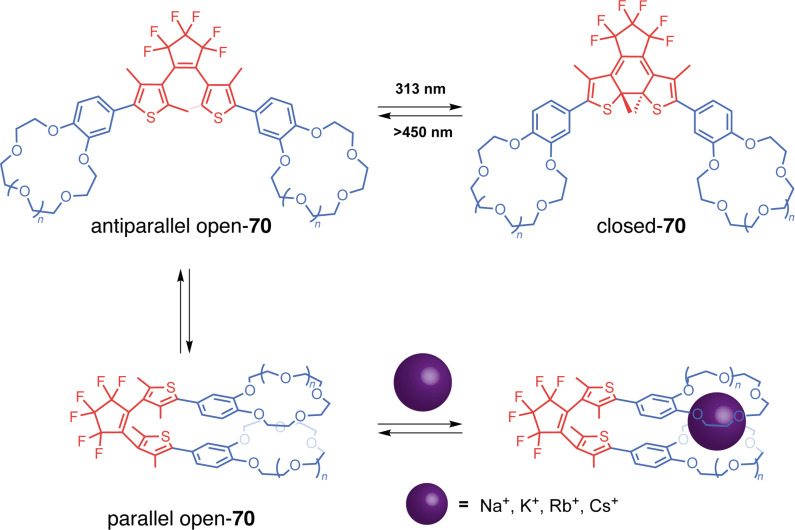
Dithienylethylene crown ether-bearing molecular tweezers reported by Irie and co-workers.

Similar articles

Cited by

References

    1. Chen C W, Whitlock H W., Jr J Am Chem Soc. 1978;100(15):4921–4922. doi: 10.1021/ja00483a063. - DOI
    1. Klärner F-G, Kahlert B. Acc Chem Res. 2003;36:919–932. doi: 10.1021/ar0200448. - DOI - PubMed
    1. Talbiersky P, Bastkowski F, Klärner F-G, Schrader T. J Am Chem Soc. 2008;130(30):9824–9828. doi: 10.1021/ja801441j. - DOI - PubMed
    1. Klärner F-G, Schrader T. Acc Chem Res. 2013;46:967–978. doi: 10.1021/ar300061c. - DOI - PubMed
    1. Rebek J, Jr, Askew B, Islam N, Killoran M, Nemeth D, Wolak R. J Am Chem Soc. 1985;107:6736–6738. doi: 10.1021/ja00309a067. - DOI

LinkOut - more resources