


Acceptability and feasibility of long-term, real-time electronic adherence monitoring of HIV pre-exposure prophylaxis (PrEP) use among young women in Kenya: A mixed methods study
- PMID: 38451884
- PMCID: PMC10919630
- DOI: 10.1371/journal.pone.0299168
Acceptability and feasibility of long-term, real-time electronic adherence monitoring of HIV pre-exposure prophylaxis (PrEP) use among young women in Kenya: A mixed methods study
Abstract
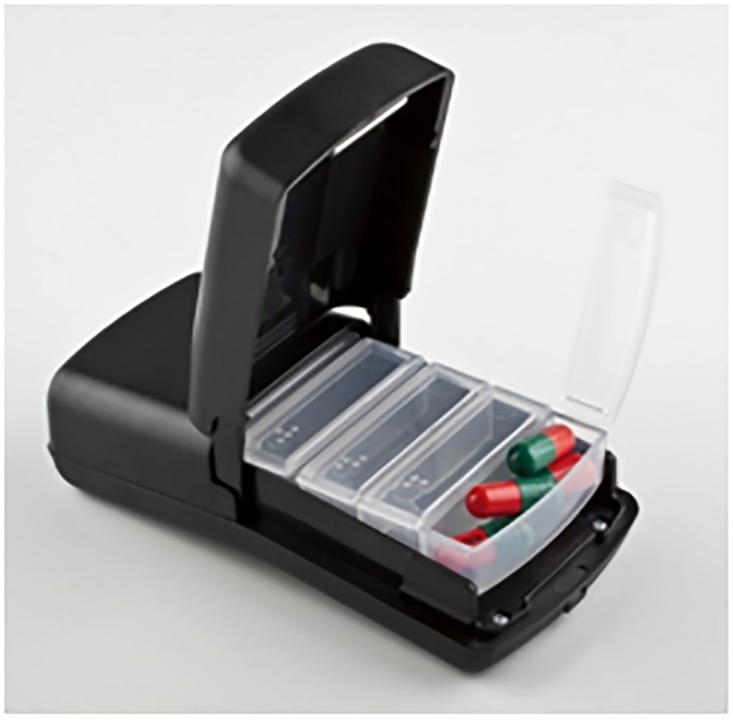
Real-time electronic adherence monitoring involves "smart" pill boxes that record and monitor openings as a proxy for pill taking and may be useful in understanding and supporting PrEP use; however, acceptability and/or feasibility for PrEP users is uncertain. We sought to understand the experiences of using a real-time electronic adherence monitor for PrEP delivery among young women in Kisumu and Thika, Kenya. We used the Wisepill device to monitor PrEP use among 18-24-year-old women for two years. Half of the participants were randomized to also receive SMS adherence reminders (daily or as needed for missed doses). We assessed acceptability quantitatively and qualitatively according to the four constructs of Unified Theory of Acceptance and Use of Technology (UTAUT): performance expectancy, effort expectancy, social influence, and facilitating conditions. We assessed feasibility by monitor functionality during periods of PrEP use. We analyzed quantitative data descriptively and compared by site and over time; qualitative data were analyzed inductively and deductively. The median age was 21 years (IQR 19-22), median education was 12 years (IQR 10-13), 182 (53%) had disclosed PrEP use, and 55 (16%) reported recent intimate partner violence. Most participants reported high levels of usefulness and high interest in using the monitor with few problems or worries reported throughout follow-up. Feasibility was high overall with some differences by site (96% functional monitor days in Kisumu vs 88% in Thika). Few monitors were reported lost (N = 29; 8%) or dysfunctional (N = 11; 3%). In qualitative interviews, electronic monitoring was perceived as useful because it supported privacy, confidentiality, easy storage, and PrEP adherence. Effort was generally considered low. Participants expressed some concern for stigma from monitor and/or PrEP use. Facilitating conditions involved the monitor size, color, and battery life. Overall, real-time electronic adherence monitoring was a highly acceptable and feasible approach to understand PrEP adherence among young women in a sub-Saharan African setting.
Copyright: © 2024 Ogello et al. This is an open access article distributed under the terms of the Creative Commons Attribution License, which permits unrestricted use, distribution, and reproduction in any medium, provided the original author and source are credited.
Conflict of interest statement
I have read the journal’s policy and the authors of this manuscript have the following competing;JMB is currently an employee of Gilead Sciences, outside of the present work. JEH reports consultation fees from Merck and stock ownership in Natera. KN has received research funds from Merck (MSD) and speaker fees from Gilead. EAB reports scientific advisory engagement fees and research support from Merck(MSD). The other authors declare no conflicts of interest. This does not alter our adherence to PLOS ONE policies on sharing data and materials.
Figures

References
-
- CDC, “PrEP Effectiveness | PrEP | HIV Basics | HIV/AIDS | CDC.” 2020, [Online]. https://www.cdc.gov/hiv/basics/prep/prep-effectiveness.html.
-
- Celum C. et al., “PrEP uptake, persistence, adherence, and effect of retrospective drug level feedback on PrEP adherence among young women in southern Africa: Results from HPTN 082, a randomized controlled trial,” PLoS Medicine, vol. 18, no. 6. 2021, doi: 10.1371/journal.pmed.1003670 - DOI - PMC - PubMed
Publication types
MeSH terms
Substances
Grants and funding
LinkOut - more resources
Full Text Sources
Medical
Miscellaneous
