


Learning structural heterogeneity from cryo-electron sub-tomograms with tomoDRGN
- PMID: 38459385
- PMCID: PMC11655136
- DOI: 10.1038/s41592-024-02210-z
Learning structural heterogeneity from cryo-electron sub-tomograms with tomoDRGN
Abstract
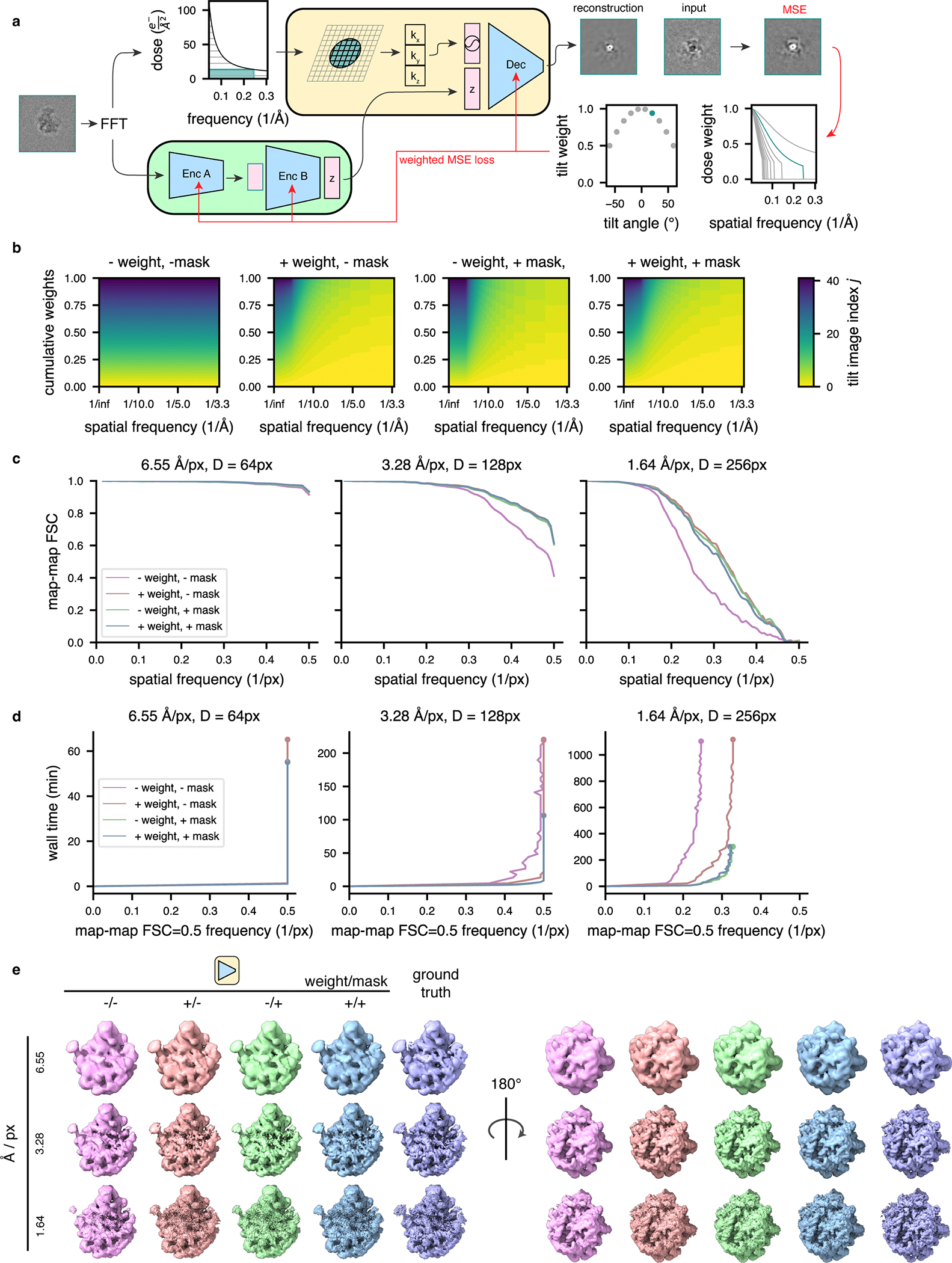
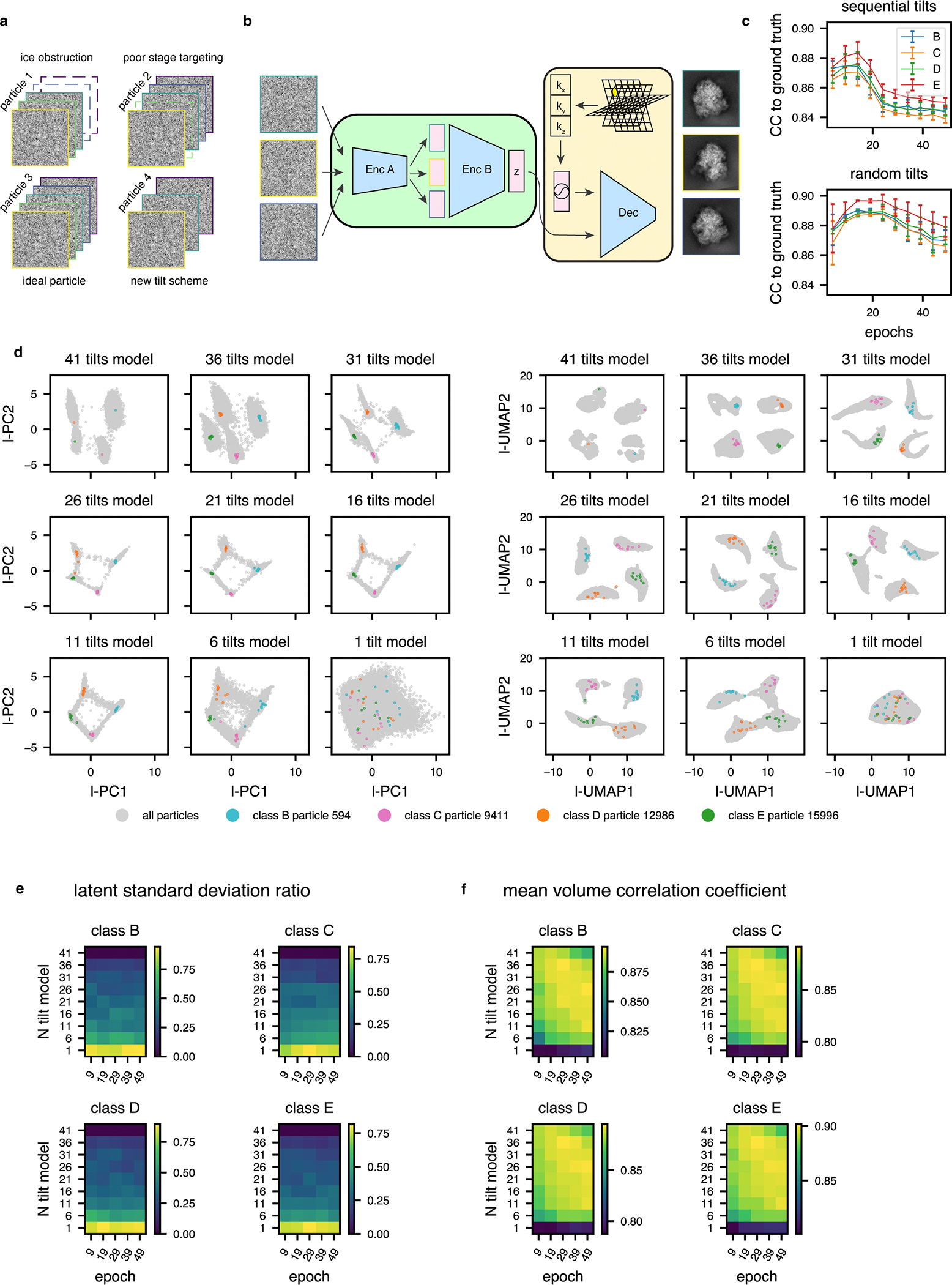
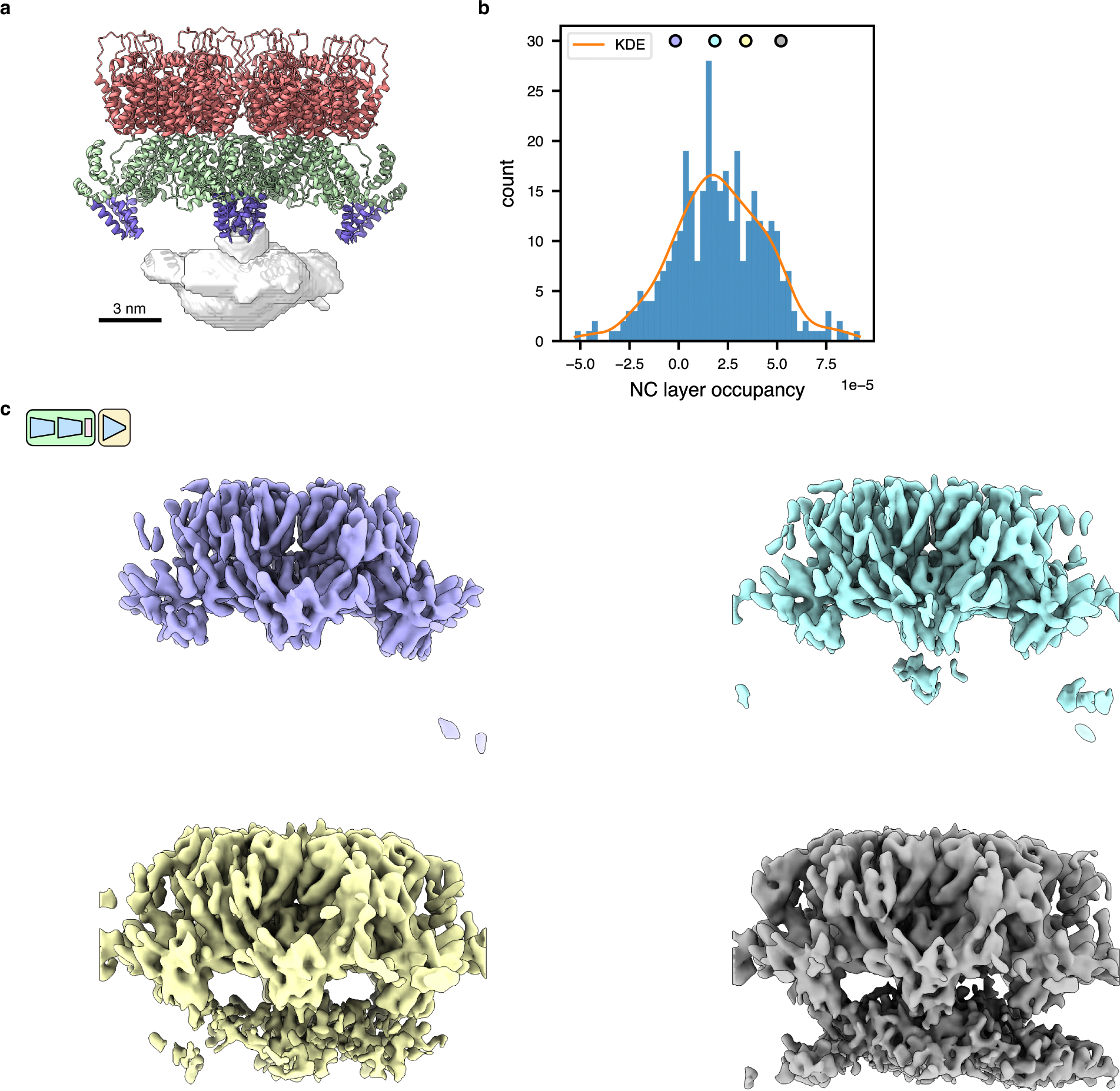
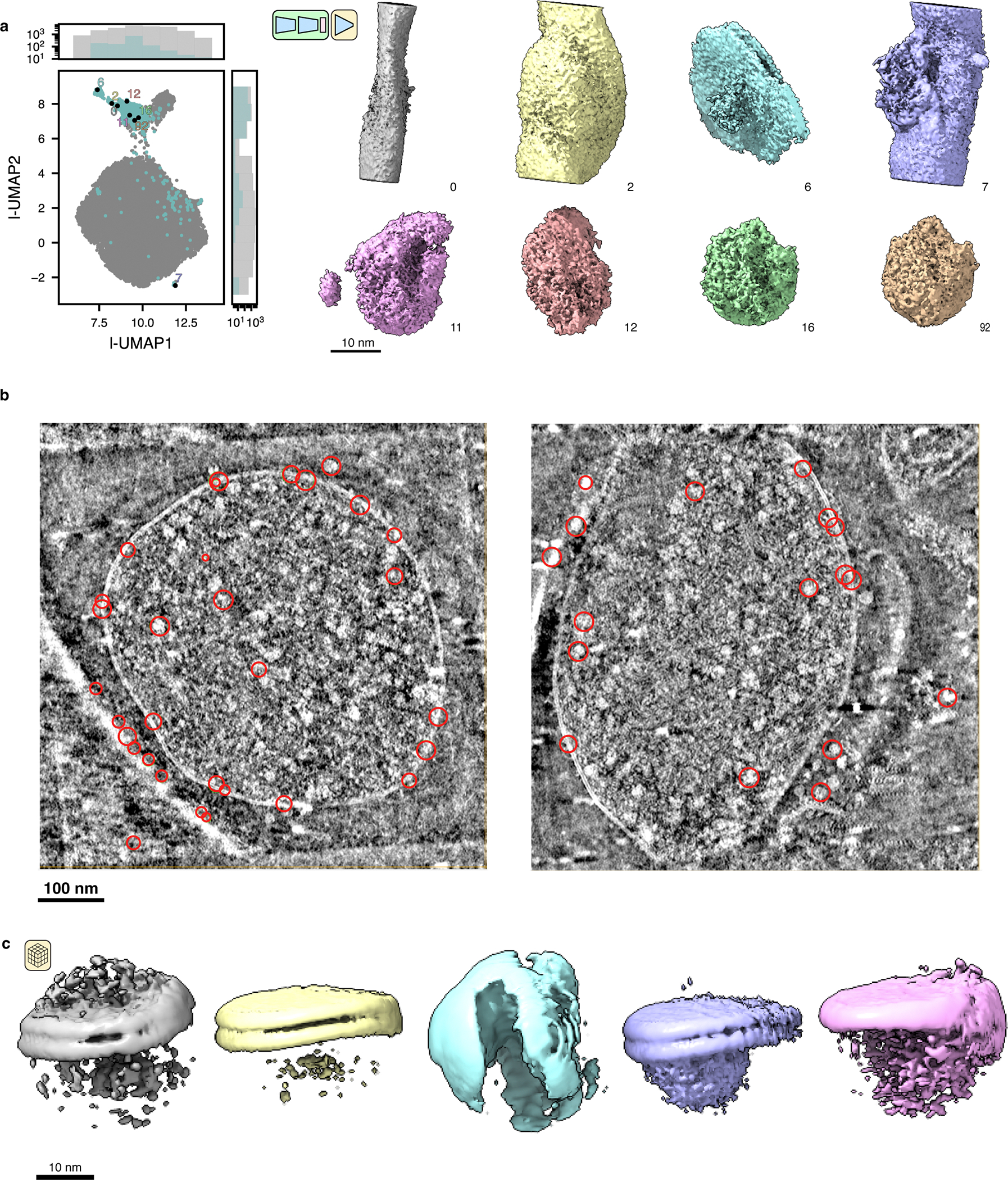
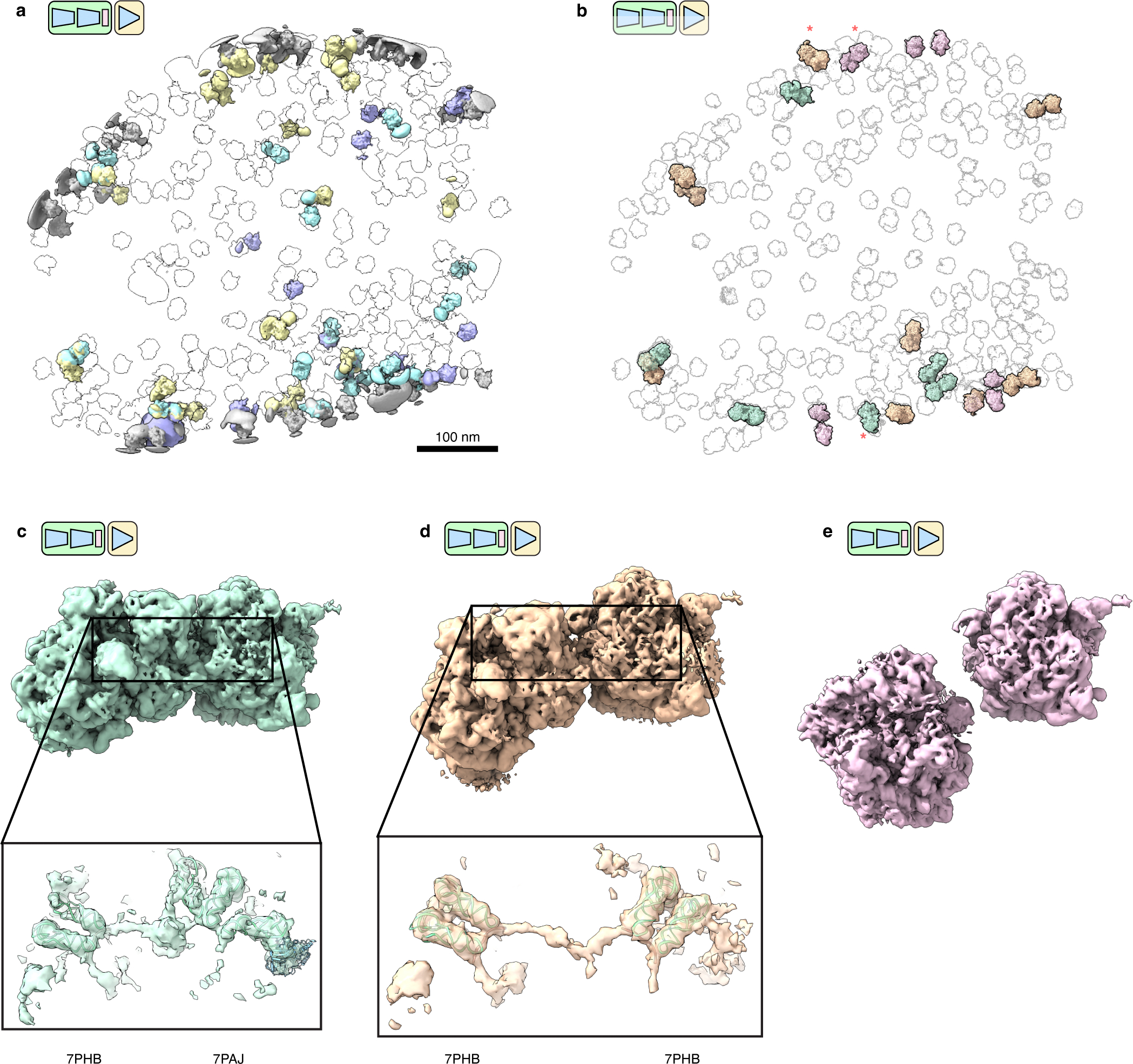
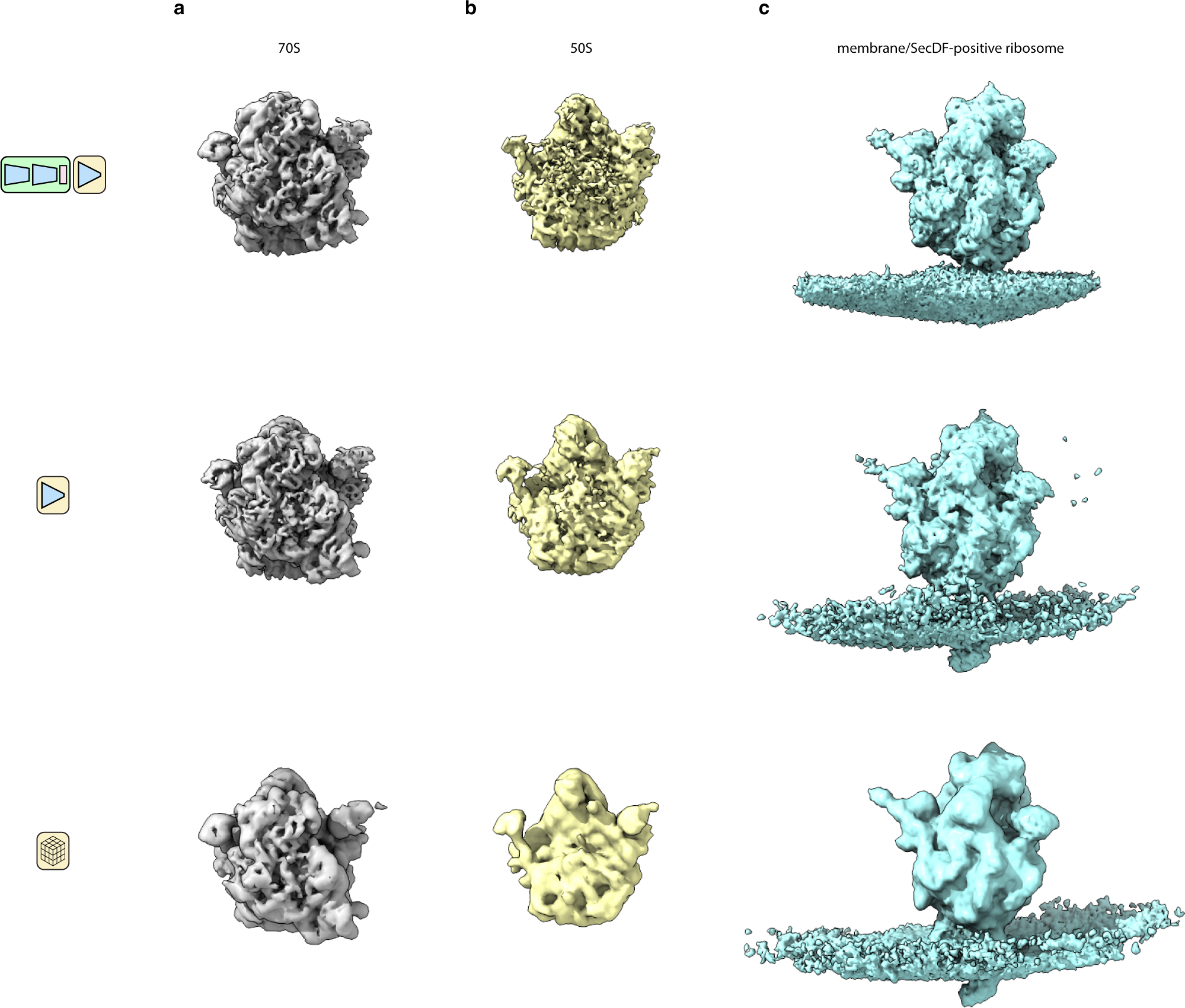
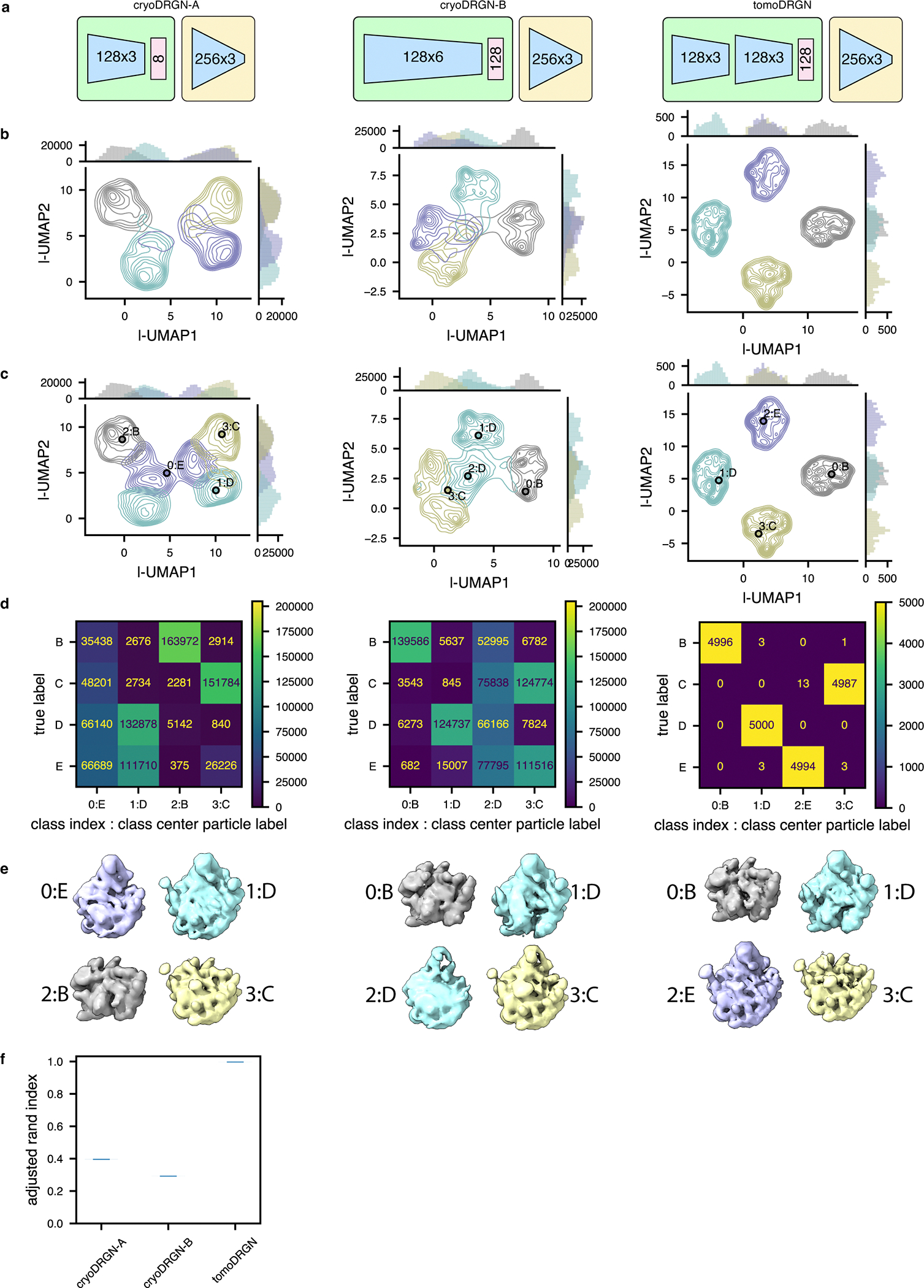
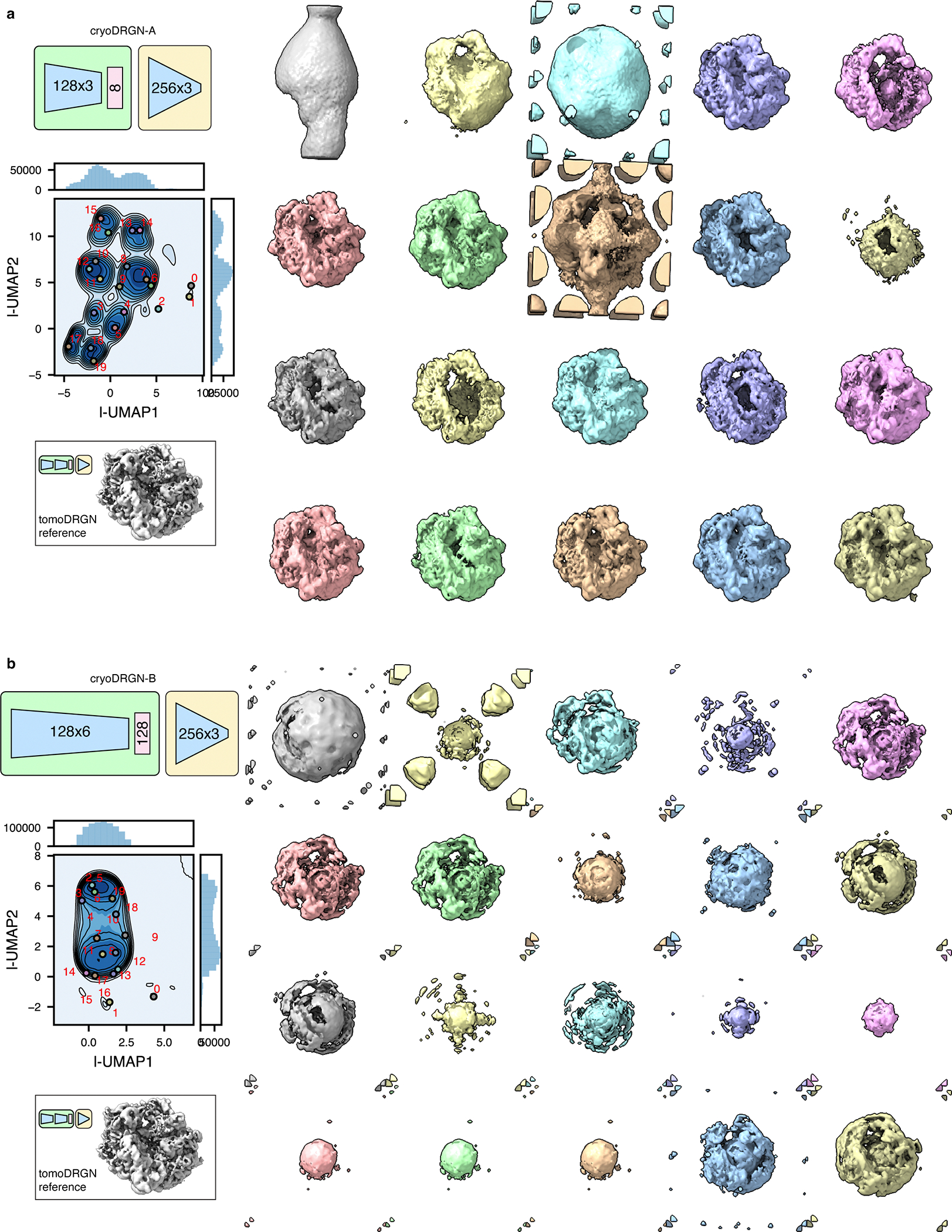
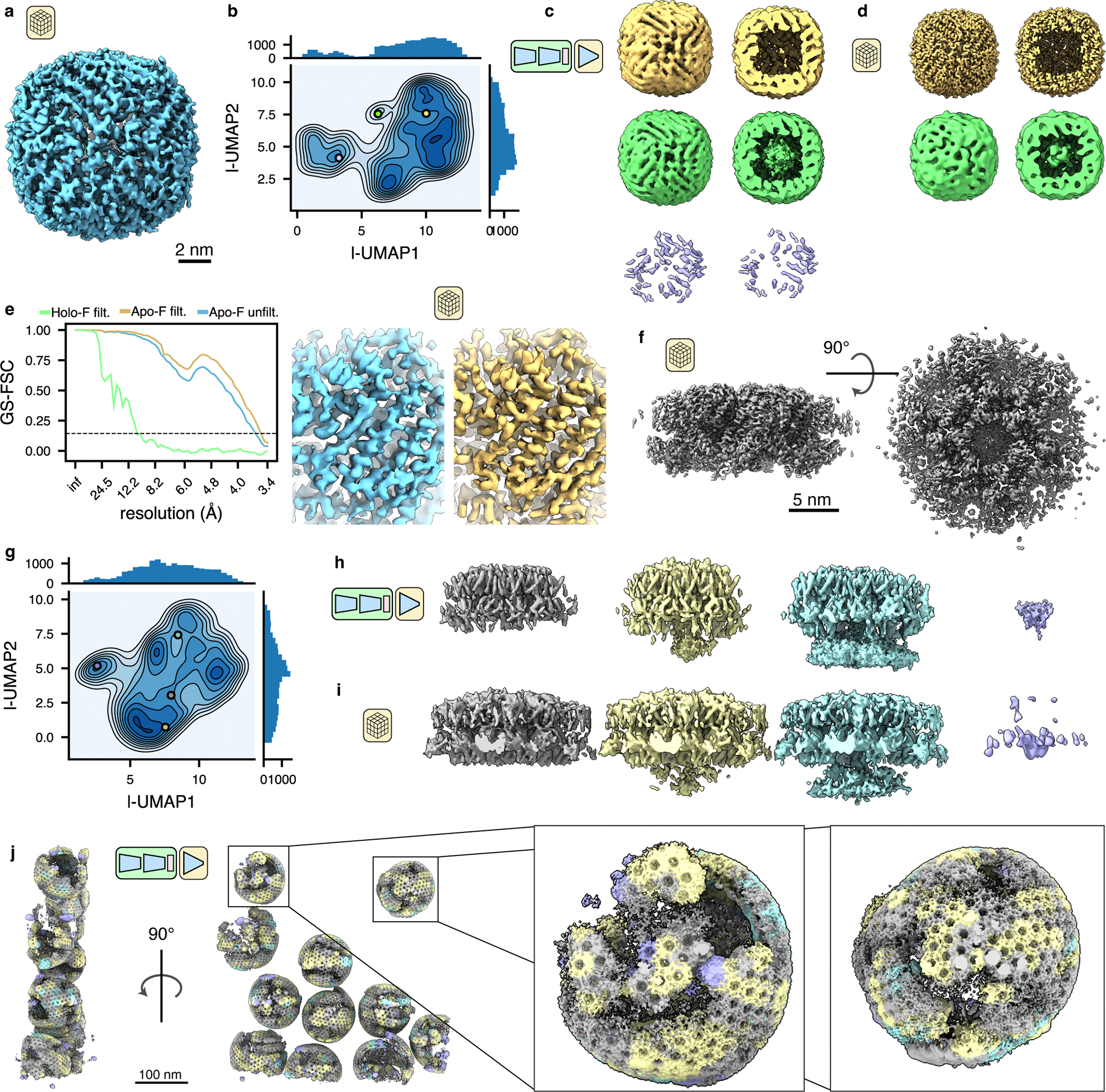
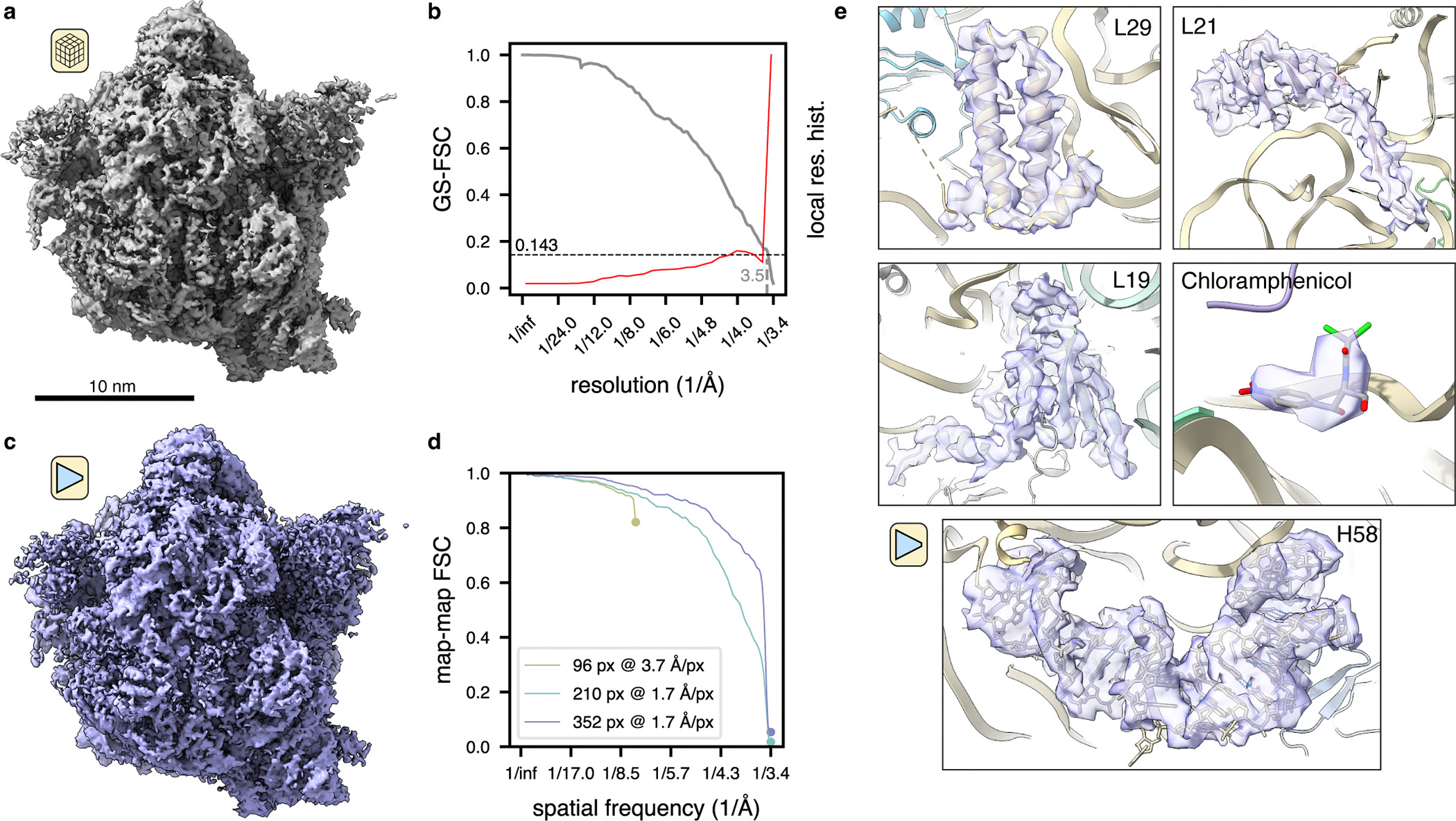
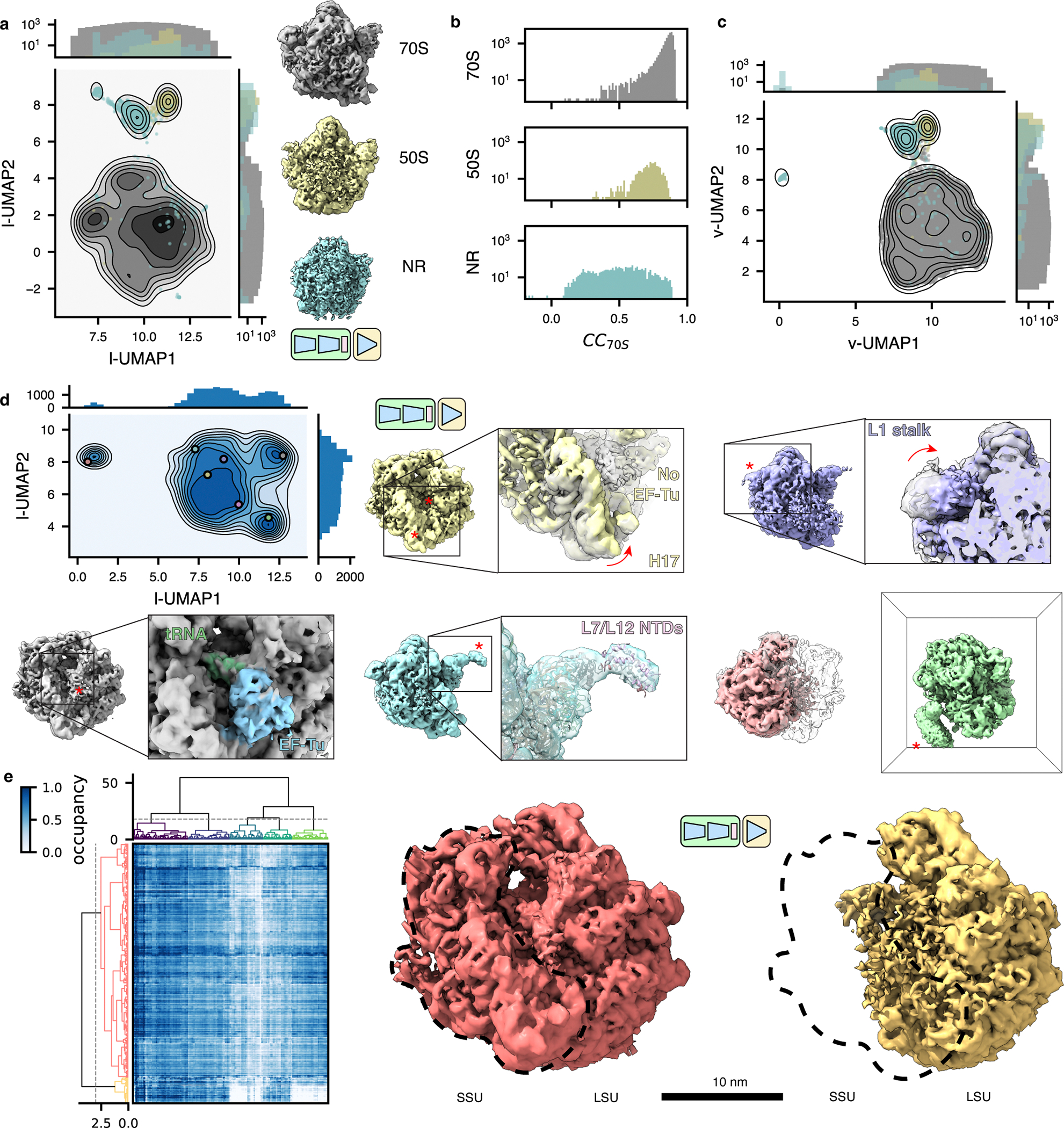
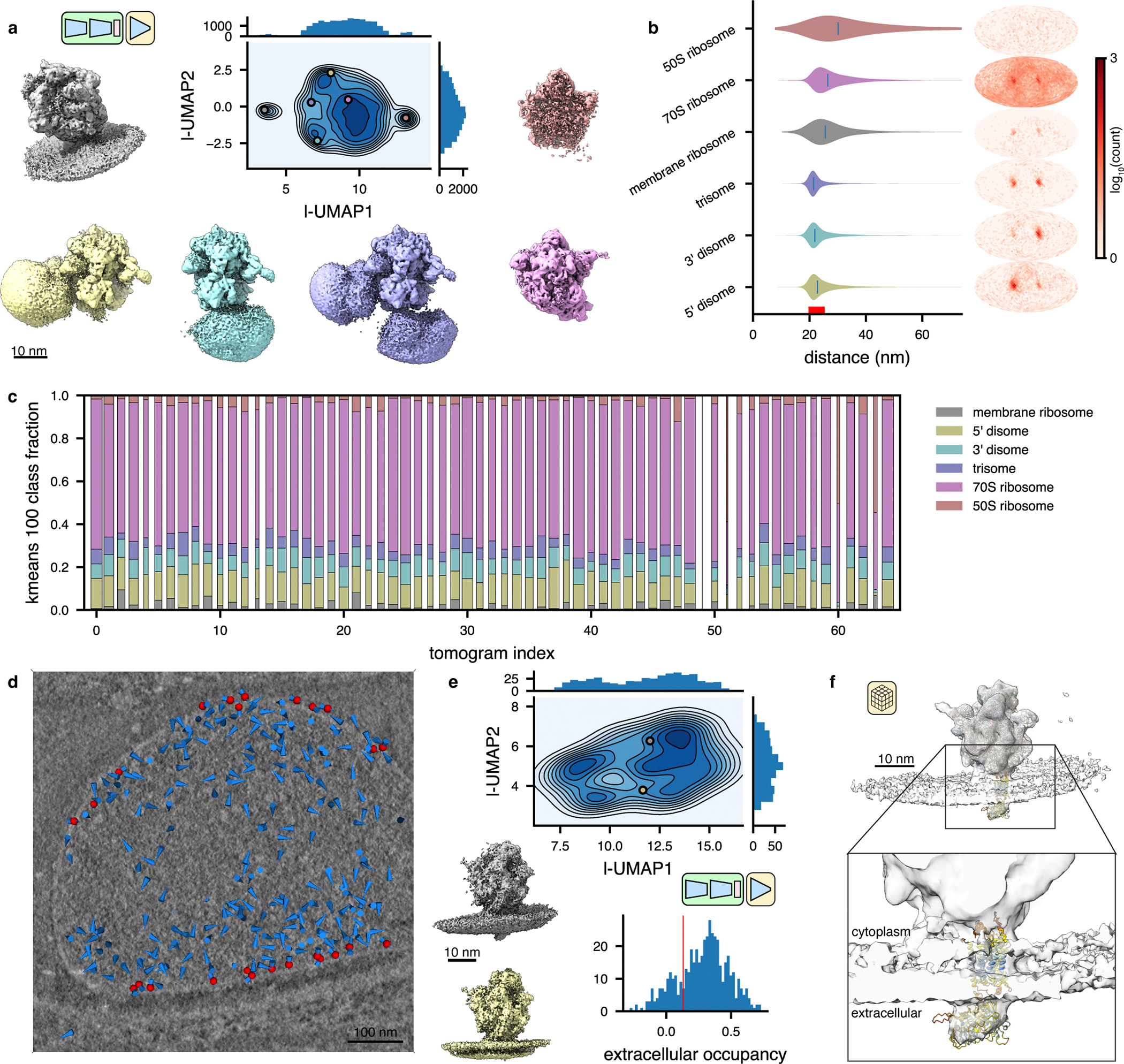
Cryo-electron tomography (cryo-ET) enables observation of macromolecular complexes in their native, spatially contextualized cellular environment. Cryo-ET processing software to visualize such complexes at nanometer resolution via iterative alignment and averaging are well developed but rely upon assumptions of structural homogeneity among the complexes of interest. Recently developed tools allow for some assessment of structural diversity but have limited capacity to represent highly heterogeneous structures, including those undergoing continuous conformational changes. Here we extend the highly expressive cryoDRGN (Deep Reconstructing Generative Networks) deep learning architecture, originally created for single-particle cryo-electron microscopy analysis, to cryo-ET. Our new tool, tomoDRGN, learns a continuous low-dimensional representation of structural heterogeneity in cryo-ET datasets while also learning to reconstruct heterogeneous structural ensembles supported by the underlying data. Using simulated and experimental data, we describe and benchmark architectural choices within tomoDRGN that are uniquely necessitated and enabled by cryo-ET. We additionally illustrate tomoDRGN's efficacy in analyzing diverse datasets, using it to reveal high-level organization of human immunodeficiency virus (HIV) capsid complexes assembled in virus-like particles and to resolve extensive structural heterogeneity among ribosomes imaged in situ.
© 2024. The Author(s), under exclusive licence to Springer Nature America, Inc.
Conflict of interest statement
COMPETING INTERESTS STATEMENT
The authors declare no competing interests.
Figures
Update of
-
Learning structural heterogeneity from cryo-electron sub-tomograms with tomoDRGN.bioRxiv [Preprint]. 2023 Jun 2:2023.05.31.542975. doi: 10.1101/2023.05.31.542975. bioRxiv. 2023. Update in: Nat Methods. 2024 Aug;21(8):1525-1536. doi: 10.1038/s41592-024-02210-z. PMID: 37398315 Free PMC article. Updated. Preprint.
References
-
- Bai XC, McMullan G & Scheres SH How cryo-EM is revolutionizing structural biology. Trends Biochem Sci 40, 49–57 (2015). - PubMed
-
- Murata K & Wolf M Cryo-electron microscopy for structural analysis of dynamic biological macromolecules. Biochim Biophys Acta Gen Subj 1862, 324–334 (2018). - PubMed
-
- Punjani A & Fleet DJ 3D variability analysis: Resolving continuous flexibility and discrete heterogeneity from single particle cryo-EM. J Struct Biol 213, 107702 (2021). - PubMed
MeSH terms
Grants and funding
- R01-GM144542/U.S. Department of Health & Human Services | NIH | National Institute of General Medical Sciences (NIGMS)
- 2046778/National Science Foundation (NSF)
- R01 GM144542/GM/NIGMS NIH HHS/United States
- 5T32-GM007287/U.S. Department of Health & Human Services | NIH | National Institute of General Medical Sciences (NIGMS)
- T32 GM007287/GM/NIGMS NIH HHS/United States
LinkOut - more resources
Full Text Sources
