


Endocrine disrupting chemicals in Italian drinking water systems: Insights from a three-year investigation combining chemical and effect-based tools
- PMID: 38463797
- PMCID: PMC10920174
- DOI: 10.1016/j.heliyon.2024.e26785
Endocrine disrupting chemicals in Italian drinking water systems: Insights from a three-year investigation combining chemical and effect-based tools
Abstract
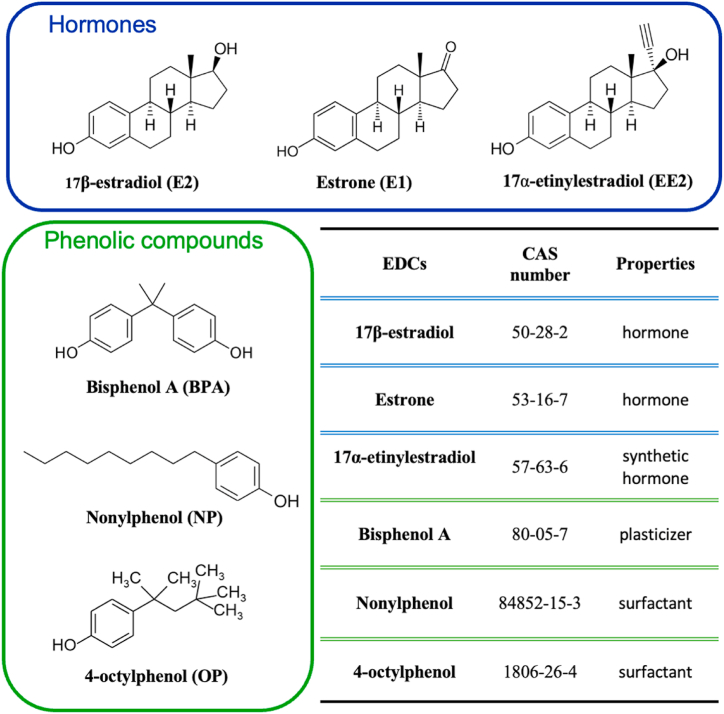
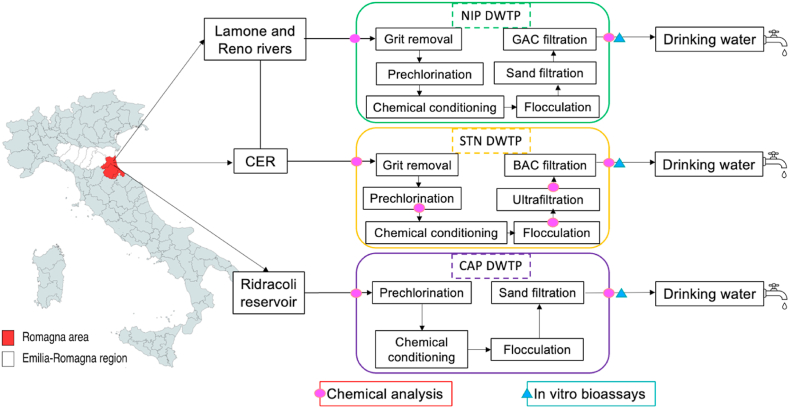
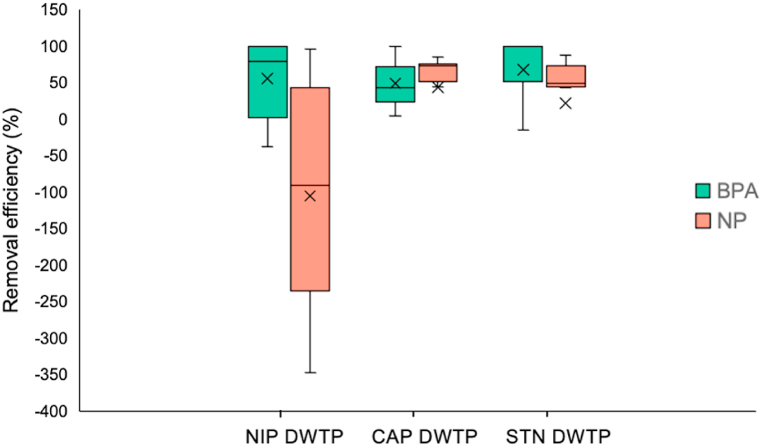
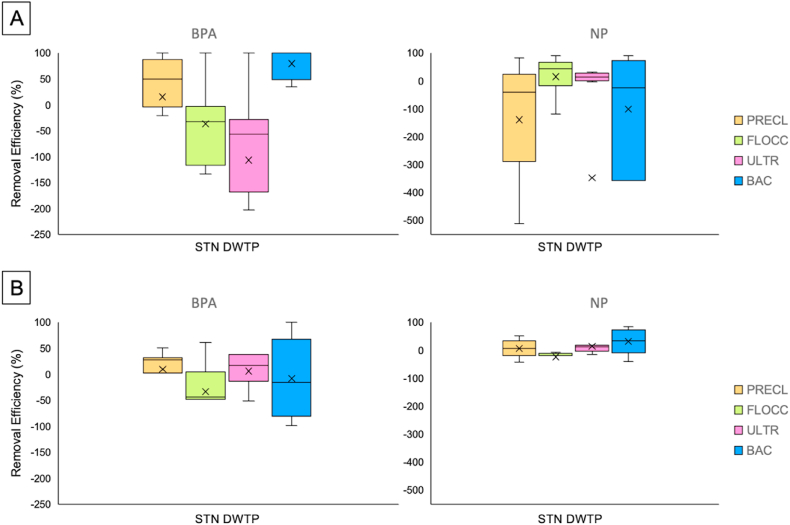
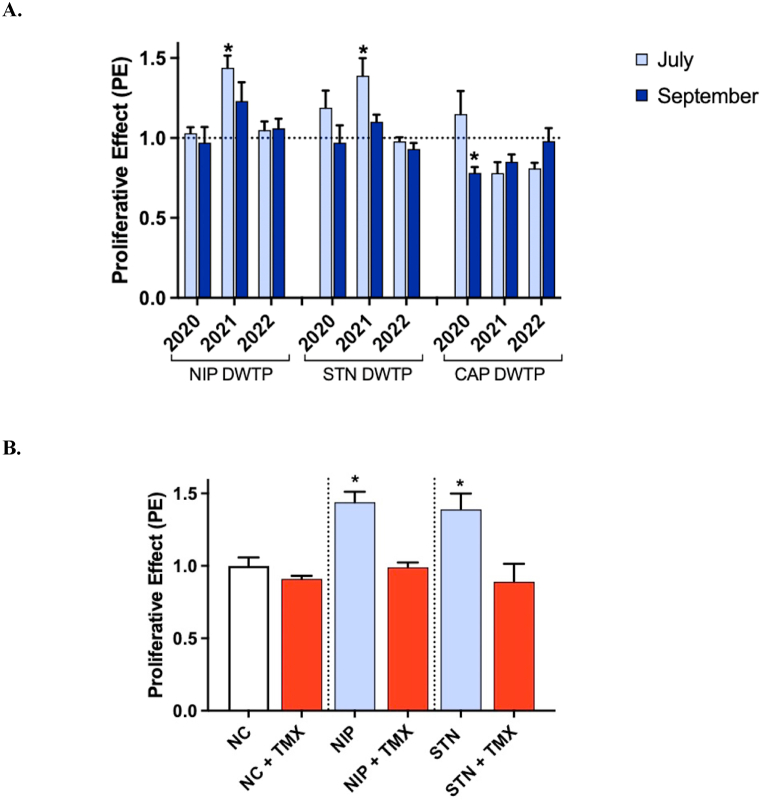
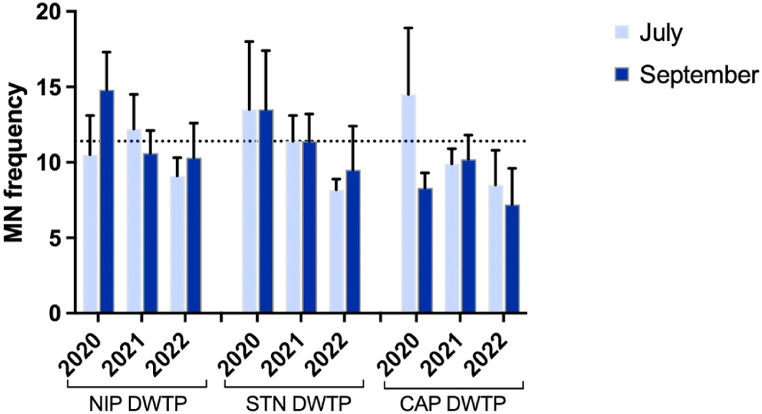
Drinking water quality can be compromised by endocrine-disrupting chemicals (EDCs). Three phenolic compounds [bisphenol A (BPA), nonylphenol (NP), and 4-octylphenol (OP)] and three hormones [17β-estradiol (E2), estrone (E1), and 17α-ethinylestradiol (EE2)] were analyzed as EDCs potentially occurring in source and drinking water from three full-scale drinking water treatment plants (DWTPs) in the Romagna area (Italy) by a combined approach of HPLC-MS/MS target analysis and effect-based tests for estrogenicity and genotoxicity. The EDC removal efficiency was evaluated at different steps along the treatment process in the most advanced DWTP. NP prevailed in all samples, followed by BPA. Sporadic contamination by OP and E1/E2 appeared only in the source waters; EE2 was never detected. No estrogenic or genotoxic activity was found, except for two samples showing estrogenicity well below the effect-based trigger value suggested for drinking water safety (0.9 ng/L EEQ). BPA and NP levels were largely below the threshold value; however, increases were observed after the intermediate steps of the treatment chain. The good quality of the water relied on the last step, i.e. the activated carbon filtration. DWTPs may represent an extra source of EDCs and monitoring chemical occurrence at all steps of the process is advisable to improve efficiency.
Keywords: Drinking water; Effect-based methods; Endocrine-disrupting chemicals (EDCs); HPLC/MS-MS; Water treatment efficiency.
© 2024 The Authors.
Conflict of interest statement
The authors declare that they have no known competing financial interests or personal relationships that could have appeared to influence the work reported in this paper.
Figures

References
-
- De Jager C., Aneck-Hahn N., Swart P., Truebody B., Van Zijl M. Water Research Commission; 2013. Estrogenic Activity and Endocrine Disrupting Chemical (EDC) Status in Water Obtained from Selected Distribution Points in Pretoria and Cape Town: Report to the Water Research Commission (Report No. KV 317/13) Gezina (South Africa)
LinkOut - more resources
Full Text Sources
Research Materials
Miscellaneous
