


Reciprocal regulation of SIRT1 and AMPK by Ginsenoside compound K impedes the conversion from plasma cells to mitigate for podocyte injury in MRL/ lpr mice in a B cell-specific manner
- PMID: 38465215
- PMCID: PMC10920007
- DOI: 10.1016/j.jgr.2023.11.006
Reciprocal regulation of SIRT1 and AMPK by Ginsenoside compound K impedes the conversion from plasma cells to mitigate for podocyte injury in MRL/ lpr mice in a B cell-specific manner
Erratum in
-
Corrigendum to 'Reciprocal regulation of SIRT1 and AMPK by Ginsenoside compound K impedes the conversion from plasma cells to mitigate for podocyte injury in MRL/lpr mice in a B cell-specific manner' [J Ginseng Res Volume 48 (2024) 190-201/JGR-D-23-00097].J Ginseng Res. 2025 Mar;49(2):223. doi: 10.1016/j.jgr.2024.12.006. Epub 2024 Dec 21. J Ginseng Res. 2025. PMID: 40061480 Free PMC article.
Abstract
Background: Deposition of immune complexes drives podocyte injury acting in the initial phase of lupus nephritis (LN), a process mediated by B cell involvement. Accordingly, targeting B cell subsets represents a potential therapeutic approach for LN. Ginsenoside compound K (CK), a bioavailable component of ginseng, possesses nephritis benefits in lupus-prone mice; however, the underlying mechanisms involving B cell subpopulations remain elusive.
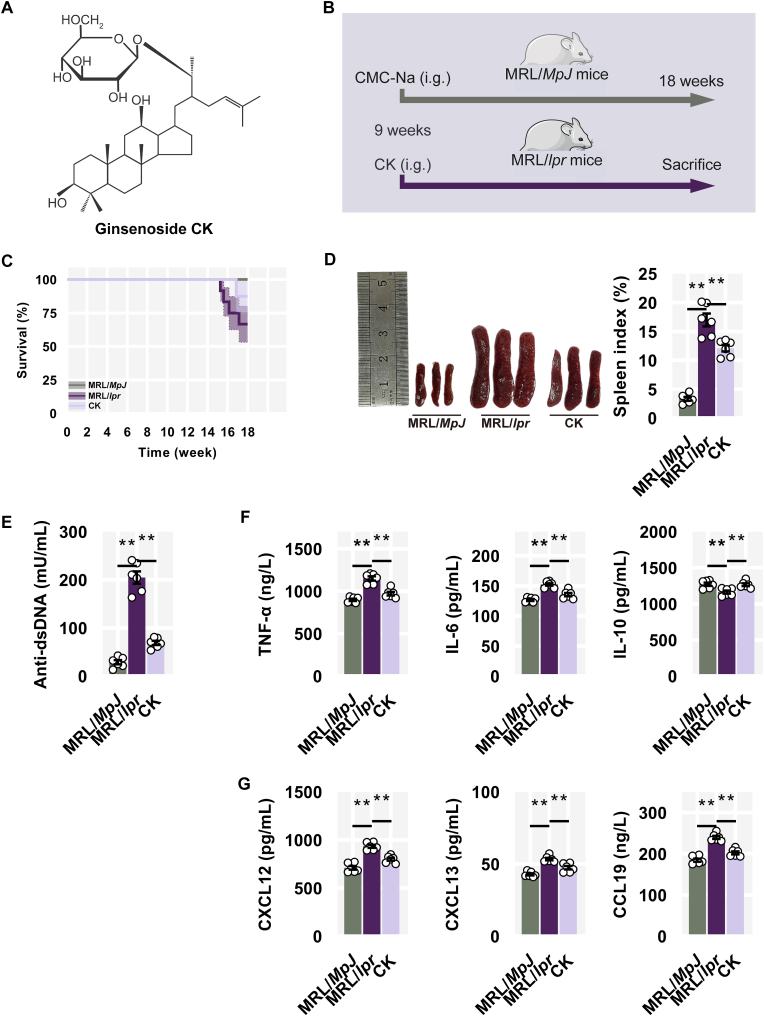
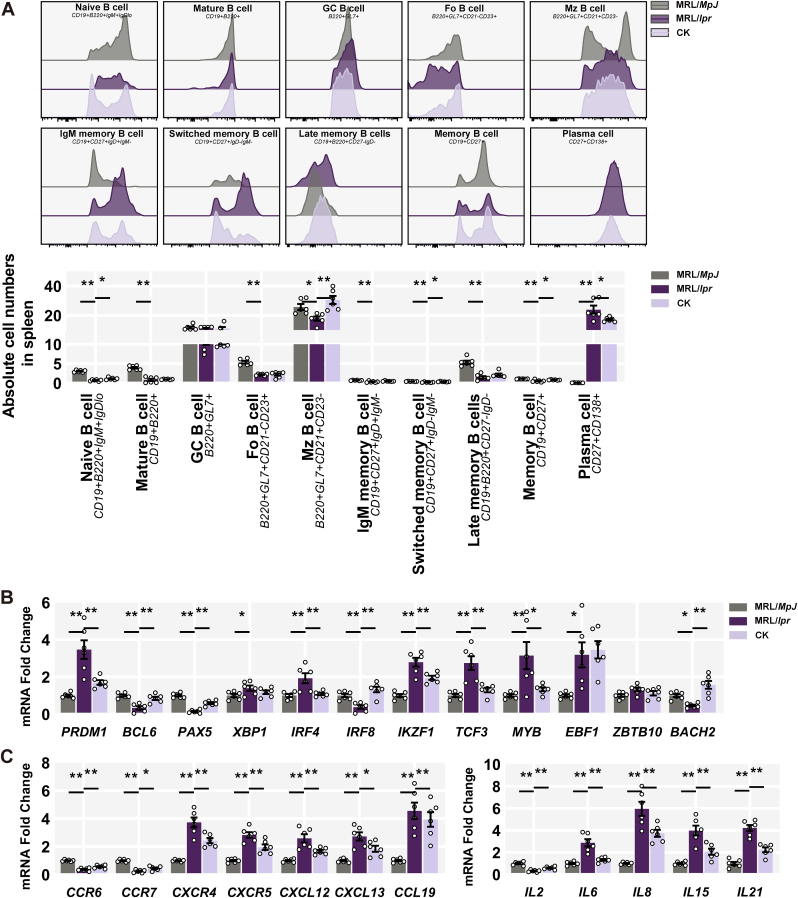
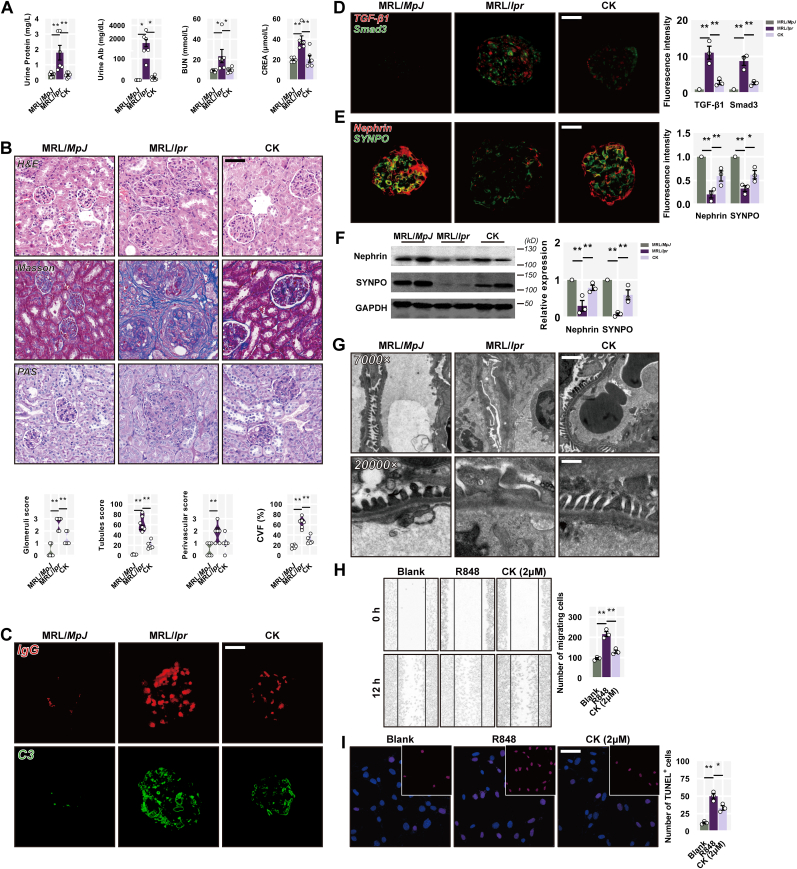
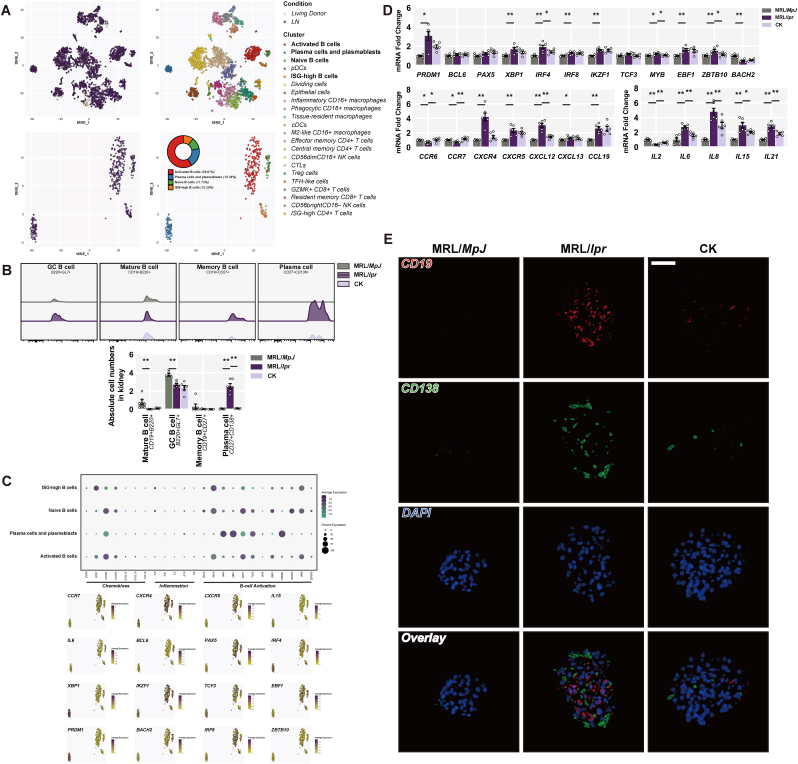
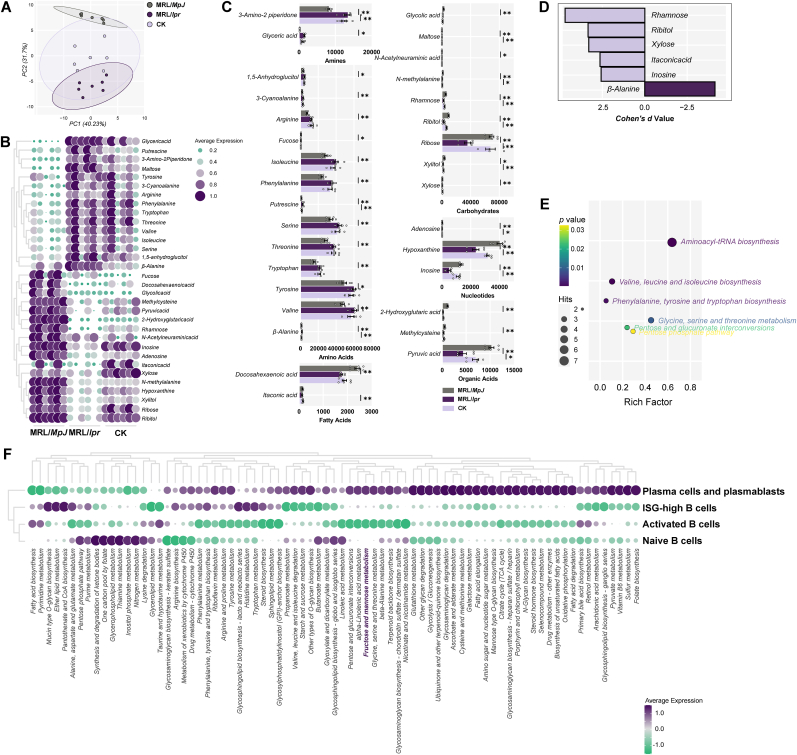
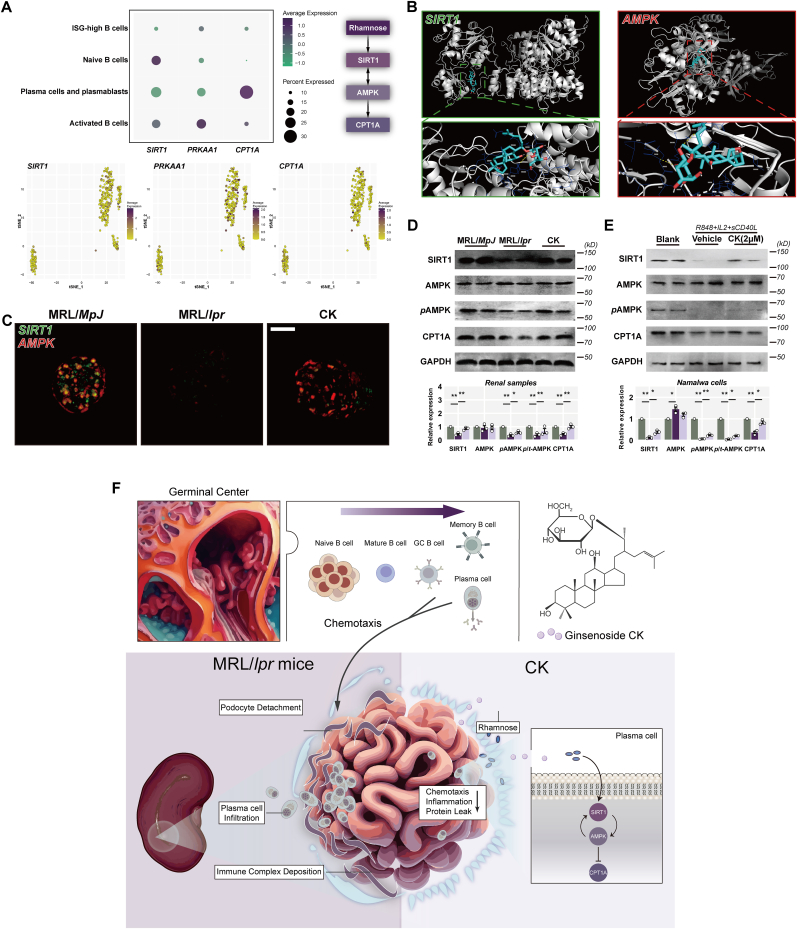
Methods: Female MRL/lpr mice were administered CK (40 mg/kg) intragastrically for 10 weeks, followed by measurements of anti-dsDNA antibodies, inflammatory chemokines, and metabolite profiles on renal samples. Podocyte function and ultrastructure were detected. Publicly available single-cell RNA sequencing data and flow cytometry analysis were employed to investigate B cell subpopulations. Metabolomics analysis was adopted. SIRT1 and AMPK expression were analyzed by immunoblotting and immunofluorescence assays.
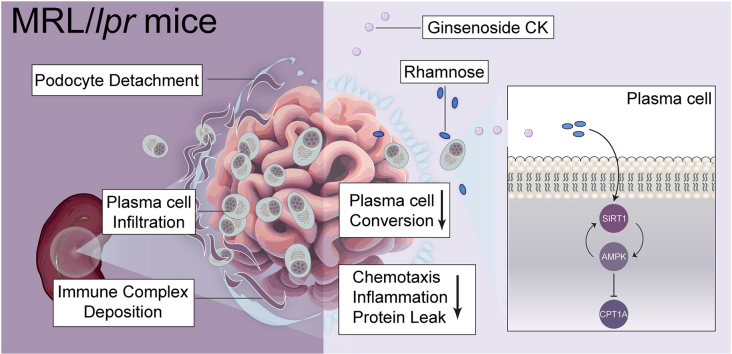
Results: CK reduced proteinuria and protected podocyte ultrastructure in MRL/lpr mice by suppressing circulating anti-dsDNA antibodies and mitigating systemic inflammation. It activated B cell-specific SIRT1 and AMPK with Rhamnose accumulation, hindering the conversion of renal B cells into plasma cells. This cascade facilitated the resolution of local renal inflammation. CK facilitated the clearance of deposited immune complexes, thus reinstating podocyte morphology and mobility by normalizing the expression of nephrin and SYNPO.
Conclusions: Our study reveals the synergistic interplay between SIRT1 and AMPK, orchestrating the restoration of renal B cell subsets. This process effectively mitigates immune complex deposition and preserves podocyte function. Accordingly, CK emerges as a promising therapeutic agent, potentially alleviating the hyperactivity of renal B cell subsets during LN.
Keywords: Ginsenoside CK; Lupus nephritis; Plasma cell; Podocyte.
© 2024 The Korean Society of Ginseng. Publishing services by Elsevier B.V.
Conflict of interest statement
The authors declare that they have no conflicts of interest.
Figures
References
-
- Martin F., Chan A.C. B cell immunobiology in disease: evolving concepts from the clinic. Annu Rev Immunol. 2006;24:467–496. - PubMed
-
- Gregersen J.W., Jayne D.R. B-cell depletion in the treatment of lupus nephritis. Nat Rev Nephrol. 2012;8:505–514. - PubMed
-
- Murphy G., Isenberg D.A. New therapies for systemic lupus erythematosus – past imperfect, future tense. Nat Rev Rheumatol. 2019;15:403–412. - PubMed
LinkOut - more resources
Full Text Sources
Research Materials
