


Transcriptional Changes in Damask Rose Suspension Cell Culture Revealed by RNA Sequencing
- PMID: 38475449
- PMCID: PMC10934739
- DOI: 10.3390/plants13050602
Transcriptional Changes in Damask Rose Suspension Cell Culture Revealed by RNA Sequencing
Abstract
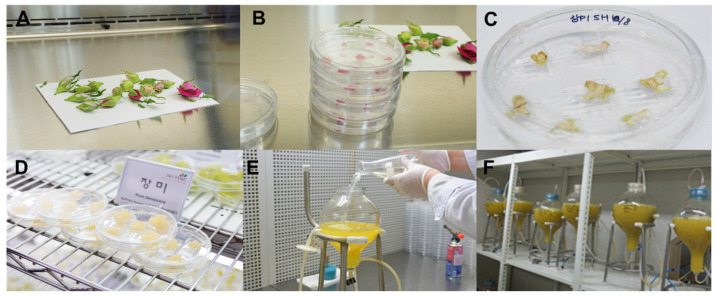
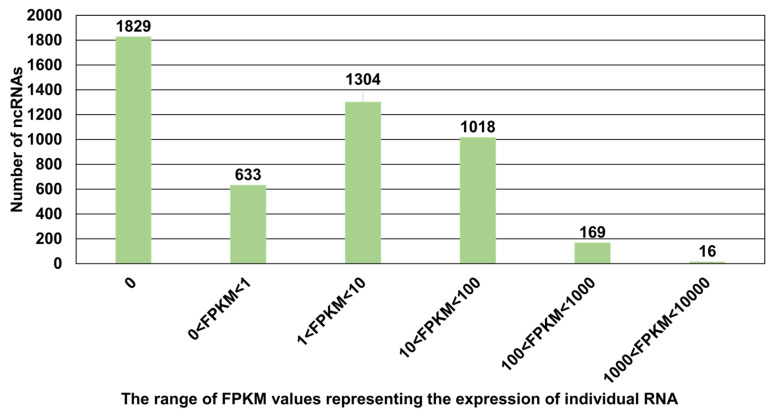
Damask roses (Rosa x damascena) are widely used in cosmetics and pharmaceutics. Here, we established an in vitro suspension cell culture for calli derived from damask rose petals. We analyzed rose suspension cell transcriptomes obtained at two different time points by RNA sequencing to reveal transcriptional changes during rose suspension cell culture. Of the 580 coding RNAs (1.3%) highly expressed in the suspension rose cells, 68 encoded cell wall-associated proteins. However, most RNAs encoded by the chloroplasts and mitochondria are not expressed. Many highly expressed coding RNAs are involved in translation, catalyzing peptide synthesis in ribosomes. Moreover, the amide metabolic process producing naturally occurring alkaloids was the most abundant metabolic process during the propagation of rose suspension cells. During rose cell propagation, coding RNAs involved in the stress response were upregulated at an early stage, while coding RNAs associated with detoxification and transmembrane transport were upregulated at the late stage. We used transcriptome analyses to reveal important biological processes and molecular mechanisms during rose suspension cell culture. Most non-coding (nc) RNAs were not expressed in the rose suspension cells, but a few ncRNAs with unknown functions were highly expressed. The expression of ncRNAs and their target coding RNAs was highly correlated. Taken together, we revealed significant biological processes and molecular mechanisms occurring during rose suspension cell culture using transcriptome analyses.
Keywords: RNA sequencing; callus; rose; suspension cells; transcriptome.
Conflict of interest statement
Authors Soo-Yun Kim, Euihyun Kim, Seung Hye Paek, Jiyeon Kim, Jihyeok Song, Kyoungyeon Heo, Jiae Min, Jeong Hun Lee, and Sang Hyun Moh were employed by the company BIO-FD&C Co., Ltd. The remaining authors declare that the research was conducted in the absence of any commercial or financial relationships that could be construed as a potential conflict of interest.
Figures




References
-
- Das P., Nanda S. Medicinal efficacy of rose plant: A mini review. PharmaTutor. 2015;3:23–26.
-
- Basu S., Zandi P., Cetzal-Ix W., Sengupta R. The genus Rosa: An aristocrat from the plant family with class, color and fragrance. Iran Soc. Environ. 2015:1–9.
-
- Agaoglu Y. Rose oil industry and the production of oil rose (Rosa damascena Mill.) in Turkey. Biotechnol. Biotechnol. Equip. 2000;14:8–15. doi: 10.1080/13102818.2000.10819079. - DOI
-
- Kaul V., Virendra S., Bikram S. Damask rose and marigold: Prospective industrial crops. J. Med. Aromat. Plant Sci. 2000;22:313–318.
Grants and funding
LinkOut - more resources
Full Text Sources
