


Telephone triage and dispatch of ambulances to patients with suspected and verified acute stroke - a descriptive study
- PMID: 38486156
- PMCID: PMC10941420
- DOI: 10.1186/s12873-024-00962-7
Telephone triage and dispatch of ambulances to patients with suspected and verified acute stroke - a descriptive study
Abstract
Objectives: In this study we aimed to explore EMCC triage of suspected and confirmed stroke patients to gain more knowledge about the initial phase of the acute stroke response chain. Accurate dispatch at the Emergency Medical Communication Center (EMCC) is crucial for optimal resource utilization in the prehospital service, and early identification of acute stroke is known to improve patient outcome.
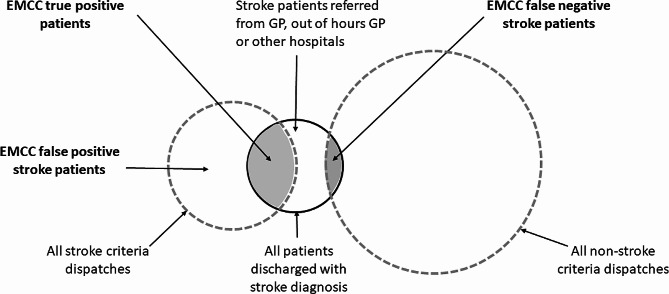
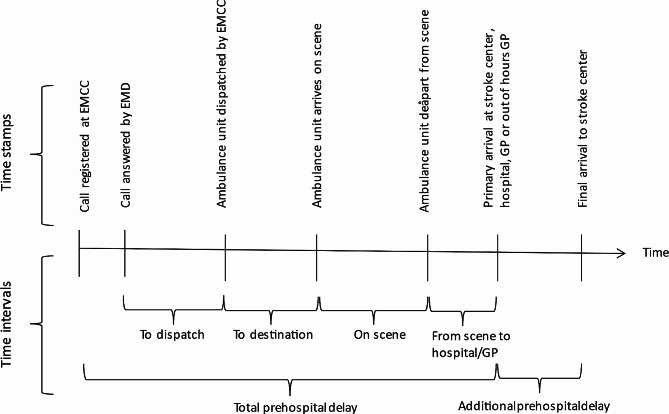
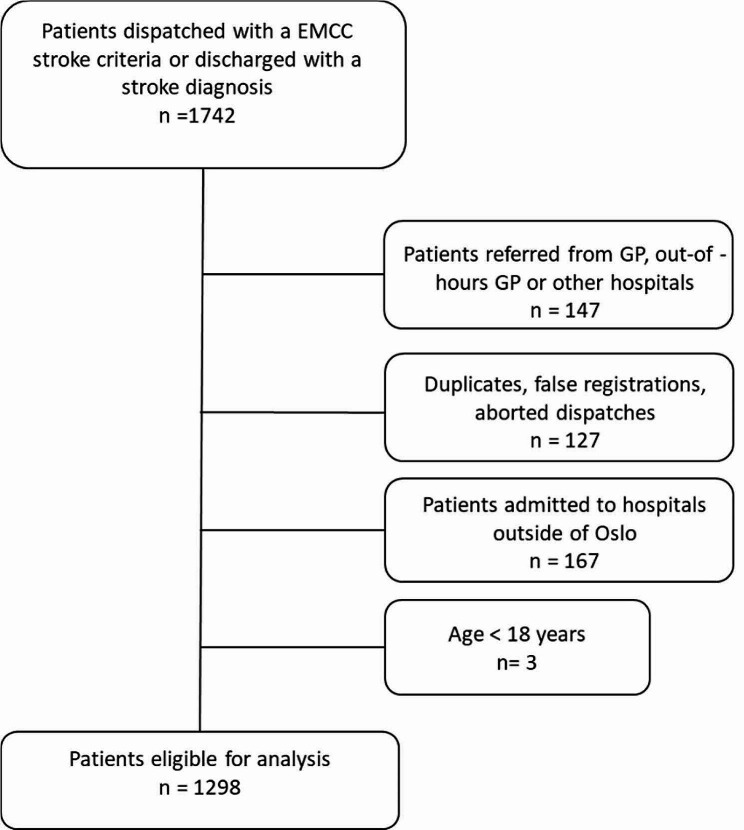
Materials and methods: We conducted a descriptive retrospective study based on data from the Emergency Department and EMCC records at a comprehensive stroke center in Oslo, Norway, during a six-month period (2019-2020). Patients dispatched with EMCC stroke criteria and/or discharged with a stroke diagnosis were included. We identified EMCC true positive, false positive and false negative stroke patients and estimated EMCC stroke sensitivity and positive predictive value (PPV). Furthermore, we analyzed prehospital time intervals and identified patient destinations to gain knowledge on ambulance services assessments.
Results: We included 1298 patients. EMCC stroke sensitivity was 77% (95% CI: 72 - 82%), and PPV was 16% (95% CI: 14 - 18%). EMCC false negative stroke patients experienced an increased median prehospital delay of 11 min (p < 0.001). Upon arrival at the scene, 68% of the EMCC false negative patients were identified as suspected stroke cases by the ambulance services. Similarly, 68% of the false positive stroke patients were either referred to a GP, out-of-hours GP acute clinic, local hospitals or left at the scene by the ambulance services, indicating that no obvious stroke symptoms were identified by ambulance personnel upon arrival at the scene.
Conclusions: This study reveals a high EMCC stroke sensitivity and an extensive number of false positive stroke dispatches. By comparing the assessments made by both the EMCC and the ambulance service, we have identified specific patient groups that should be the focus for future research efforts aimed at improving the sensitivity and specificity of stroke recognition in the EMCC.
Keywords: Emergency calls; Emergency medical communication center; Emergency medical dispatch; Emergency medical services; Prehospital care; Prehospital stroke management; Stroke pathway; Triage.
© 2024. The Author(s).
Conflict of interest statement
The authors declare no competing interests.
Figures


References
-
- Kim JT, Fonarow GC, Smith EE, Reeves MJ, Navalkele DD, Grotta JC, et al. Treatment with tissue plasminogen activator in the Golden Hour and the shape of the 4.5-Hour time-benefit curve in the National United States get with the guidelines-Stroke Population. Circulation. 2017;135(2):128–39. doi: 10.1161/CIRCULATIONAHA.116.023336. - DOI - PubMed
-
- Hemphill JC 3rd, Greenberg SM, Anderson CS, Becker K, Bendok BR, Cushman M, et al. Guidelines for the management of spontaneous intracerebral hemorrhage: a Guideline for Healthcare professionals from the American Heart Association/American Stroke Association. Stroke. 2015;46(7):2032–60. - PubMed
-
- Faiz KW, Sundseth A, Thommessen B, Ronning OM. Prehospital path in acute stroke. Tidsskr nor Laegeforen. 2017;137(11):798–802. - PubMed
MeSH terms
LinkOut - more resources
Full Text Sources
Medical
