


DL-3- n-butylphthalide attenuates doxorubicin-induced acute cardiotoxicity via Nrf2/HO-1 signaling pathway
- PMID: 38486757
- PMCID: PMC10938138
- DOI: 10.1016/j.heliyon.2024.e27644
DL-3- n-butylphthalide attenuates doxorubicin-induced acute cardiotoxicity via Nrf2/HO-1 signaling pathway
Abstract
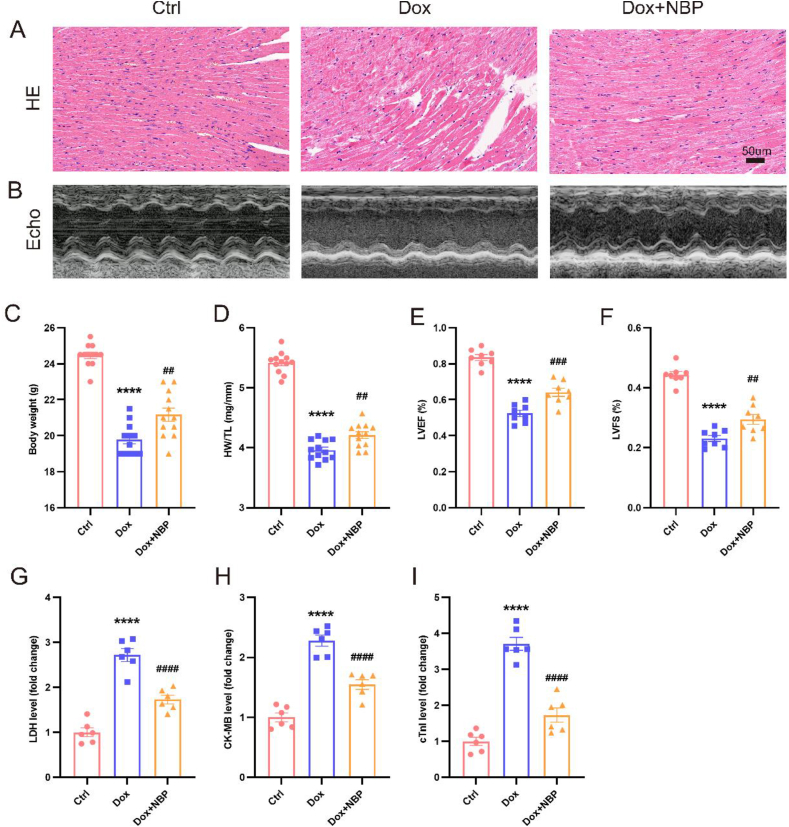
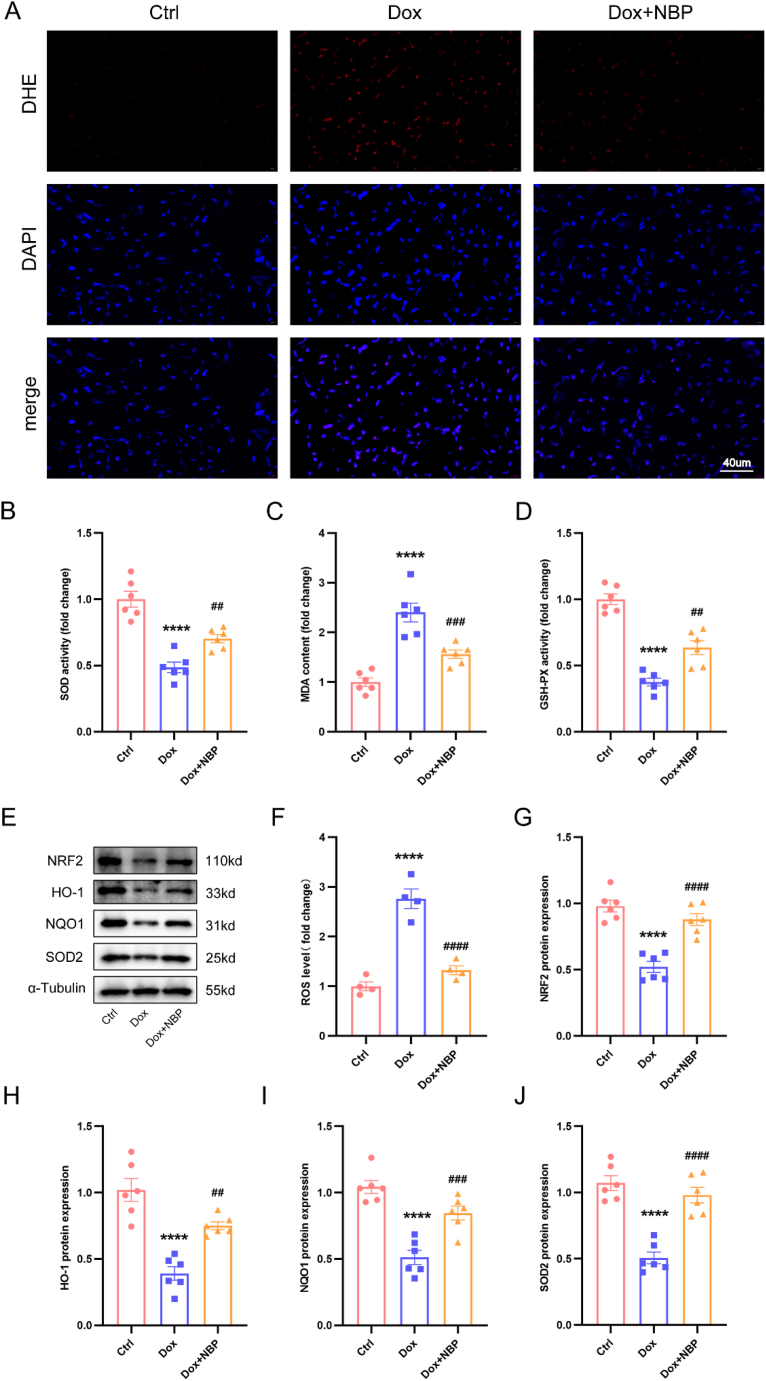
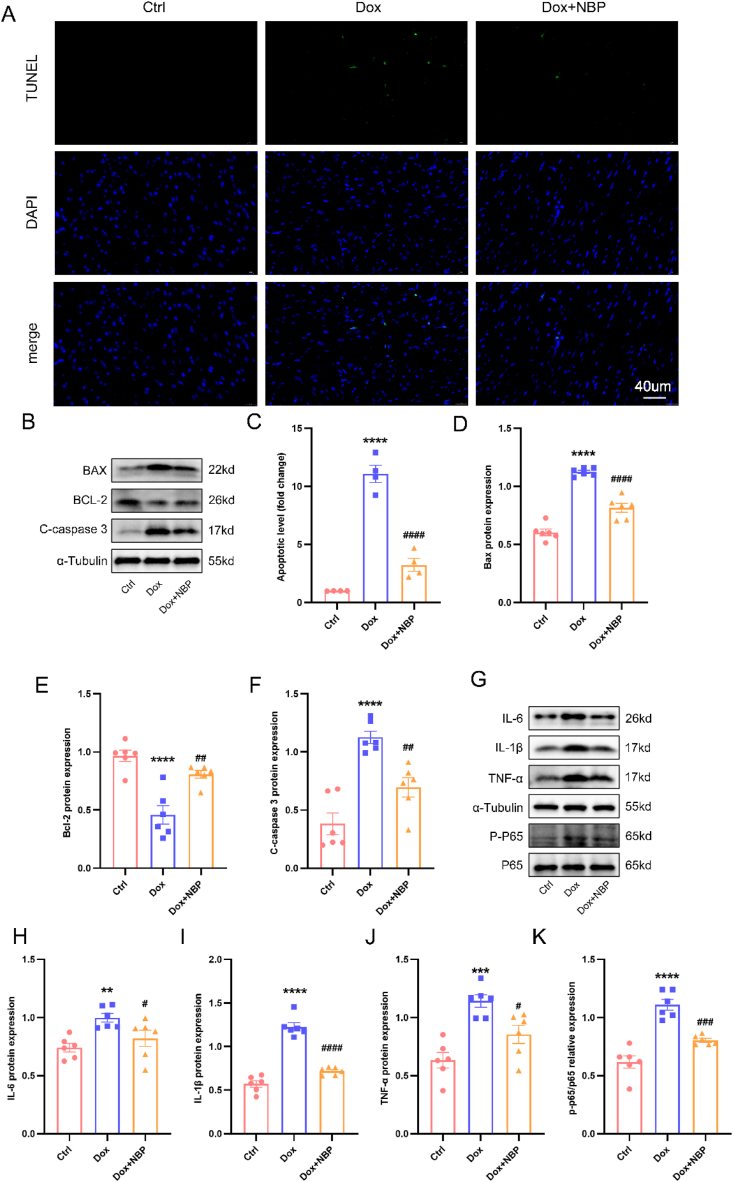
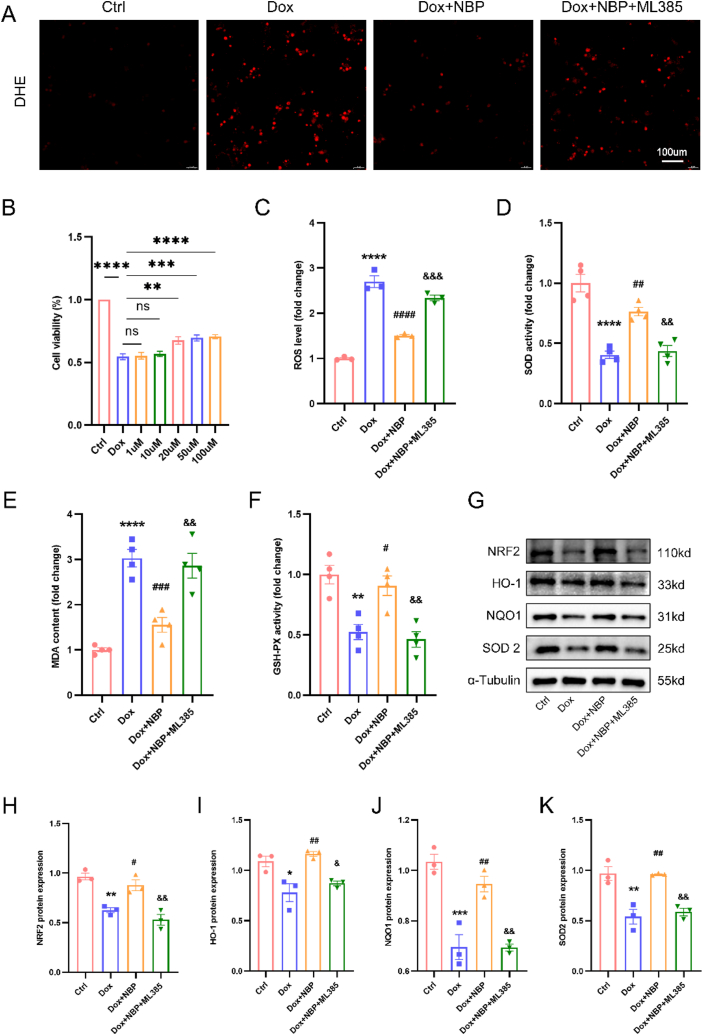
Doxorubicin (DOX) is a widely used chemotherapeutic drug known to cause dose-dependent myocardial toxicity, which limits its clinical potential. DL-3-n-butylphthalide (NBP), a substance extracted from celery seed species, has a number of pharmacological properties, such as antioxidant, anti-inflammatory, and anti-apoptotic actions. However, whether NBP can protect against DOX-induced acute myocardial toxicity is still unclear. Therefore, this study was designed to investigate the potential protective effects of NBP against DOX-induced acute myocardial injury and its underlying mechanism. By injecting 15 mg/kg of DOX intraperitoneally, eight-week-old male C57BL6 mice suffered an acute myocardial injury. The treatment group of mice received 80 mg/kg NBP by gavage once daily for 14 days. To mimic the cardiotoxicity of DOX, 1uM DOX was administered to H9C2 cells in vitro. In comparison to the DOX group, the results showed that NBP improved cardiac function and decreased serum levels of cTnI, LDH, and CK-MB. Additionally, HE staining demonstrated that NBP attenuated cardiac fibrillar lysis and breakage in DOX-treated mouse hearts. Western blotting assay and immunofluorescence staining suggested that NBP attenuated DOX-induced oxidative stress, apoptosis, and inflammation both in vivo and in vitro. Mechanistically, NBP significantly upregulated the Nrf2/HO-1 signaling pathway, while the Nrf2 inhibitor ML385 prevented NBP from protecting the myocardium from DOX-induced myocardial toxicity in vitro. In conclusion, Our results indicate that NBP alleviates DOX-induced myocardial toxicity by activating the Nrf2/HO-1 signaling pathway.
Keywords: DL-3-n-Butylphthalide; Doxorubicin; Myocardial toxicity; Nrf2; Oxidative stress.
© 2024 The Authors.
Conflict of interest statement
The authors declare that they have no known competing financial interests or personal relationships that could have appeared to influence the work reported in this paper.
Figures
References
-
- Benjanuwattra J., Siri-Angkul N., Chattipakorn S.C., Chattipakorn N. Doxorubicin and its proarrhythmic effects: a comprehensive review of the evidence from experimental and clinical studies. Pharmacol. Res. 2020;151 - PubMed
-
- Narayan H.K., Finkelman B., French B., Plappert T., Hyman D., Smith A.M., et al. Detailed echocardiographic Phenotyping in breast cancer patients: associations with ejection fraction decline, recovery, and heart failure symptoms over 3 Years of follow-up. Circulation. 2017;135(15):1397–1412. - PMC - PubMed
-
- Henriksen P.A. Anthracycline cardiotoxicity: an update on mechanisms, monitoring and prevention. Heart. 2018;104(12):971–977. - PubMed
-
- Cvetkovic R.S., Scott L.J. Dexrazoxane : a review of its use for cardioprotection during anthracycline chemotherapy. Drugs. 2005;65(7):1005–1024. - PubMed
LinkOut - more resources
Full Text Sources
Research Materials
Miscellaneous
