


Translation of a Successful Behavioral Intervention to a Digital Therapeutic Self-Management System for Older Adults
- PMID: 38487251
- PMCID: PMC10936698
- DOI: 10.1177/10648046211066409
Translation of a Successful Behavioral Intervention to a Digital Therapeutic Self-Management System for Older Adults
Abstract
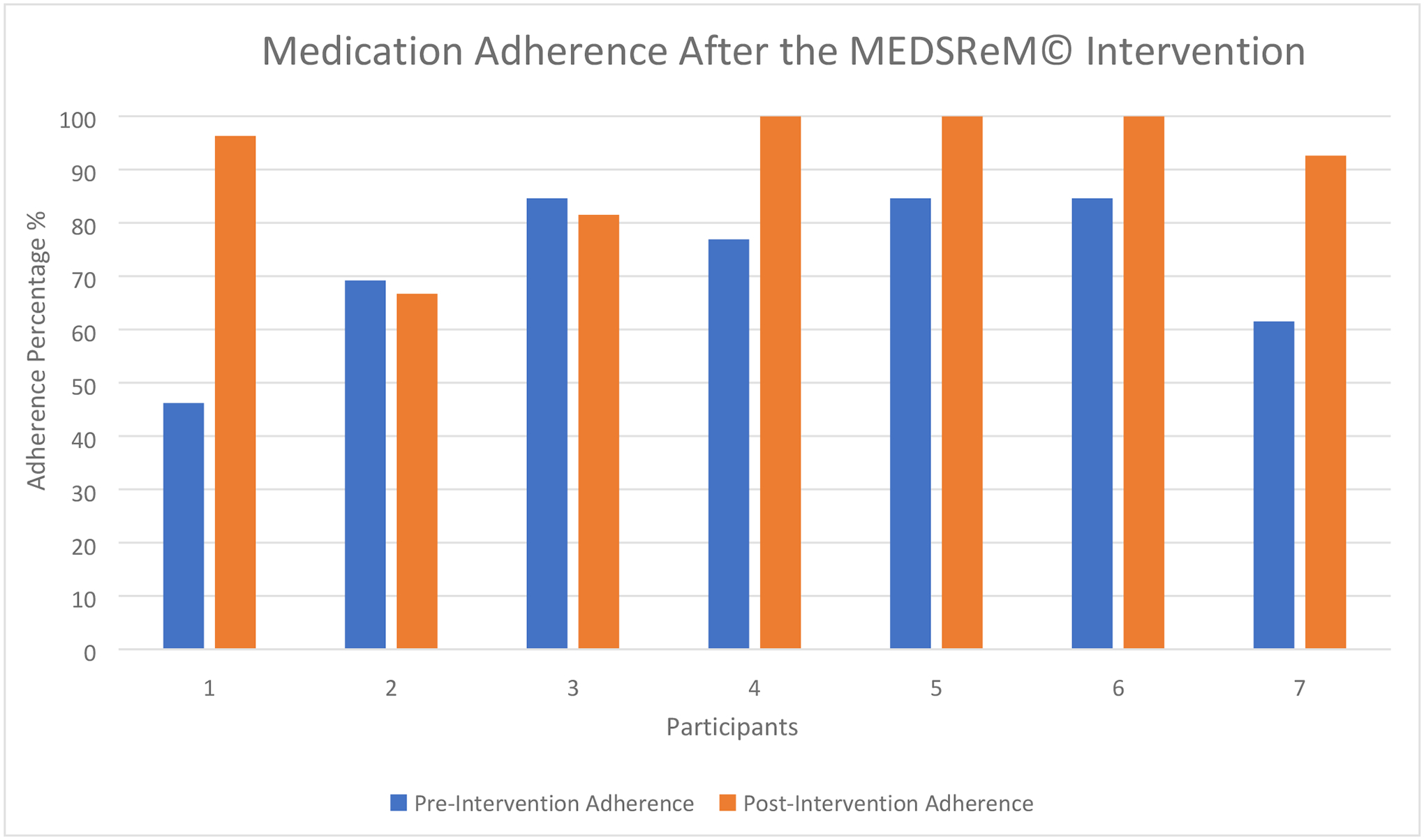
Feature at a Glance: Nonadherence to hypertension medications is associated with negative health outcomes, which is of particular importance for older adults because of the high prevalence of hypertension in this population. To promote medication adherence among this group, we translated a behavioral intervention that improved adherence by 36% into a digital therapeutic self-management system. Design strategies included interviewing older adults, conducting usability evaluations after each iteration, and engaging a team of experts from nursing, cognitive psychology, pharmacy, human factors in aging, and software development. We outline our design process that can guide translation of other behavioral interventions into digital therapeutic platforms.
Keywords: design for older adults; design strategies; digital therapeutics; health management; hypertension; mHealth; medication adherence; self-management; test and evaluation; usability.
Figures

References
-
- Anderson M, & Perrin A (2017). Technology use among seniors. Pew Research Center. https://www.pewresearch.org/internet/2017/05/17/technology-use-among-sen...
-
- Blocker KA, Insel KC, Koerner KM, & Rogers WA (2017). Understanding the Medication Adherence Strategies of Older Adults with Hypertension. Proceedings of the Human Factors and Ergonomics Society Annual Meeting, 61(1), 11–15. 10.1177/1541931213601498 - DOI
Grants and funding
LinkOut - more resources
Full Text Sources
Medical