Diverticular disease: update on pathophysiology, classification and management
- PMID: 38487561
- PMCID: PMC10935533
- DOI: 10.1136/flgastro-2022-102361
Diverticular disease: update on pathophysiology, classification and management
Abstract
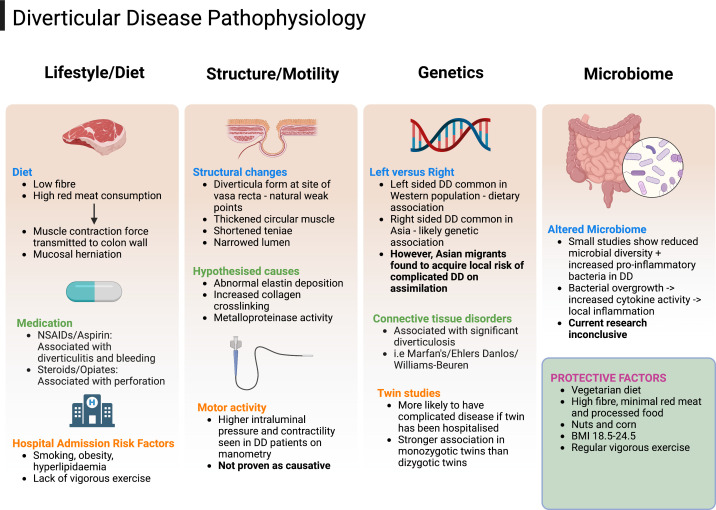
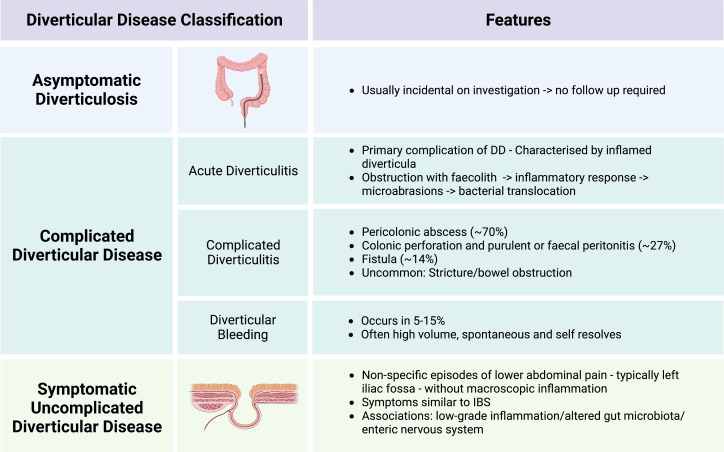
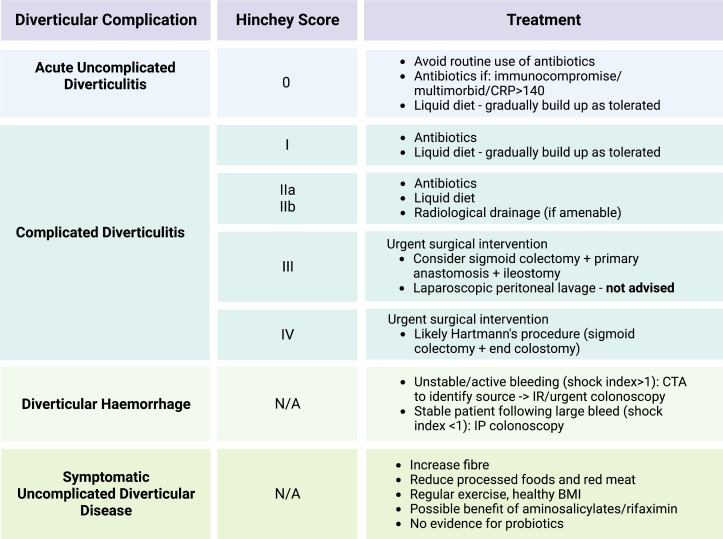
Colonic diverticulosis is prevalent, affecting approximately 70% of the western population by 80 years of age. Incidence is rapidly increasing in younger age groups. Between 10% and 25% of those with diverticular disease (DD) will experience acute diverticulitis. A further 15% will develop complications including abscess, bleeding and perforation. Such complications are associated with significant morbidity and mortality and constitute a worldwide health burden. Furthermore, chronic symptoms associated with DD are difficult to manage and present a further significant healthcare burden. The pathophysiology of DD is complex due to multifactorial contributing factors. These include diet, colonic wall structure, intestinal motility and genetic predispositions. Thus, targeted preventative measures have proved difficult to establish. Recently, commonly held conceptions on DD have been challenged. This review explores the latest understanding on pathophysiology, risk factors, classification and treatment options.
Keywords: COLORECTAL SURGERY; DIVERTICULAR DISEASE.
© Author(s) (or their employer(s)) 2024. No commercial re-use. See rights and permissions. Published by BMJ.
Conflict of interest statement
Competing interests: None declared.
Figures
References
Publication types
LinkOut - more resources
Full Text Sources