


Citrus limon Essential Oil: Chemical Composition and Selected Biological Properties Focusing on the Antimicrobial (In Vitro, In Situ), Antibiofilm, Insecticidal Activity and Preservative Effect against Salmonella enterica Inoculated in Carrot
- PMID: 38498554
- PMCID: PMC10893099
- DOI: 10.3390/plants13040524
Citrus limon Essential Oil: Chemical Composition and Selected Biological Properties Focusing on the Antimicrobial (In Vitro, In Situ), Antibiofilm, Insecticidal Activity and Preservative Effect against Salmonella enterica Inoculated in Carrot
Abstract
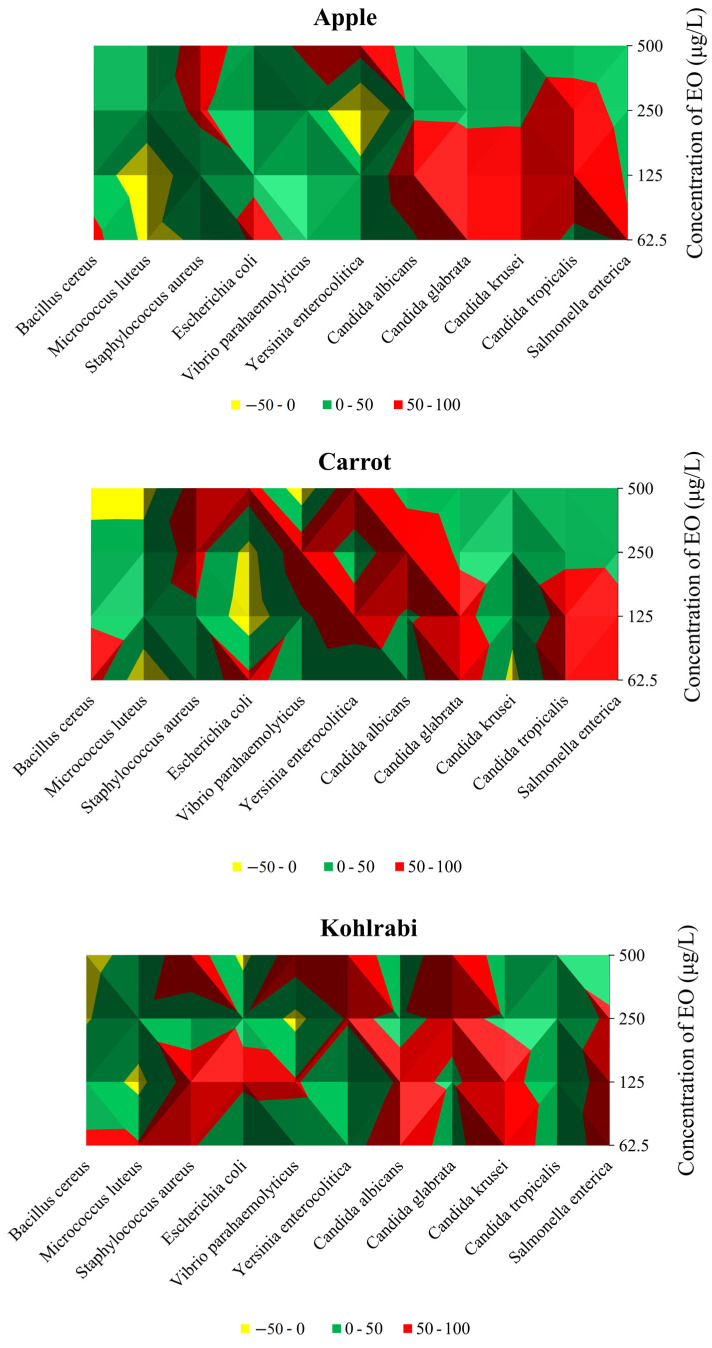
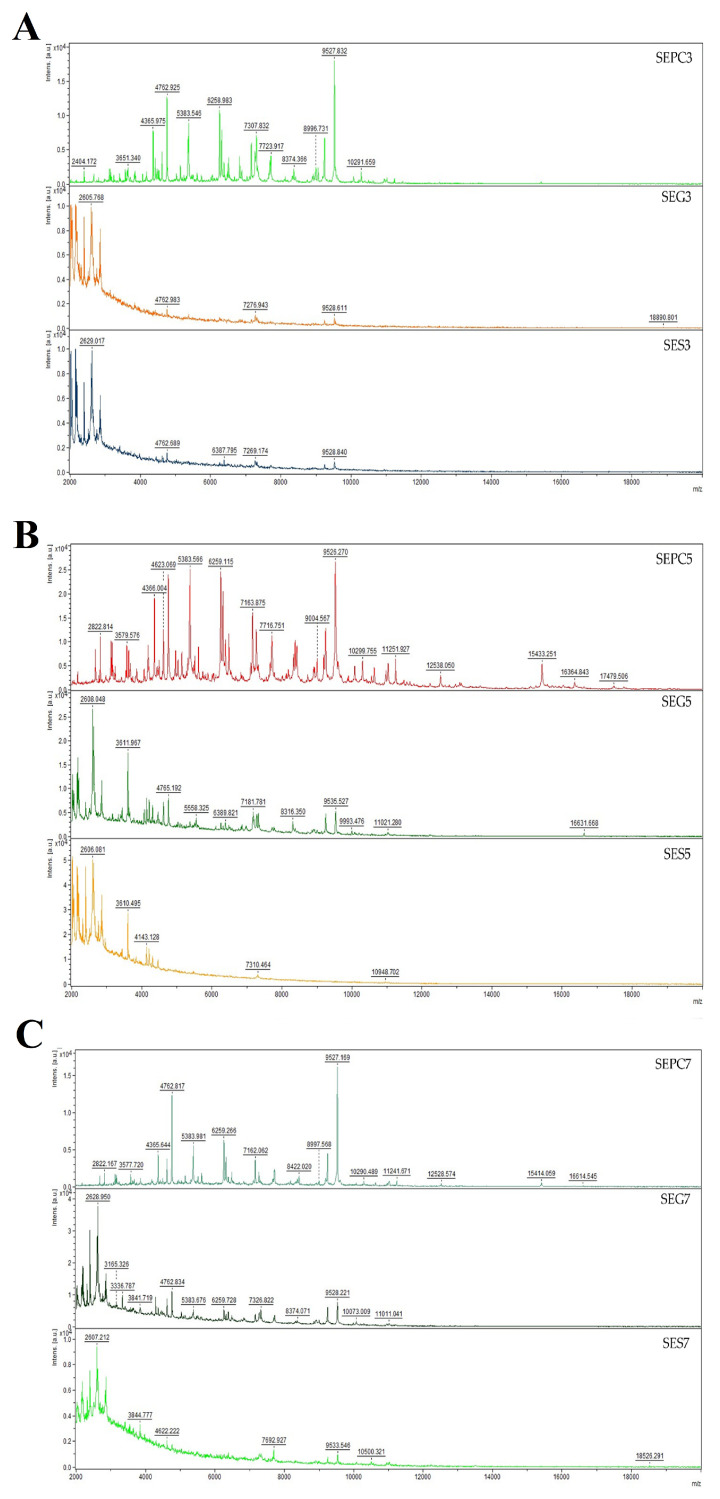
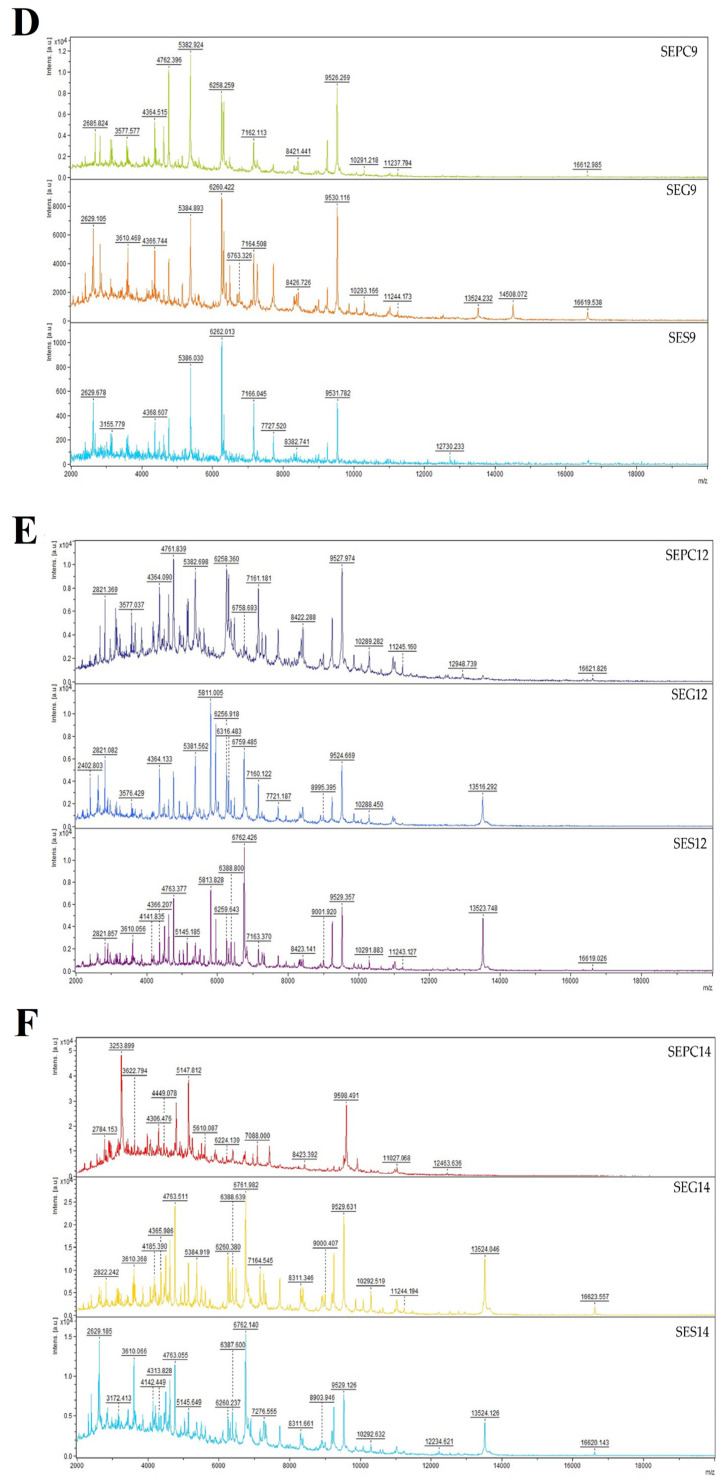
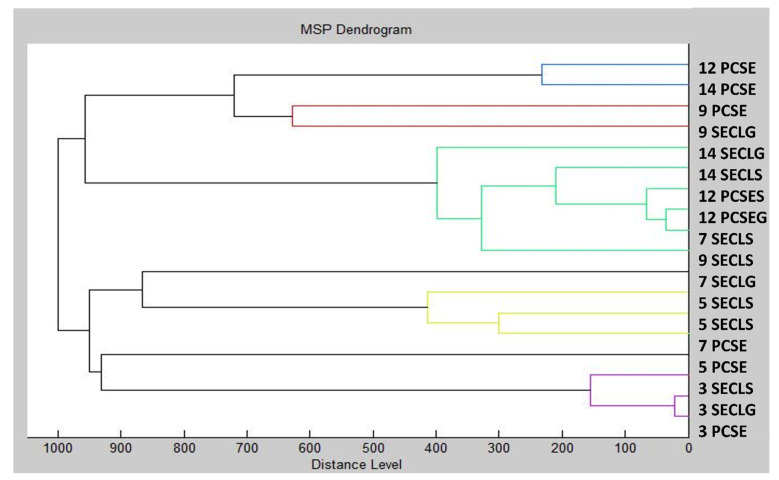
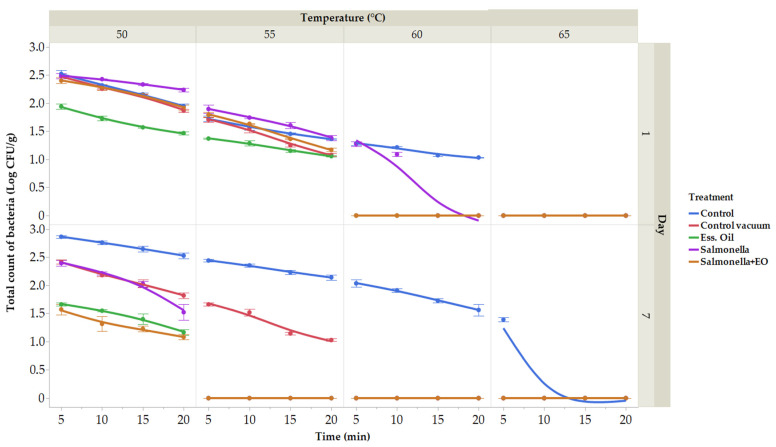
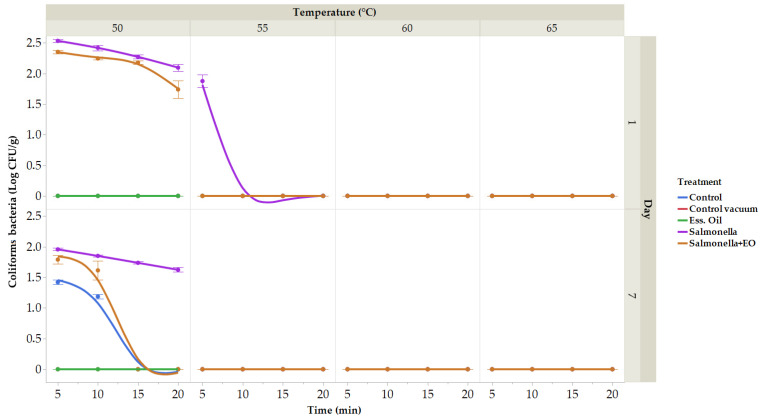
New goals for industry and science have led to increased awareness of food safety and healthier living in the modern era. Here, one of the challenges in food quality assurance is the presence of pathogenic microorganisms. As planktonic cells can form biofilms and go into a sessile state, microorganisms are now more resistant to broad-spectrum antibiotics. Due to their proven antibacterial properties, essential oils represent a potential option to prevent food spoilage in the search for effective natural preservatives. In this study, the chemical profile of Citrus limon essential oil (CLEO) was evaluated. GC-MS analysis revealed that limonene (60.7%), β-pinene (12.6%), and γ-terpinene (10.3%) are common constituents of CLEO, which prompted further research on antibacterial and antibiofilm properties. Minimum inhibitory concentration (MIC) values showed that CLEO generally exhibits acceptable antibacterial properties. In addition, in situ antimicrobial research revealed that vapour-phase CLEO can arrest the growth of Candida and Y. enterocolitica species on specific food models, indicating the potential of CLEO as a preservative. The antibiofilm properties of CLEO were evaluated by MIC assays, crystal violet assays, and MALDI-TOF MS analysis against S. enterica biofilm. The results of the MIC and crystal violet assays showed that CLEO has strong antibiofilm activity. In addition, the data obtained by MALDI-TOF MS investigation showed that CLEO altered the protein profiles of the bacteria studied on glass and stainless-steel surfaces. Our study also found a positive antimicrobial effect of CLEO against S. enterica. The anti-Salmonella activity of CLEO in vacuum-packed sous vide carrot samples was slightly stronger than in controls. These results highlight the advantages of the antibacterial and antibiofilm properties of CLEO, suggesting potential applications in food preservation.
Keywords: anti-Candida and Salmonella effect; antibacterial activity; antibiofilm activity; carrot; chemical analysis; insecticidal activity; microorganisms; sous vide.
Conflict of interest statement
The authors declare no conflicts of interest.
Figures
References
-
- Mabberley D.J. Citrus (Rutaceae): A Review of Recent Advances in Etymology, Systematics and Medical Applications. Blumea Biodivers. Evol. Biogeogr. Plants. 2004;49:481–498. doi: 10.3767/000651904X484432. - DOI
-
- Klimek-Szczykutowicz M., Szopa A., Ekiert H. Citrus limon (Lemon) Phenomenon—A Review of the Chemistry, Pharmacological Properties, Applications in the Modern Pharmaceutical, Food, and Cosmetics Industries, and Biotechnological Studies. Plants. 2020;9:119. doi: 10.3390/plants9010119. - DOI - PMC - PubMed
-
- Robards K., Antolovich M. Analytical Chemistry of Fruit BioflavonoidsA Review. Analyst. 1997;122:11R–34R. doi: 10.1039/a606499j. - DOI
-
- Kaskoos R.A. Essential Oil Analysis by GC-MS and Analgesic Activity of Lippia citriodora and Citrus limon. J. Essent. Oil Bear. Plants. 2019;22:273–281. doi: 10.1080/0972060X.2019.1603123. - DOI
Grants and funding
LinkOut - more resources
Full Text Sources
Molecular Biology Databases
Research Materials
Miscellaneous
