


Impact of clear aligner therapy on masticatory musculature and stomatognathic system: a systematic review conducted according to PRISMA guidelines and the Cochrane handbook for systematic reviews of interventions
- PMID: 38504207
- PMCID: PMC10949793
- DOI: 10.1186/s12903-024-04029-8
Impact of clear aligner therapy on masticatory musculature and stomatognathic system: a systematic review conducted according to PRISMA guidelines and the Cochrane handbook for systematic reviews of interventions
Abstract
Background: Clear aligner therapy has gained popularity as a minimally invasive orthodontic treatment option. However, its impact on the masticatory musculature and the stomatognathic system is an area of growing interest, as it involves the adjustment of occlusion and tooth movement. This systematic review aims to comprehensively assess and synthesise existing evidence regarding the influence of clear aligner therapy on the masticatory musculature and the stomatognathic system.
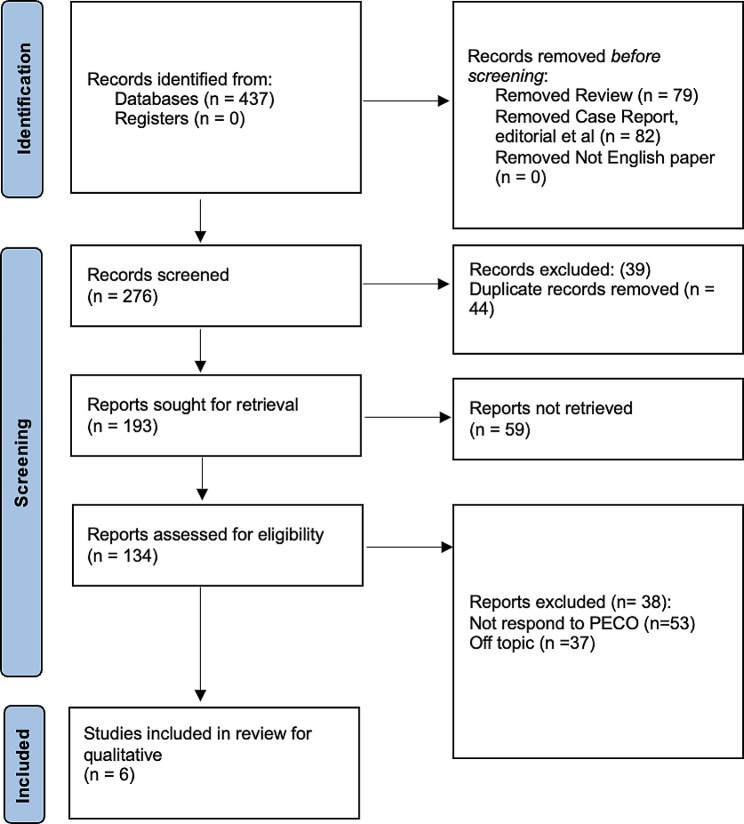
Methods: An exhaustive search was performed on electronic databases that adhered to PRISMA guidelines. Clinical studies that evaluated the impact of patients receiving aligner orthodontic treatment on the muscles of the mastication and stomatognathic systems were included. A standardised data extraction form was devised for relevant variables. Two reviewers extracted the data variables. ROB-2 was used for bias evaluation in the selected studies.
Results: A total of six studies met the inclusion criteria. The wearing of clear aligners significantly impacted the muscles of mastication. Muscle activity and discomfort showed a significant alteration in the initial days of appliance placement. but this observation was temporary, with no significant changes thereafter in subsequent follow-up. Bite force reduction was also noted. All the studies evaluated showed good methodological quality.
Conclusion: The review found that aligned orthodontic treatment may have a variable impact on muscles of mastication, with a potential for initial exacerbation of symptoms followed by possible improvement. However, due to the limited number of studies and their heterogeneous nature, further robust research is recommended to fully understand the relationship between aligned orthodontic treatment and masticatory muscles.
Keywords: Aligners; Bite force; Masticatory musculature; Oral health; Orthodontic treatment; Orthodontics; Temporomandibular disorders.
© 2024. The Author(s).
Conflict of interest statement
The authors declare no competing interests.
Figures


References
-
- Cuenca-Martínez F, Herranz-Gómez A, Madroñero-Miguel B, Reina-Varona Á, La Touche R, Angulo-Díaz-Parreño S, Pardo-Montero J, del Corral T, López-de-Uralde-Villanueva I. Craniocervical and cervical spine features of patients with Temporomandibular disorders: a systematic review and Meta-analysis of Observational studies. J Clin Med. 2020;9:2806. doi: 10.3390/jcm9092806. - DOI - PMC - PubMed
-
- Miller KB, McGorray SP, Womack R, Quintero JC, Perelmuter M, Gibson J, Dolan TA, Wheeler TT. (2007) A comparison of treatment impacts between Invisalign aligner and fixed appliance therapy during the first week of treatment. Am J Orthod Dentofac. 131:302.e1-302.e9. - PubMed
-
- Spagnuolo G, Desiderio C, Rivieccio V, Amato M, Rossetti DV, D’Antò V, Schweikl H, Lupi A, Rengo S, Nocca G. In vitro cellular detoxification of triethylene glycol dimethacrylate by adduct formation with N-acetylcysteine. Dent Mater. 2013;29:e153–60. doi: 10.1016/j.dental.2013.04.023. - DOI - PubMed
Publication types
MeSH terms
LinkOut - more resources
Full Text Sources
Miscellaneous
