


Advancing sanitary surveillance: Innovating a live-feed sewer monitoring framework for effective water level and chamber cover detections
- PMID: 38509934
- PMCID: PMC10950577
- DOI: 10.1016/j.heliyon.2024.e27395
Advancing sanitary surveillance: Innovating a live-feed sewer monitoring framework for effective water level and chamber cover detections
Erratum in
-
Corrigendum to "Advancing sanitary surveillance: Innovating a live-feed sewer monitoring framework for effective water level and chamber cover detections" [Heliyon Volume 10, Issue 6, March 2024, Article e27395].Heliyon. 2025 Mar 26;11(9):e43239. doi: 10.1016/j.heliyon.2025.e43239. eCollection 2025 Apr. Heliyon. 2025. PMID: 40535295 Free PMC article.
Abstract
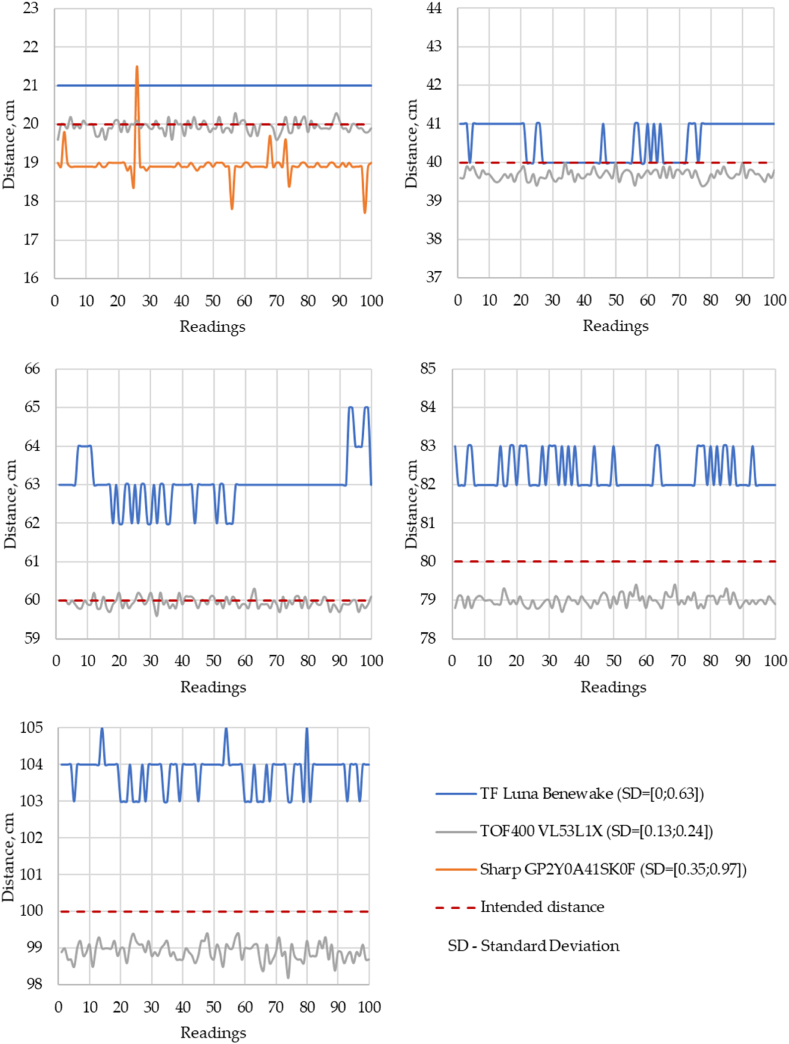
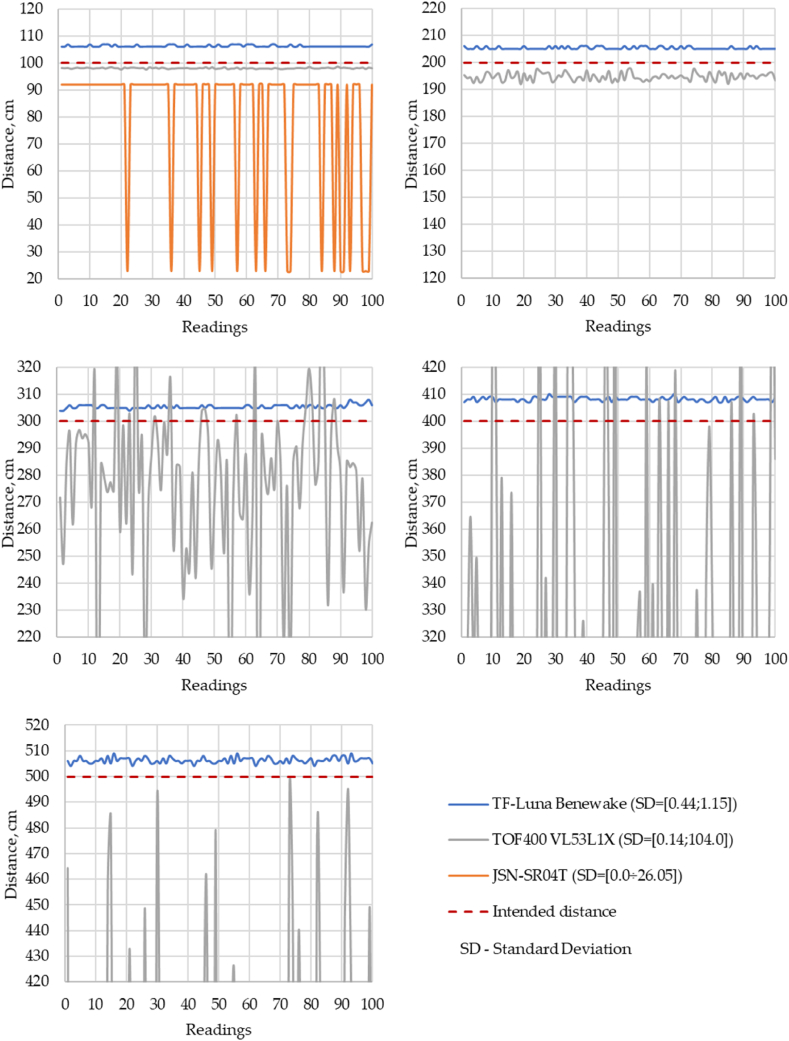
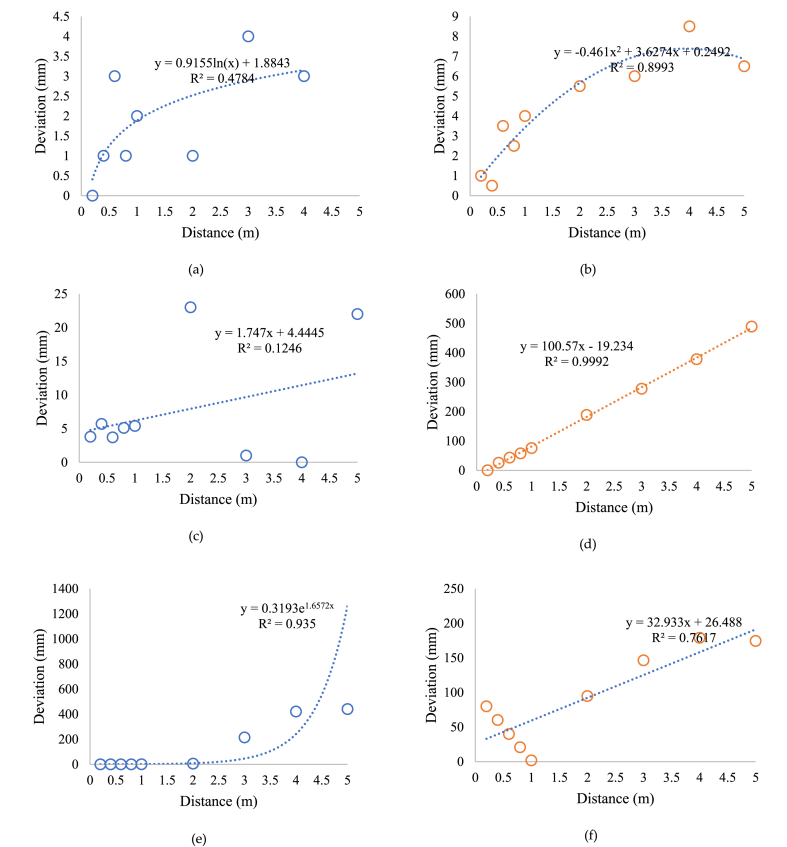
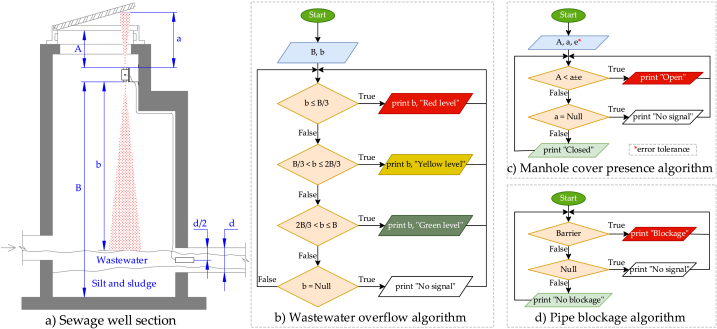
Efficient sanitation system management relies on vigilant sewage surveillance to uphold environmental hygiene. The absence of robust monitoring infrastructure jeopardizes unimpeded conduit flow, leading to floods and contamination. The accumulation of harmful gases in sewer chambers, coupled with tampered lids, compounds sewer network challenges, resulting in structural damage, disruptions, and safety risks from accidents and gas inhalation. Notably, even vehicular transit is vulnerable, facing collisions due to inadequately secured manholes. The core objective of this research was to deconstruct and synthesize a prototype blueprint for a live-feed sewer monitoring framework (LSMF). This involves creating a data gathering nexus (DGN) and empirically assessing diverse wireless sensing implements (WSI) for precision. Simultaneously, a geographic information matrix (GIM) was developed with algorithms to detect sewer surges, blockages, and missing manhole covers. Three scrutinized sensors-the LiDar TF-Luna, laser TOF400 VL53L1X, and ultrasonic JSN-SR04T-were evaluated for their ability to measure water levels in sewer vaults. The results showed that the TF-Luna LiDar sensor performed favorably within the 1.0-5.0 m range, with a standard deviation of 0.44-1.15. The TOF400 laser sensor ranked second, with a more variable standard deviation of up to 104 as obstacle distance increased. In contrast, the JSN-SR04T ultrasonic sensor exhibited lower standard deviation but lacked consistency, maintaining readings of 0.22-0.23 m within the 2.0-5.0 m span. The insights from this study provide valuable guidance for sustainable solutions to sewer surveillance challenges. Moreover, employing a logarithmic function, TF-Luna Benewake exhibited reliability at approximately 84.5%, while TOF400 VL53L1X adopted an exponential equation, boasting reliability approaching approximately 89.6%. With this navigational tool, TF-Luna Benewake maintained accuracy within ±10 cm for distances ranging from 8 to 10 m, showcasing its exceptional performance.
Keywords: Geographic information system; Internet of things; Sensors; Sewer chamber; Sewer monitoring.
© 2024 The Authors.
Conflict of interest statement
The authors declare that they have no known competing financial interests or personal relationships that could have appeared to influence the work reported in this paper.
Figures
References
-
- Sood B., Lokhande S., Krishnankutty M., Kalbar P.P. Economic assessment of centralized and decentralized sewerage network systems: a case study of Ludhiana, India. J. Urban Plann. Dev. 2023;149 doi: 10.1061/JUPDDM.UPENG-4095. - DOI
-
- Ouattara Z.A., Kabo-Bah A.T., Dongo K., Akpoti K. A Review of sewerage and drainage systems typologies with case study in Abidjan, Côte d'Ivoire: failures, policy and management techniques perspectives. Cogent Eng. 2023;10 doi: 10.1080/23311916.2023.2178125. - DOI
-
- Mazunga F., Romosi T., Guvhu R. Manhole intrusion detection system with notification stages. Sci. African. 2021;12 doi: 10.1016/j.sciaf.2021.e00819. - DOI
LinkOut - more resources
Full Text Sources
Miscellaneous
