


Mediterranean diet: a potential player in the link between oral microbiome and oral diseases
- PMID: 38510981
- PMCID: PMC10953787
- DOI: 10.1080/20002297.2024.2329474
Mediterranean diet: a potential player in the link between oral microbiome and oral diseases
Abstract
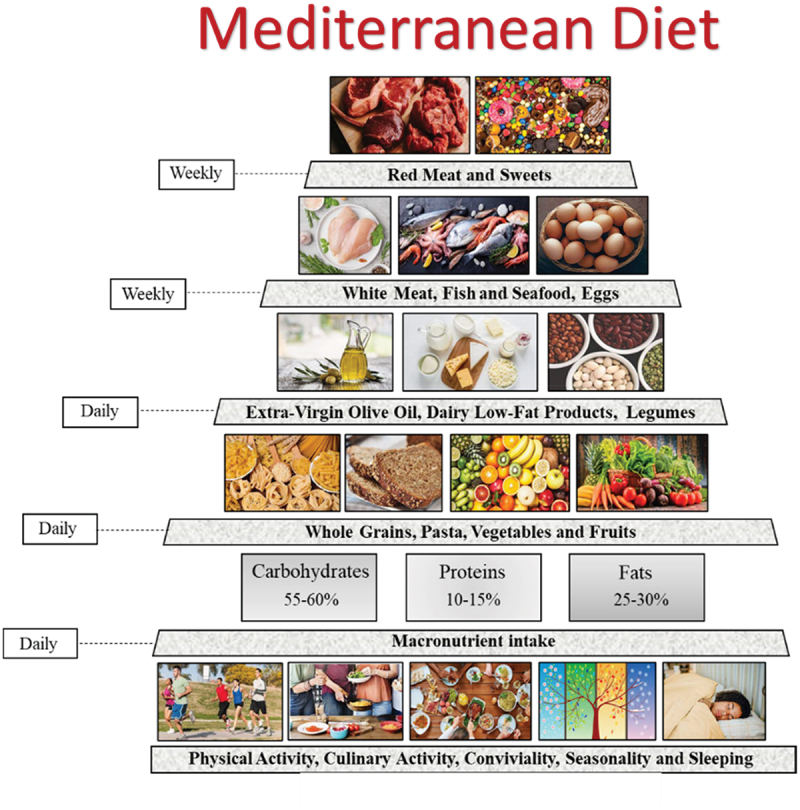
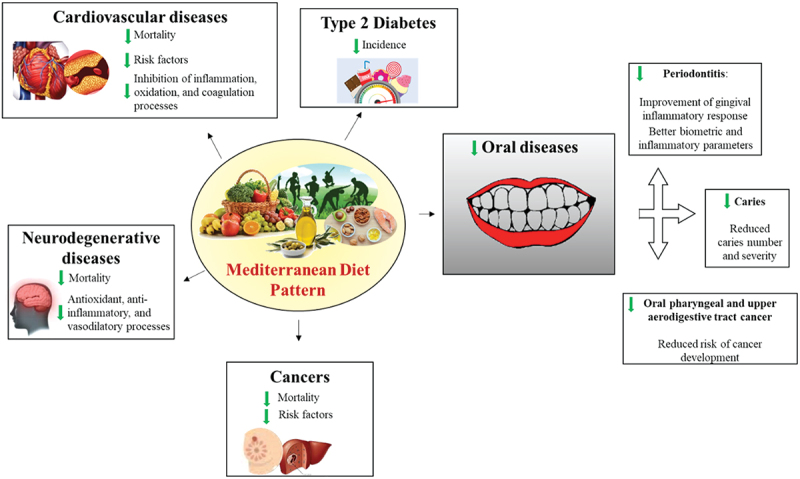
Background: The oral microbiome is a complex and dynamic assemblage of microorganisms that colonize different sites of the oral cavity maintaining both oral and systemic health. Therefore, when its composition is altered, oral diseases occur. Among oral inflammatory pathologies, periodontal diseases affect the tissues surrounding the teeth, representing the main cause of tooth loss and one of the most important threats to the oral health. Lifestyle and eating habits influence the composition of the human oral microbiota and the development and progression of oral diseases. In this context, the Mediterranean Diet (MD) model, comprising both healthy dietary choices and lifestyle, is linked to the prevention of several metabolic and chronic-degenerative pathological processes, including oral diseases. Indeed, the MD is a plant-based diet, enriched of anti-inflammatory and antioxidant nutrients, which may induce beneficial effects against dental caries and periodontal diseases.
Aim: This review summarizes the role of the oral microbiome in the development of the oral diseases and the potential of MD in modulating the oral microbiome leading to implications for oral health.
Conclusions: The data collected highlight the need to promote the MD pattern along with the correct hygiene habits to prevent the development of oral diseases.
Keywords: Mediterranean Diet; biofilm; chronic metabolic diseases; dental plaque; nutrients; oral diseases; oral health implications; oral microbiome; periodontal diseases.
Plain language summary
The oral microbiome is a complex and dynamic assemblage of microorganisms that colonize different sites of the oral cavity maintaining both oral and systemic health.The Mediterranean Diet (MD) model, comprising both healthy dietary choices and lifestyle, is linked to the prevention of several metabolic and chronic degenerative pathological processes, including oral diseases.The MD may represent a potential player in the link between oral microbiome and oral diseases.
© 2024 The Author(s). Published by Informa UK Limited, trading as Taylor & Francis Group.
Conflict of interest statement
No potential conflict of interest was reported by the author(s).
Figures
References
Publication types
LinkOut - more resources
Full Text Sources
