


Repulsive Sema3E-Plexin-D1 signaling coordinates both axonal extension and steering via activating an autoregulatory factor, Mtss1
- PMID: 38526535
- PMCID: PMC11001299
- DOI: 10.7554/eLife.96891
Repulsive Sema3E-Plexin-D1 signaling coordinates both axonal extension and steering via activating an autoregulatory factor, Mtss1
Abstract
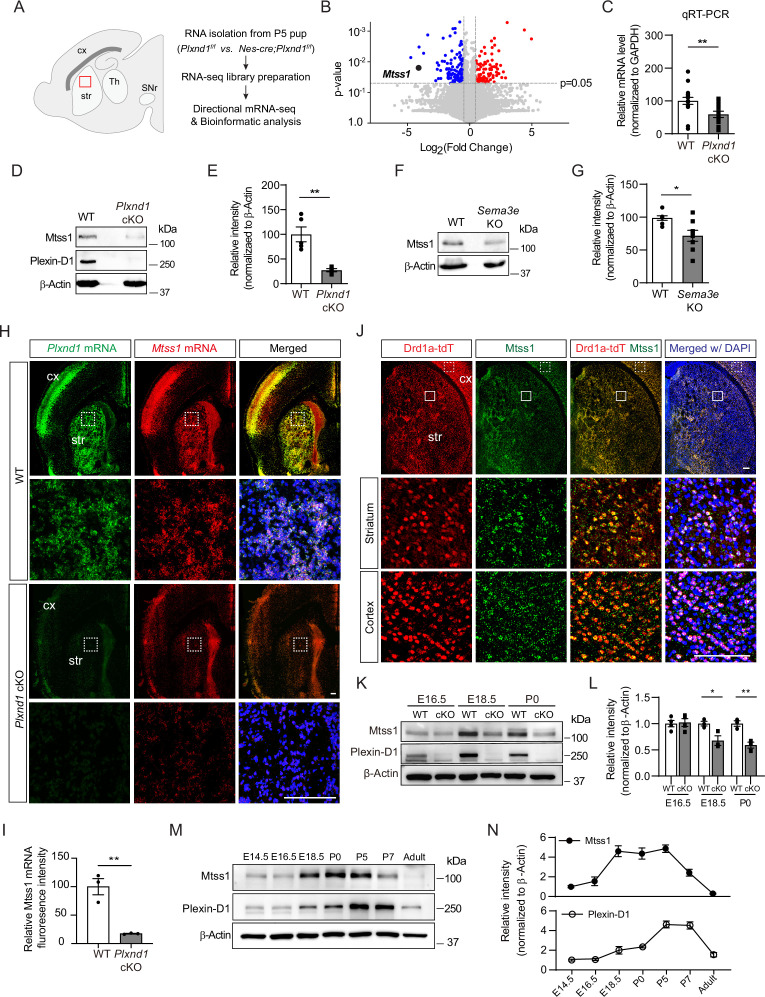
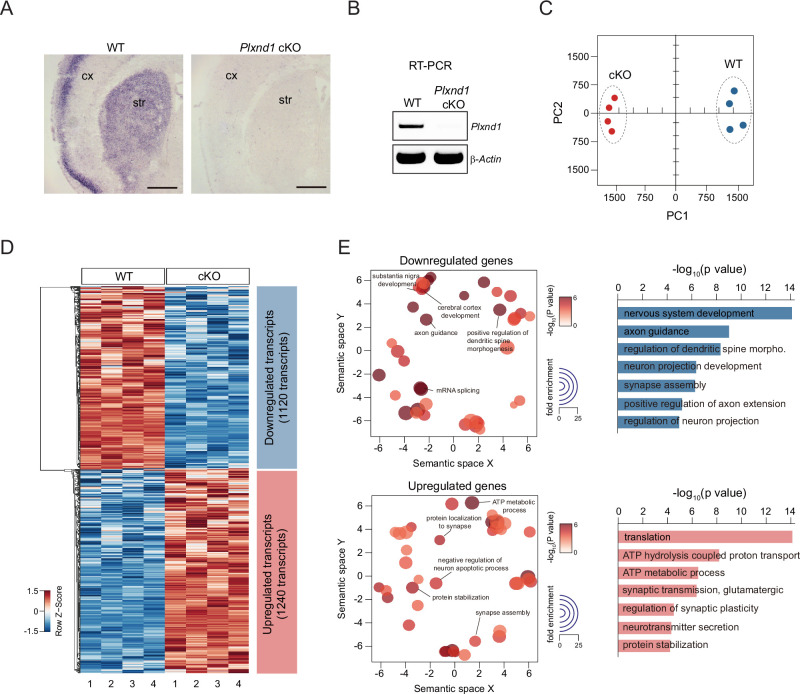
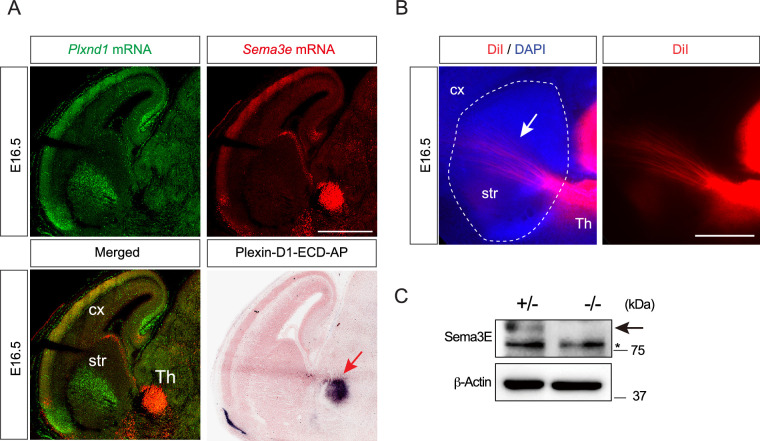
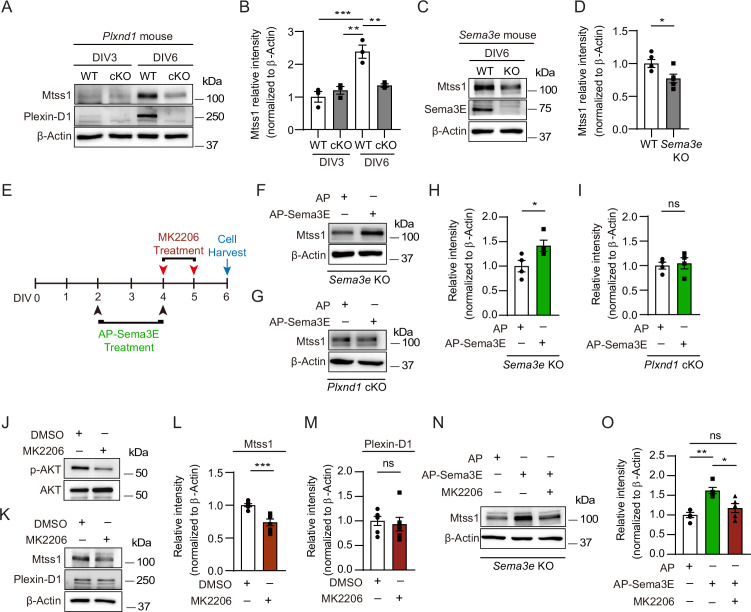
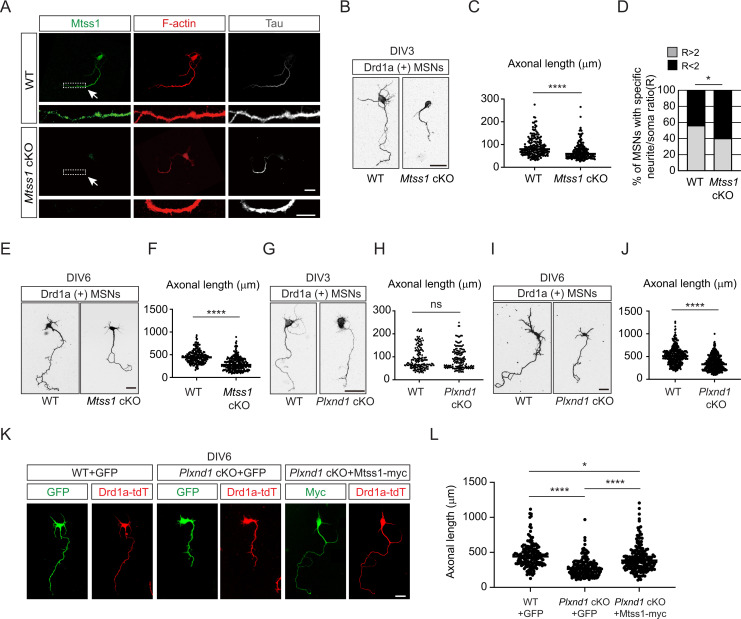
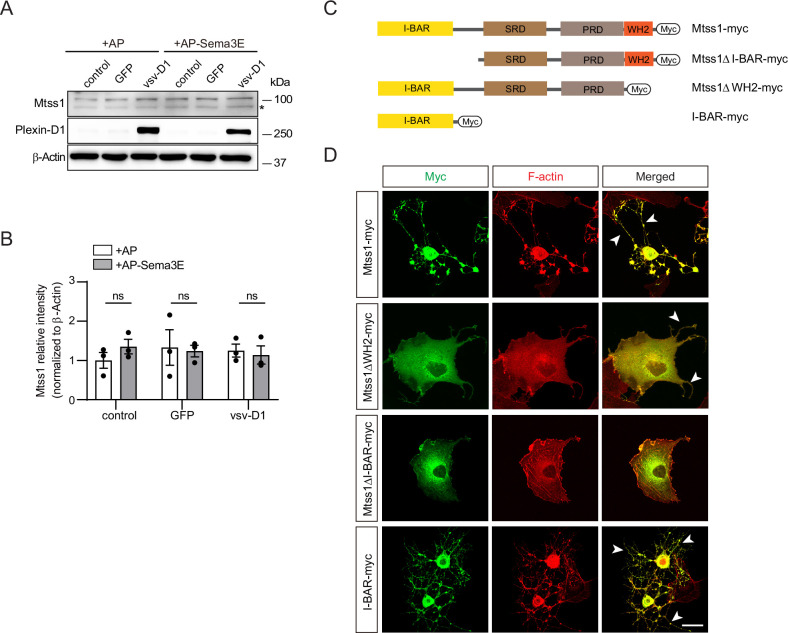
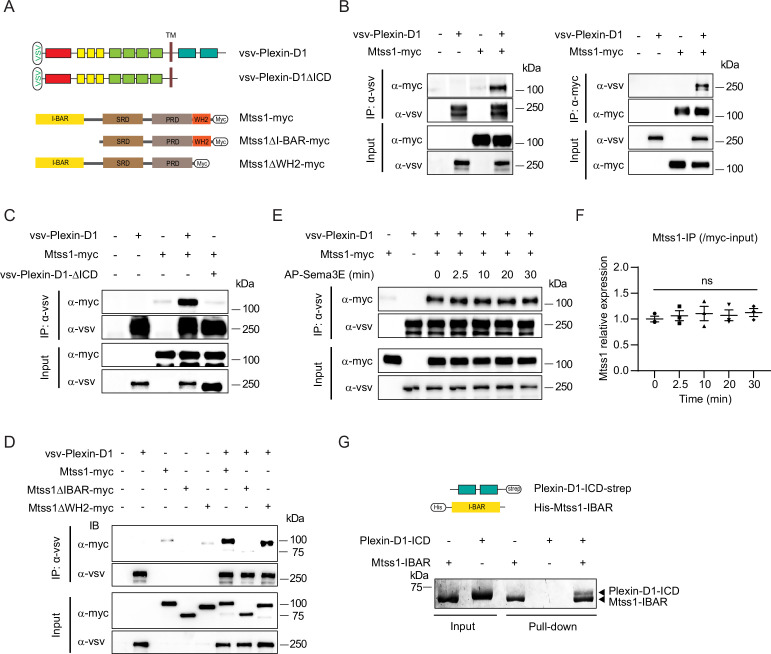
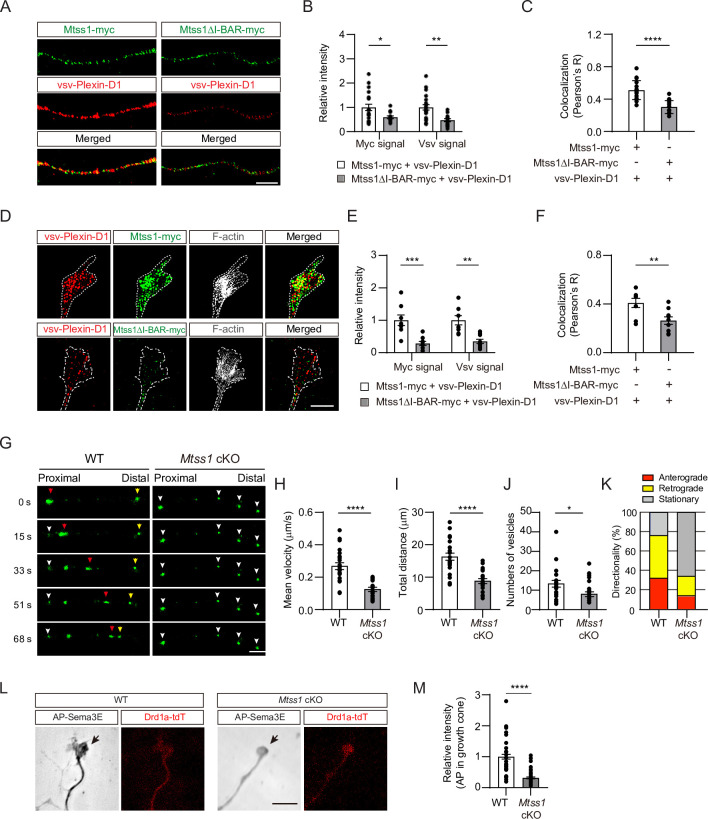
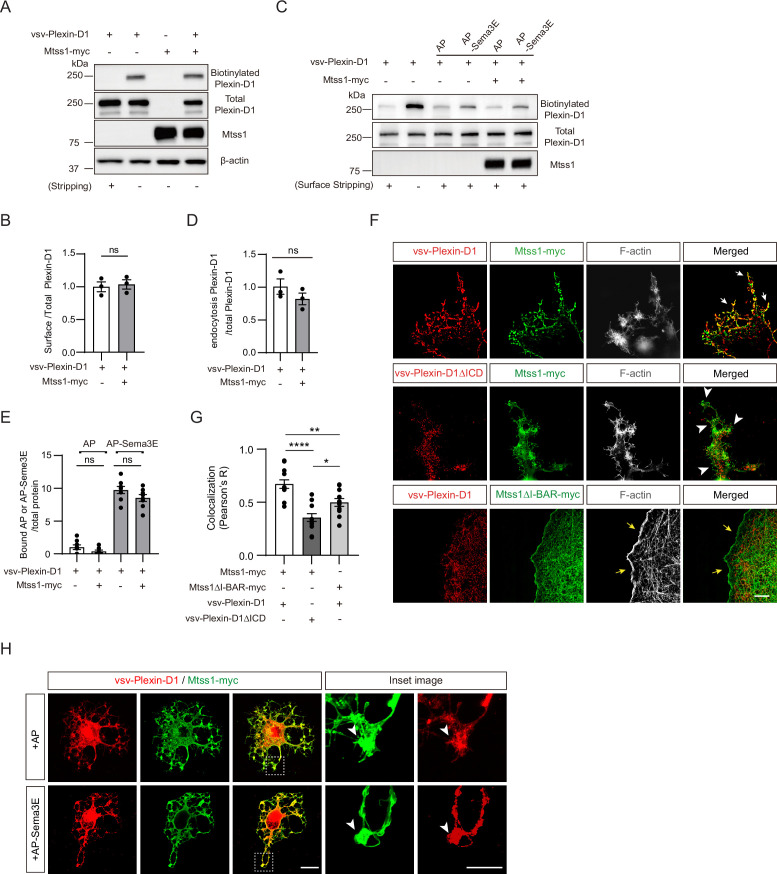
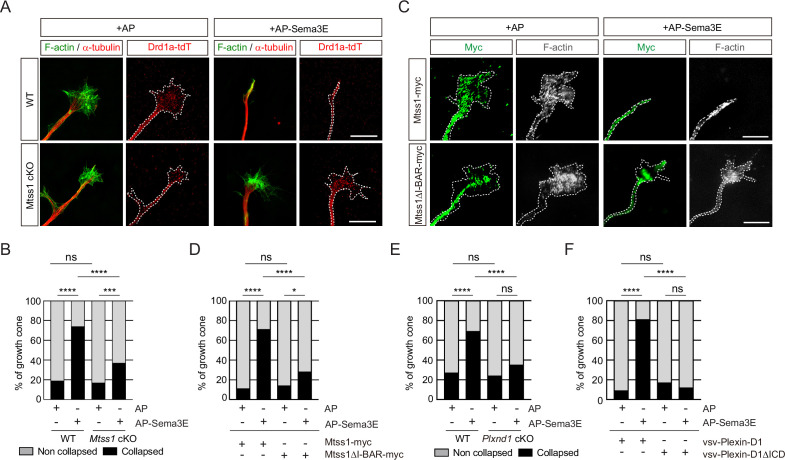
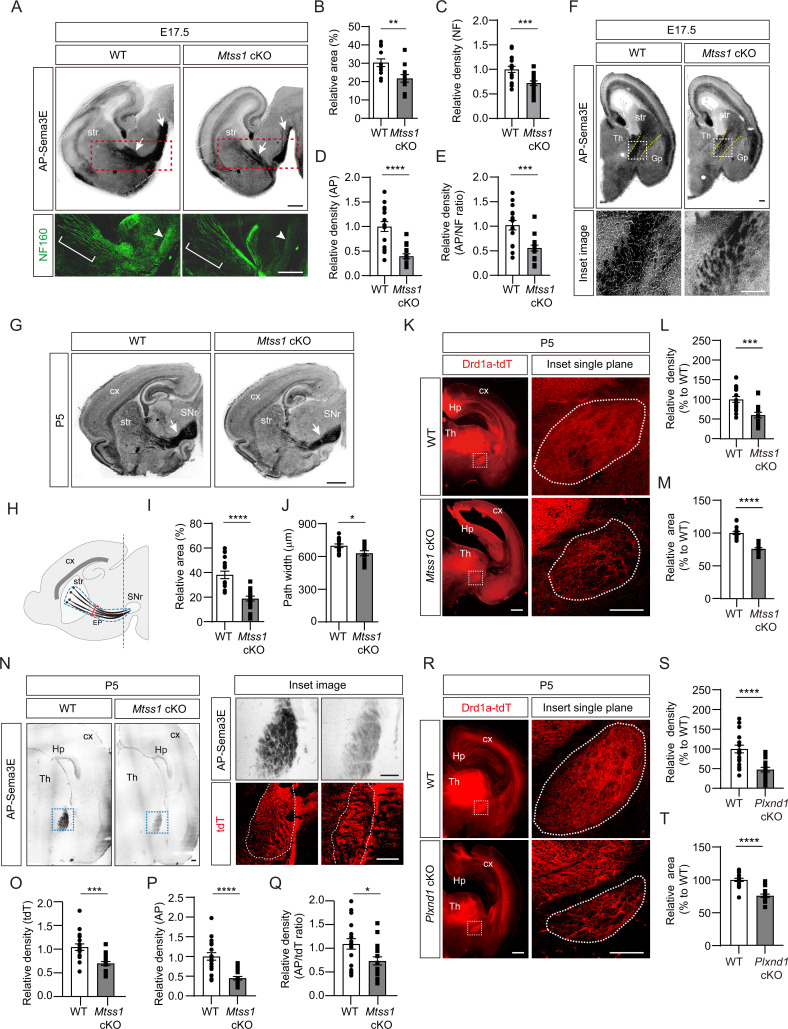
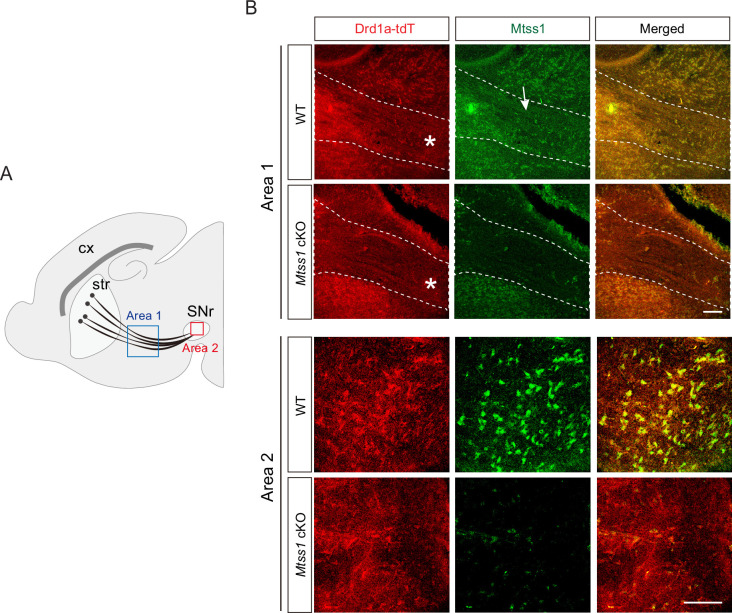
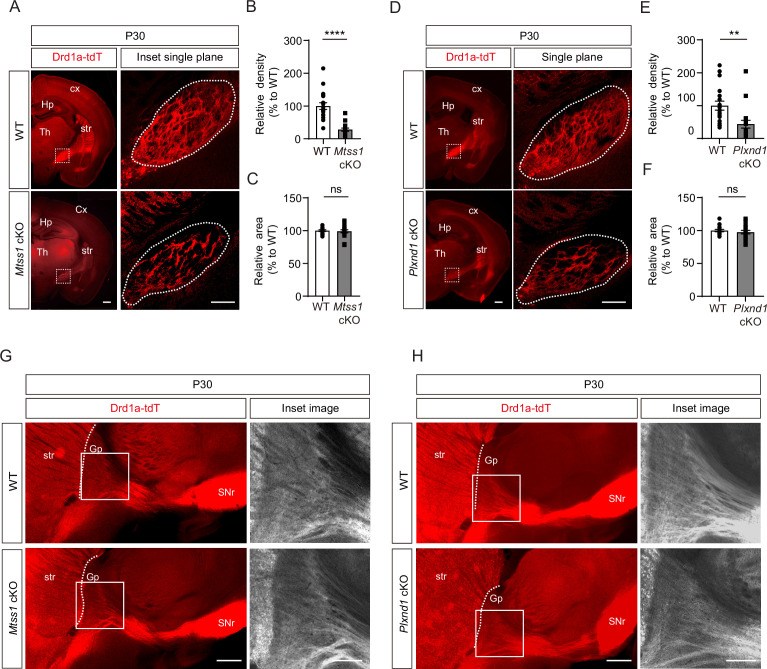
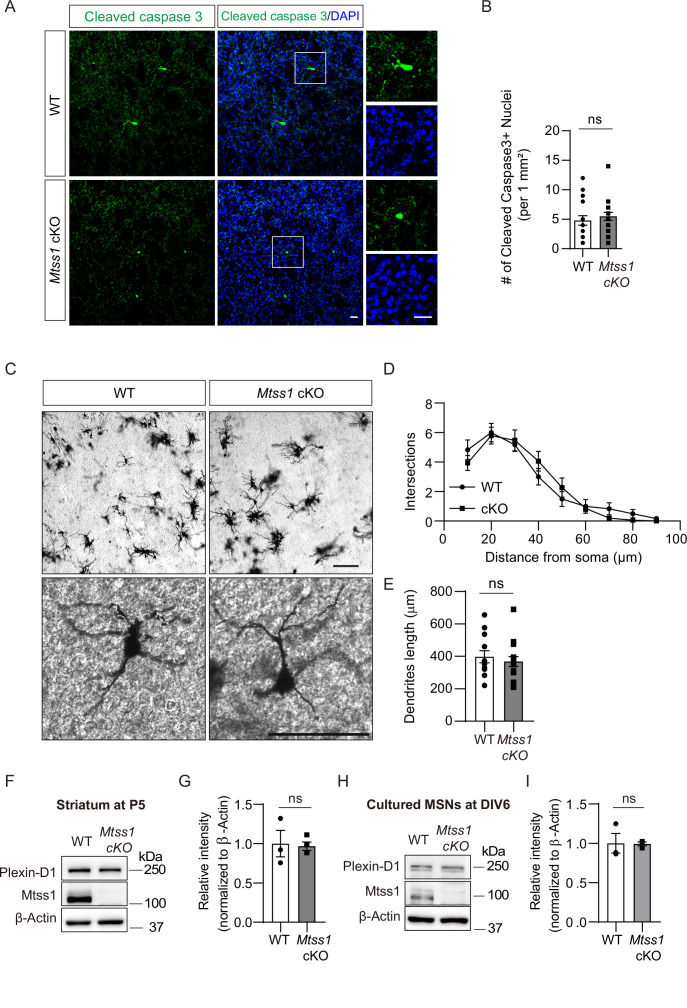
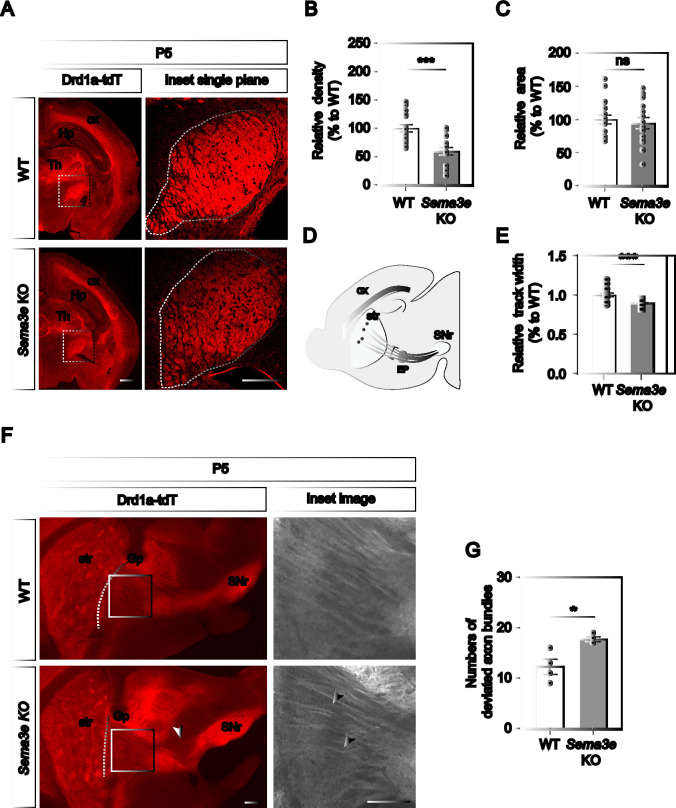
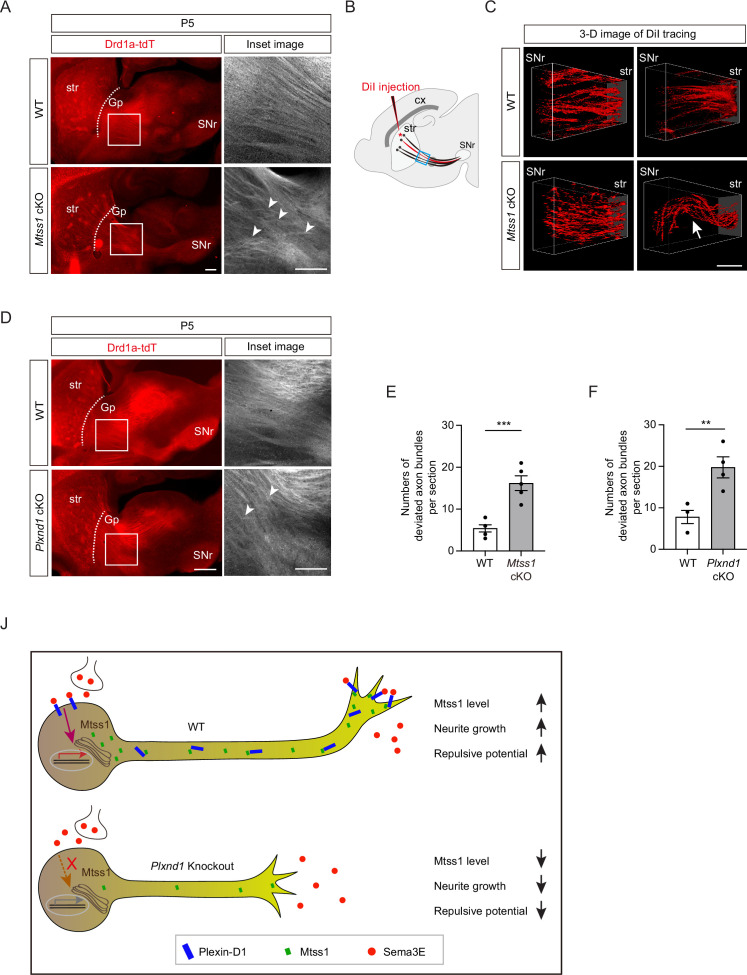
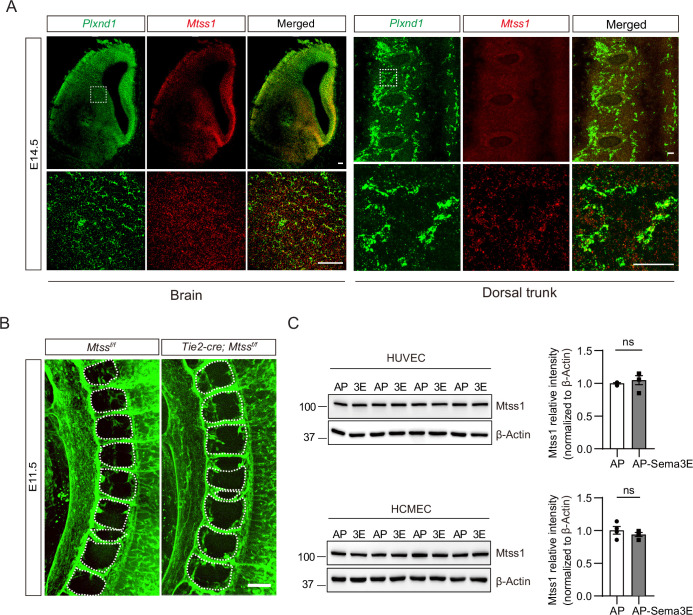
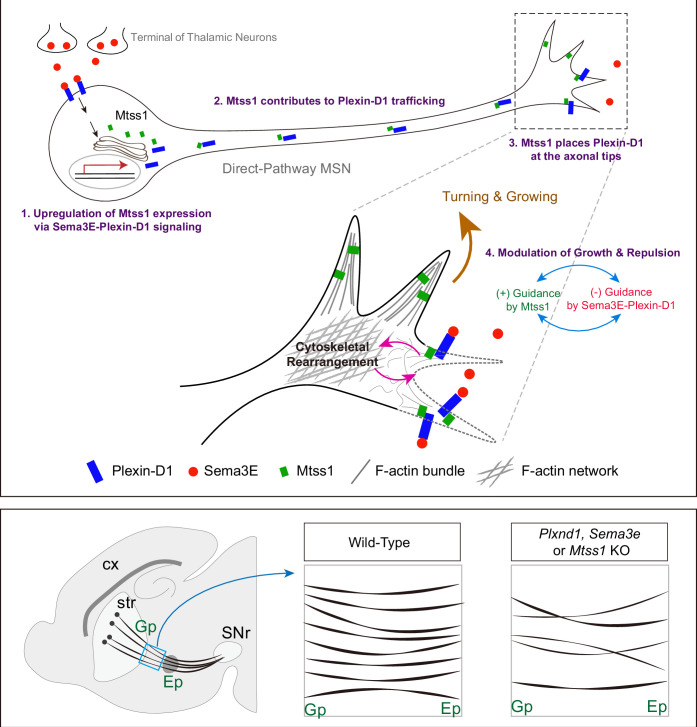
Axon guidance molecules are critical for neuronal pathfinding because they regulate directionality and growth pace during nervous system development. However, the molecular mechanisms coordinating proper axonal extension and turning are poorly understood. Here, metastasis suppressor 1 (Mtss1), a membrane protrusion protein, ensured axonal extension while sensitizing axons to the Semaphorin 3E (Sema3E)-Plexin-D1 repulsive cue. Sema3E-Plexin-D1 signaling enhanced Mtss1 expression in projecting striatonigral neurons. Mtss1 localized to the neurite axonal side and regulated neurite outgrowth in cultured neurons. Mtss1 also aided Plexin-D1 trafficking to the growth cone, where it signaled a repulsive cue to Sema3E. Mtss1 ablation reduced neurite extension and growth cone collapse in cultured neurons. Mtss1-knockout mice exhibited fewer striatonigral projections and irregular axonal routes, and these defects were recapitulated in Plxnd1- or Sema3e-knockout mice. These findings demonstrate that repulsive axon guidance activates an exquisite autoregulatory program coordinating both axonal extension and steering during neuronal pathfinding.
Keywords: Mtss1; Plexin-D1; Semaphorin 3E; axon guidance; basal ganglia development; developmental biology; mouse.
© 2024, Kim, Li et al.
Conflict of interest statement
NK, YL, RY, HK, AS, MJ, JJ, JL, HL, MK, JK, WO No competing interests declared
Figures

Update of
References
MeSH terms
Substances
Associated data
- Actions
Grants and funding
LinkOut - more resources
Full Text Sources
Molecular Biology Databases
Research Materials
