


The technology of polychrome glazed ceramics in Ifriqiya: new data from the site of Chimtou
- PMID: 38529512
- PMCID: PMC10960904
- DOI: 10.1007/s12520-024-01974-x
The technology of polychrome glazed ceramics in Ifriqiya: new data from the site of Chimtou
Abstract
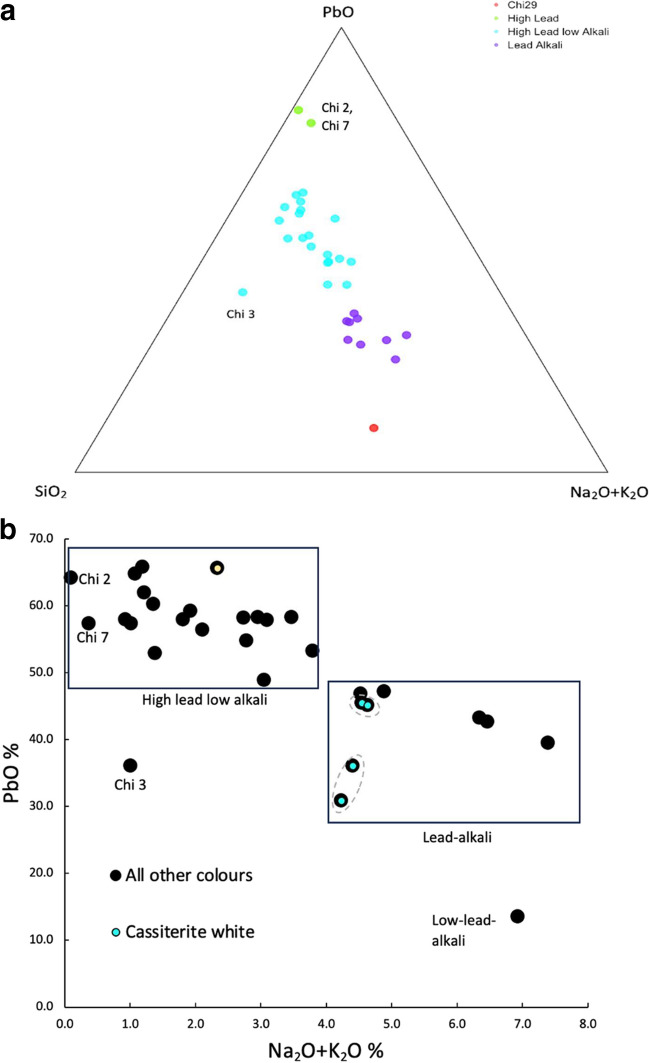
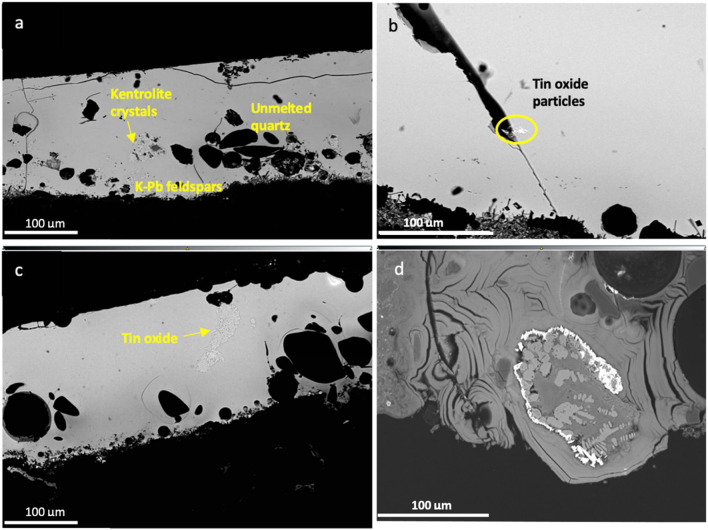
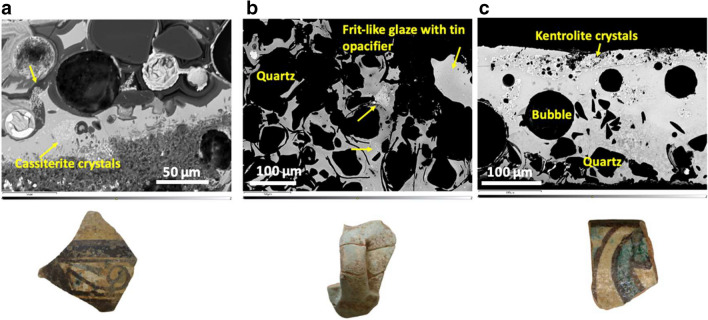
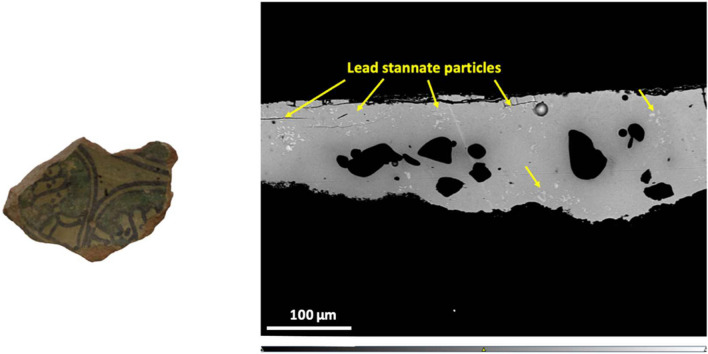
Ifriqiya (roughly Tunisia and eastern Algeria) is believed to have played a significant role in the diffusion of ceramic glazed technologies into other regions of the Western Mediterranean. However, due to limited analysis on North African glazed ceramics, its role in technology transfer remains poorly understood. This paper uses SEM-EDS and petrographic analyses to understand the technology employed in the production of Tunisian ceramics through the study of 30 polychrome glazed ceramics from a medieval settlement at the site of Chimtou (ancient Simitthus), Tunisia, dated to the late ninth-twelfth century. The results show that these are lead-rich glazes with varying contents of alkalis, coloured with copper, iron and manganese oxide and applied over a calcareous body. Opaque glazes were obtained using cassiterite crystals as opacifier or by adding crushed quartz. The use of lead stannate as a colourant and opacifier in one light yellow glaze raises questions about the mechanisms of introduction of tin opacification technology in North Africa. Scrap metal seems to have been used as a source of lead for the glazes; while iron slag was probably used as a source of iron to colour the glaze in one sample, pointing to a cross-craft interaction between glazemaking and metallurgy.
Supplementary information: The online version contains supplementary material available at 10.1007/s12520-024-01974-x.
Keywords: Cross-craft interaction; Glaze technology; Medieval Tunisia; Polychrome glazed ceramics; Recycling; Tin opacification.
© Crown 2024.
Conflict of interest statement
Competing interestsThe authors declare no competing interests.
Figures
References
-
- Andrews K (1997) From ceramic finishes to modes of production: Iron Age finewares from central France, in: Cumberpatch, C.G., Blinkhorn, P.W. (Eds.), Not so Much a Pot, More a Way of Life. Oxbow Monograph N 83, Oxford, pp 57–75
-
- Ardeleanu S, Chaouali M, Eck W, von Rummel P. Die frühkaiserzeitlichen Grabsteine aus Simitthus (Chimtou). Stilistisch-epigraphische Analyse und urbaner Kontext. Archäologischer Anzeiger. 2019;1:1–46.
-
- Ardizzone F, Pezzini E, Sacco V (2017) Aghlabid Palermo: a new reading of written sources and archaeological evidence., in: Anderson, G.D., Fenwick, C., Rosser-Owen, M. (Eds.), The Aghlabids and Their Neighbors: Art and Material Culture in Ninth-Century North Africa. Brill, Leiden, pp 362–381
-
- Barfod GH, Freestone IC, Lichtenberger A, Raja R, Schwarzer H. Geochemistry of Byzantine and Early Islamic glass from Jerash, Jordan: Typology, recycling, and provenance. Geoarchaeology. 2018;33:623–640. doi: 10.1002/gea.21684. - DOI
-
- Beck DM (2024) (in press). Marmor Numidicum. Gewinnung, Verarbeitung und Distribution eines antiken Buntmarmors. Simitthus VI. Reichert, Wiesbaden, Wiesbaden
LinkOut - more resources
Full Text Sources