


A Scoping Review of the Mechanisms Underlying Developmental Anesthetic Neurotoxicity
- PMID: 38536739
- PMCID: PMC11427602
- DOI: 10.1213/ANE.0000000000006897
A Scoping Review of the Mechanisms Underlying Developmental Anesthetic Neurotoxicity
Abstract
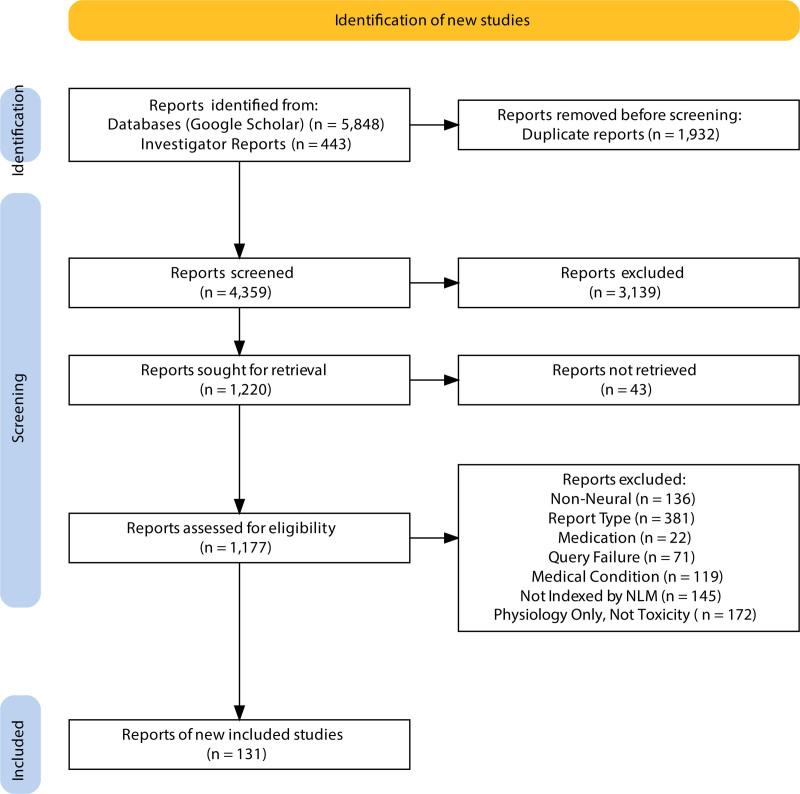
Although anesthesia makes painful or uncomfortable diagnostic and interventional health care procedures tolerable, it may also disrupt key cellular processes in neurons and glia, harm the developing brain, and thereby impair cognition and behavior in children. Many years of studies using in vitro, animal behavioral, retrospective database studies in humans, and several prospective clinical trials in humans have been invaluable in discerning the potential toxicity of anesthetics. The objective of this scoping review was to synthetize the evidence from preclinical studies for various mechanisms of toxicity across diverse experimental designs and relate their findings to those of recent clinical trials in real-world settings.
Copyright © 2024 The Author(s). Published by Wolters Kluwer Health, Inc. on behalf of the International Anesthesia Research Society.
Conflict of interest statement
The authors declare no conflicts of interest.
Figures
References
-
- Quimby KL, Katz J, Bowman RE. Behavioral consequences in rats from chronic exposure to 10 PPM halothane during early development. Anesth Analg. 1975;54:628–623. - PubMed
-
- Kalkman CJ, Bruens M. Behavior and development in children and age at the time of first anesthetic exposure. Anesthesiology. 2009;110(4):805–812. - PubMed
-
- Vutskits L, Culley DJ. GAS, PANDA, and MASK: no evidence of clinical anesthetic neurotoxicity! Anesthesiology. 2019;131:762–764. - PubMed
-
- Ing C, Zaccariello MJ, Kirsch AC, Li G, Warner DO. GAS, PANDA, and MASK: comment. Anesthesiology. 2020;132:1587–1588. - PubMed
Publication types
MeSH terms
Substances
Grants and funding
LinkOut - more resources
Full Text Sources
