


Menthol Pretreatment Alleviates Campylobacter jejuni-Induced Enterocolitis in Human Gut Microbiota-Associated IL-10-/- Mice
- PMID: 38540710
- PMCID: PMC10968592
- DOI: 10.3390/biom14030290
Menthol Pretreatment Alleviates Campylobacter jejuni-Induced Enterocolitis in Human Gut Microbiota-Associated IL-10-/- Mice
Abstract
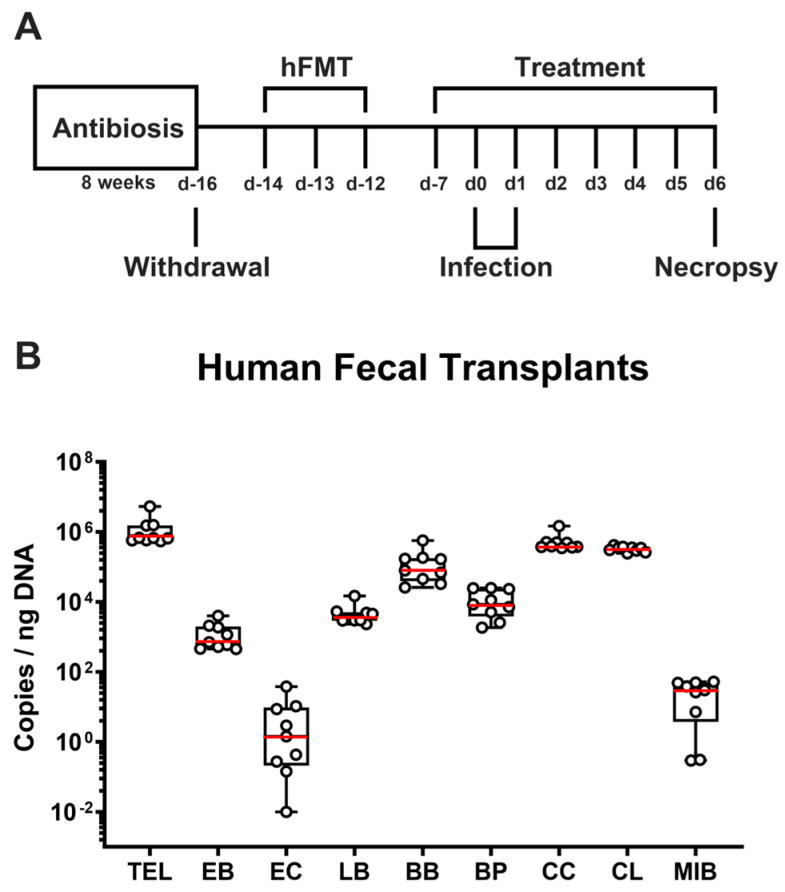
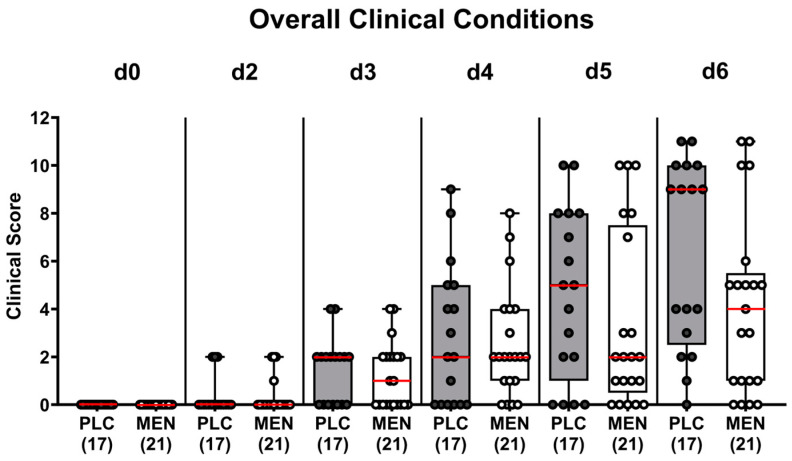
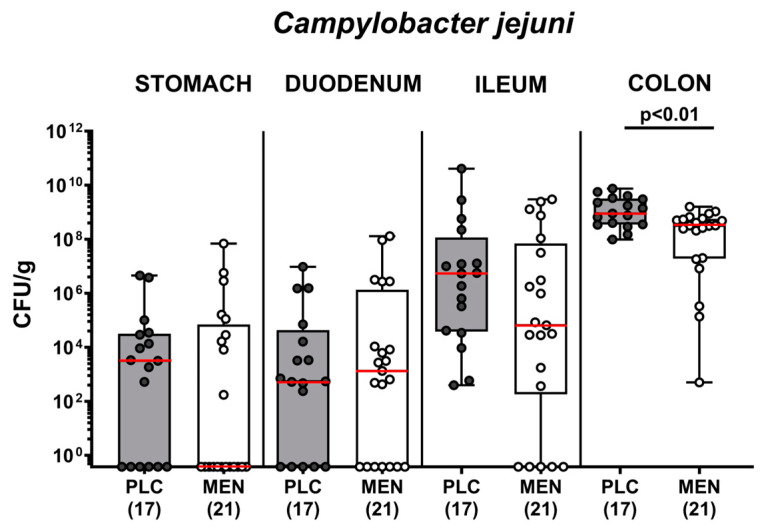
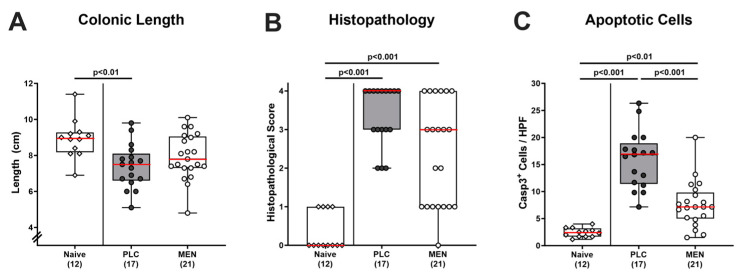
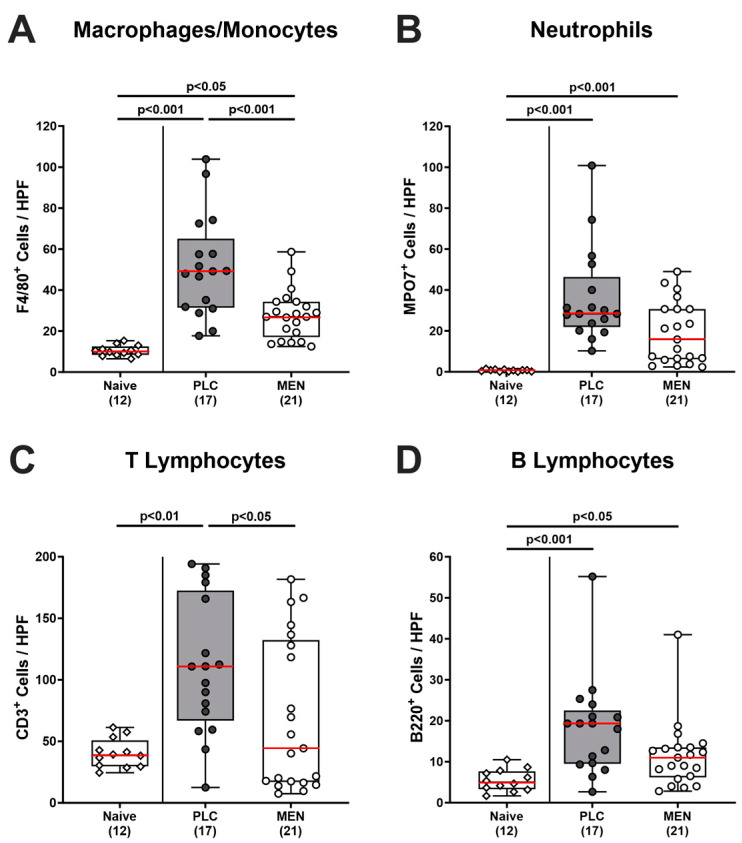
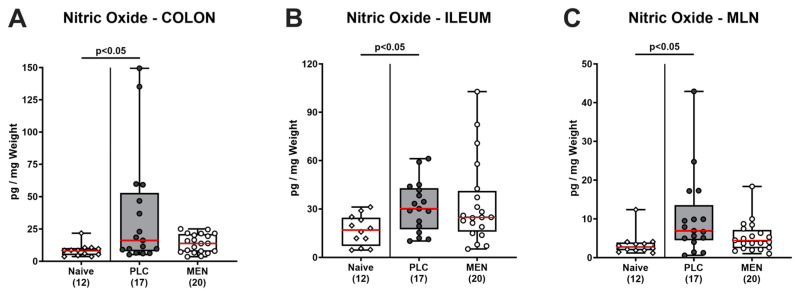
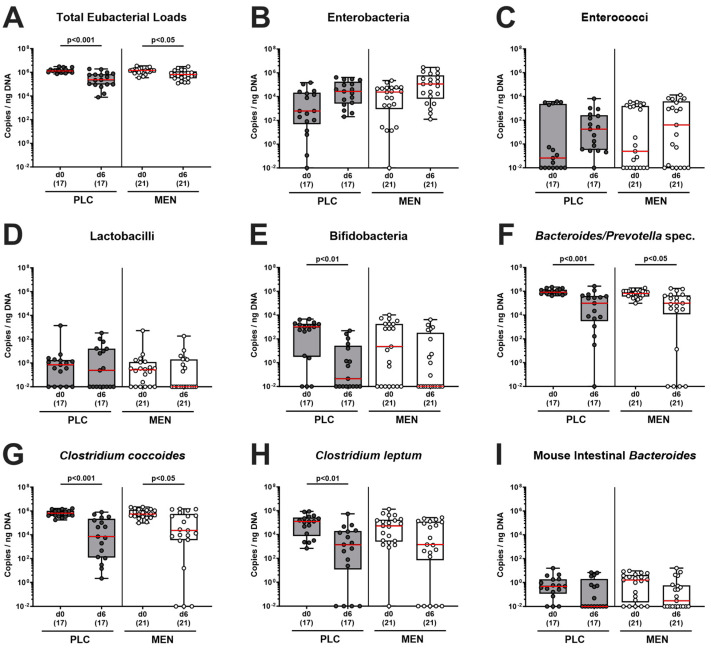
Human Campylobacter jejuni infections are of worldwide importance and represent the most commonly reported bacterial enteritis cases in middle- and high-income countries. Since antibiotics are usually not indicated and the severity of campylobacteriosis is directly linked to the risk of developing post-infectious complications, non-toxic antibiotic-independent treatment approaches are highly desirable. Given its health-promoting properties, including anti-microbial and anti-inflammatory activities, we tested the disease-alleviating effects of oral menthol in murine campylobacteriosis. Therefore, human gut microbiota-associated IL-10-/- mice were orally subjected to synthetic menthol starting a week before C. jejuni infection and followed up until day 6 post-infection. Whereas menthol pretreatment did not improve campylobacteriosis symptoms, it resulted in reduced colonic C. jejuni numbers and alleviated both macroscopic and microscopic aspects of C. jejuni infection in pretreated mice vs. controls. Menthol pretreatment dampened the recruitment of macrophages, monocytes, and T lymphocytes to colonic sites of infection, which was accompanied by mitigated intestinal nitric oxide secretion. Furthermore, menthol pretreatment had only marginal effects on the human fecal gut microbiota composition during the C. jejuni infection. In conclusion, the results of this preclinical placebo-controlled intervention study provide evidence that menthol application constitutes a promising way to tackle acute campylobacteriosis, thereby reducing the risk for post-infectious complications.
Keywords: Campylobacter jejuni; anti-oxidant effects; campylobacteriosis model; host-pathogen interaction; human gut microbiota-associated IL-10−/− mice; immune-modulatory properties; menthol; placebo-controlled preclinical intervention study; pretreatment.
Conflict of interest statement
The funders had no role in the design of the study; in the collection, analyses, or interpretation of data; in the writing of the manuscript; or in the decision to publish the results.
Figures
References
-
- Oyarzabal O.A., Backert S. Microbial Food Safety. Springer; Berlin/Heidelberg, Germany: 2012. Food Safety Resources; pp. 235–239.
MeSH terms
Substances
Grants and funding
LinkOut - more resources
Full Text Sources
Medical
