


Comparable rates of lumbar disc degeneration at long-term following adolescent idiopathic scoliosis spinal fusion extended to L3 or L4: systematic review and meta-analysis
- PMID: 38546965
- PMCID: PMC11217089
- DOI: 10.1007/s43390-024-00849-4
Comparable rates of lumbar disc degeneration at long-term following adolescent idiopathic scoliosis spinal fusion extended to L3 or L4: systematic review and meta-analysis
Abstract
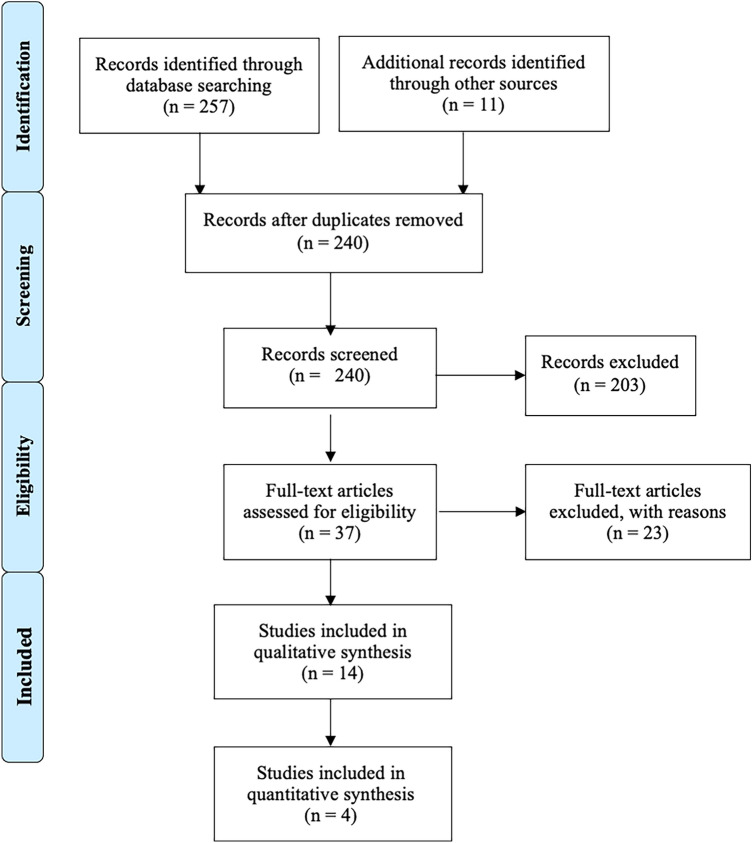
Purpose: Surgical treatment of adolescent idiopathic scoliosis (AIS) requires a careful choice of fusion levels. The usual recommendation for the selection of the lowest instrumented vertebra (LIV) for double major or thoracolumbar/lumbar (TL/L) curves falls on L3 or L4. The aim of the present study is to assess if the spinal fusion with LIV selection of L3 or L4 in AIS patients has a clinical or radiological impact in terms of degenerative disc disease (DDD) in distal unfused segments at long-term follow-up.
Methods: A systematic search of electronic databases from eligible articles was conducted. Only studies regarding long-term follow-up of AIS patients treated with spinal fusion were included. Clinical and radiographic outcomes were extracted and summarized. Meta-analysis on long-term follow-up MRI studies was performed. p value < 0.05 was considered significant.
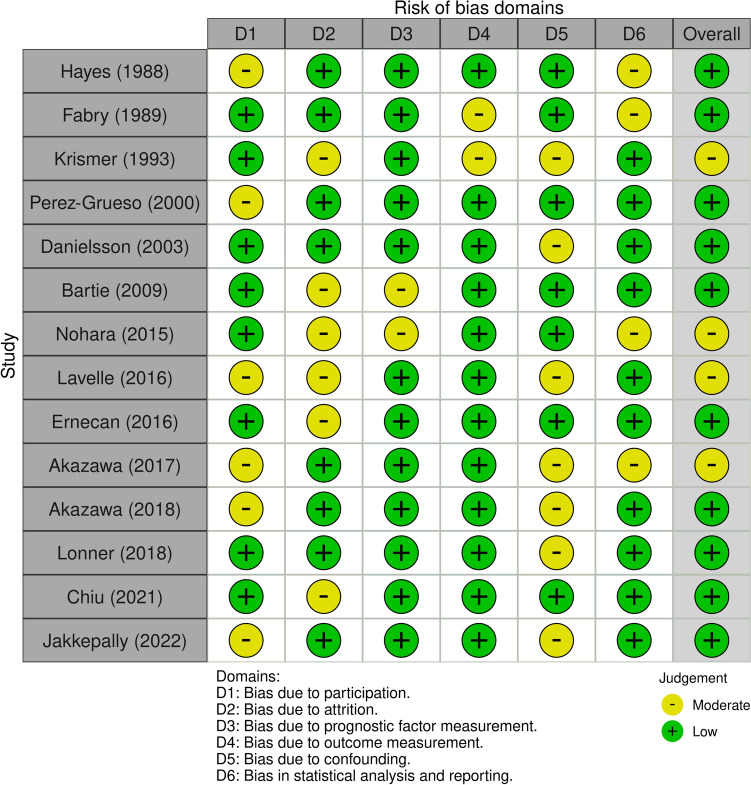
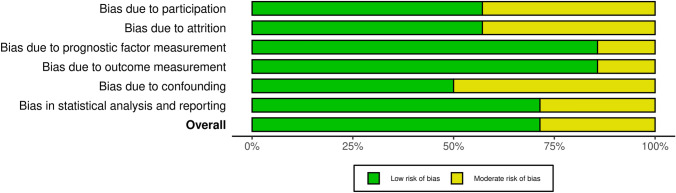
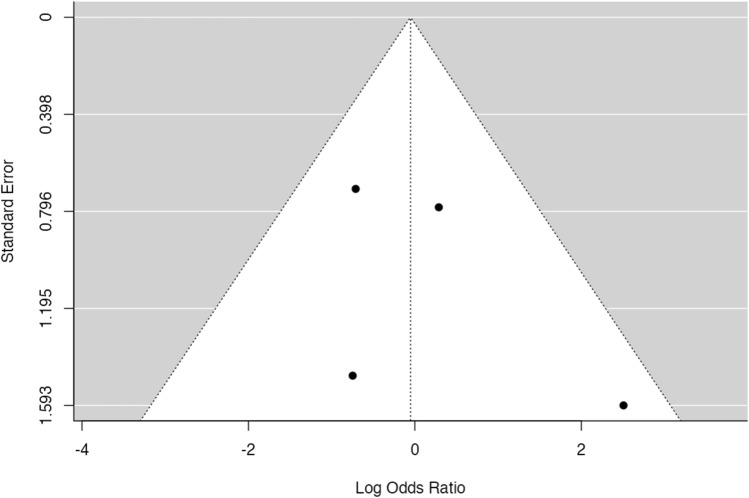
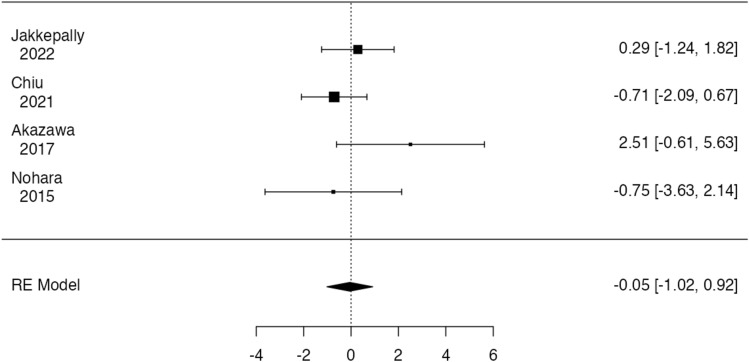
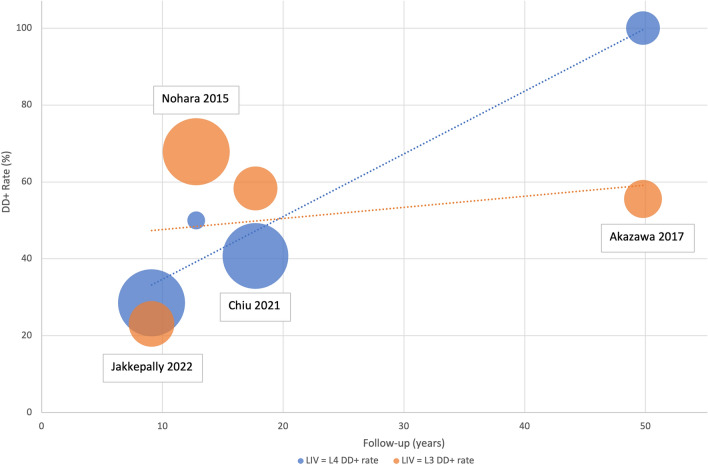
Results: Fourteen studies were included, for a total of 1264 patients. Clinical assessment of included patients showed a slight tendency to have worse clinical outcomes if spinal fusion is extended to L4 rather than L3. Despite that, meta-analysis could not be performed on clinical parameters because of heterogeneity of evaluated PROMs in included studies. Magnetic resonance imaging (MRI) evaluation at long-term follow-up showed no significant difference in terms of disc degeneration rate at overall meta-analysis (p = 0.916) between patients fused to L3 and L4.
Conclusion: The LIV selection of L3 rather than L4, according to current literature, does not prevent disc degeneration in distal unfused segments over the long term. Long-term studies of patients treated with contemporary spinal instrumentation are needed.
Keywords: Adjacent segment disease; Adolescent idiopathic scoliosis; Degenerative disc disease; LIV; Pedicle screw; Spinal fusion.
© 2024. The Author(s).
Conflict of interest statement
The authors have no relevant financial or non-financial interests to disclose.
Figures
References
Publication types
MeSH terms
LinkOut - more resources
Full Text Sources
Medical
Research Materials