


Painless Thyroiditis by Withania somnifera (Ashwagandha)
- PMID: 38559552
- PMCID: PMC10981964
- DOI: 10.7759/cureus.55352
Painless Thyroiditis by Withania somnifera (Ashwagandha)
Abstract
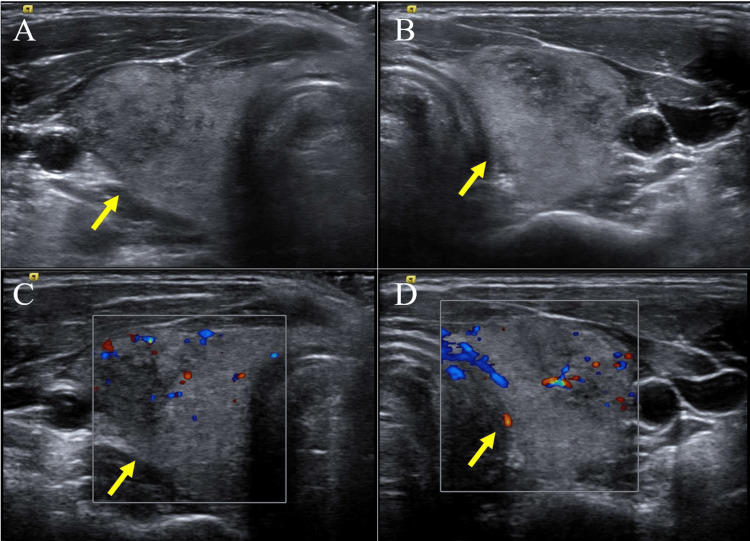
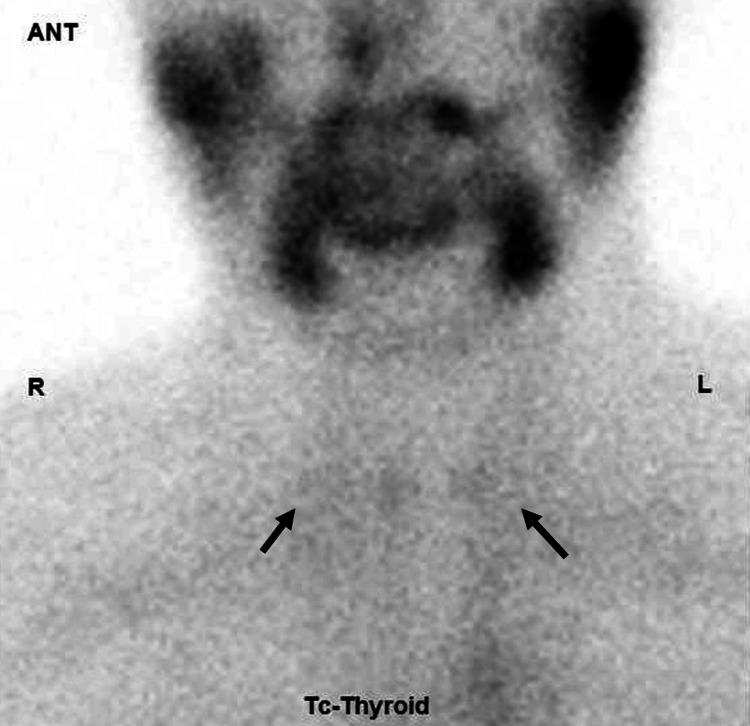
The Withania somnifera, also called Ashwagandha, is available everywhere in the world. We present a rare case of thyrotoxicosis following Ashwagandha administration, specifically painless thyroiditis (PT) in this report. The patient was a 47-year-old previously healthy Japanese man, who started taking Ashwagandha two months before his first visit to our hospital. He visited our hospital for typical thyrotoxicosis symptoms like a sense of fatigue, fever at night, and weight loss followed by diarrhea and headache. Blood tests disclosed thyrotoxicosis. Thyroid ultrasonography showed internal echo heterogeneity and no increase in blood flow. Thyroid scintigraphy revealed a deficiency in thyroid uptake. Based on these findings, he was diagnosed as PT. After stopping the administration of Ashwagandha, both his symptoms and serum thyroid markers were improved. This report may spark important debate about whether ashwagandha is safe among healthy people, especially in thyroid toxicity.
Keywords: ashwagandha (withania somnifera); drug-induced thyrotoxicosis; painless thyroiditis; subacute lymphocytic thyroiditis; thyrotoxicosis.
Copyright © 2024, Hayashi et al.
Conflict of interest statement
The authors have declared that no competing interests exist.
Figures

References
-
- Shahid MA, Ashraf MA, Sharma S. Treasure Island, FL: StatPearls Publishing; 2024. Physiology, Thyroid Hormone. - PubMed
-
- Thyrotoxicosis: diagnosis and management. Sharma A, Stan MN. Mayo Clin Proc. 2019;94:1048–1064. - PubMed
-
- Thyroiditis: Differential diagnosis and management. Slatosky J, Shipton B, Wahba H. https://www.aafp.org/pubs/afp/issues/2000/0215/p1047.html. Am Fam Physician. 2000;61:1047–1052. - PubMed
Publication types
LinkOut - more resources
Full Text Sources