


Anna Karenina as a promoter of microbial diversity in the cosmopolitan agricultural pest Zeugodacus cucurbitae (Diptera, Tephritidae)
- PMID: 38568989
- PMCID: PMC10990204
- DOI: 10.1371/journal.pone.0300875
Anna Karenina as a promoter of microbial diversity in the cosmopolitan agricultural pest Zeugodacus cucurbitae (Diptera, Tephritidae)
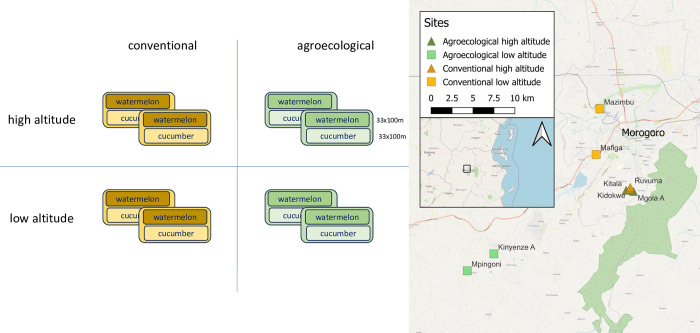
Abstract
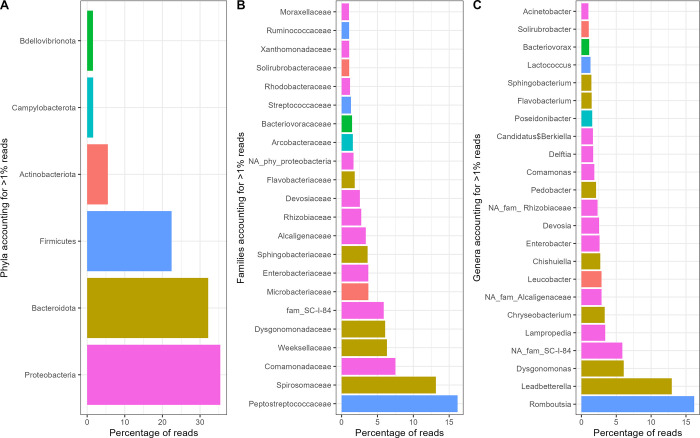
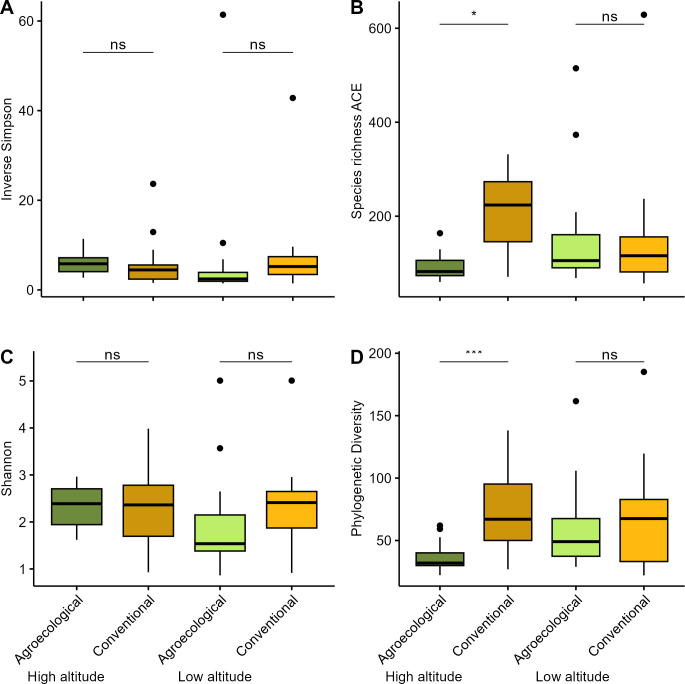
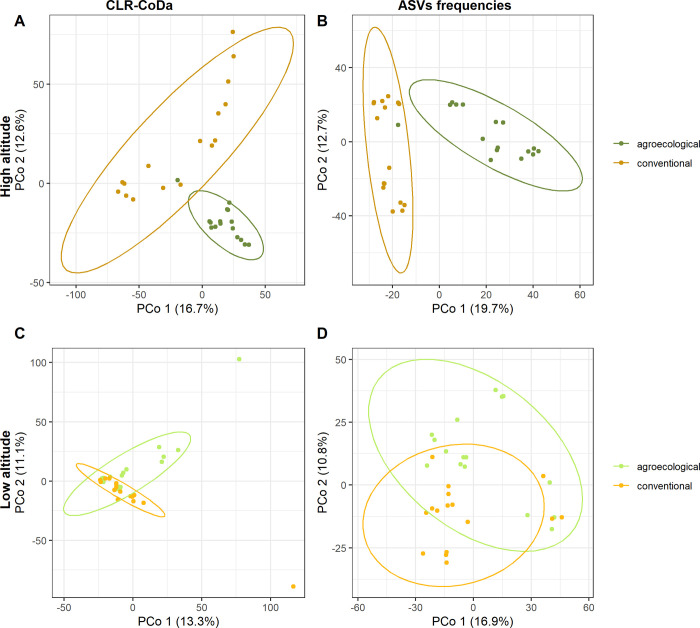
Gut microbial communities are critical in determining the evolutive success of fruit fly phytophagous pests (Diptera, Tephritidae), facilitating their adaptation to suboptimal environmental conditions and to plant allelochemical defences. An important source of variation for the microbial diversity of fruit flies is represented by the crop on which larvae are feeding. However, a "crop effect" is not always the main driver of microbial patterns, and it is often observed in combination with other and less obvious processes. In this work, we aim at verifying if environmental stress and, by extension, changing environmental conditions, can promote microbial diversity in Zeugodacus cucurbitae (Coquillett), a cosmopolitan pest of cucurbit crops. With this objective, 16S rRNA metabarcoding was used to test differences in the microbial profiles of wild fly populations in a large experimental setup in Eastern Central Tanzania. The analysis of 2,973 unique ASV, which were assigned to 22 bacterial phyla, 221 families and 590 putative genera, show that microbial α diversity (as estimated by Abundance Coverage Estimator, Faith's Phylogenetic Diversity, Shannon-Weiner and the Inverse Simpson indexes) as well as β microbial diversity (as estimated by Compositional Data analysis of ASVs and of aggregated genera) significantly change as the species gets closer to its altitudinal limits, in farms where pesticides and agrochemicals are used. Most importantly, the multivariate dispersion of microbial patterns is significantly higher in these stressful environmental conditions thus indicating that Anna Karenina effects contribute to the microbial diversity of Z. cucurbitae. The crop effect was comparably weaker and detected as non-consistent changes across the experimental sites. We speculate that the impressive adaptive potential of polyphagous fruit flies is, at least in part, related to the Anna Karenina principle, which promotes stochastic changes in the microbial diversity of fly populations exposed to suboptimal environmental conditions.
Copyright: © 2024 Mullens et al. This is an open access article distributed under the terms of the Creative Commons Attribution License, which permits unrestricted use, distribution, and reproduction in any medium, provided the original author and source are credited.
Conflict of interest statement
The authors have declared that no competing interests exist.
Figures
References
-
- FAO/IAEA. General guidelines to facilitate the opening of international markets for fruits and ve- getables that are fruit fly hosts based on International Standards for Phytosanitary Measures. Vienna; 2022. doi: 10.5005/jp/books/11575_9 - DOI
MeSH terms
Substances
LinkOut - more resources
Full Text Sources
