


Navigating tumor angiogenesis: therapeutic perspectives and myeloid cell regulation mechanism
- PMID: 38580870
- PMCID: PMC11303583
- DOI: 10.1007/s10456-024-09913-z
Navigating tumor angiogenesis: therapeutic perspectives and myeloid cell regulation mechanism
Abstract
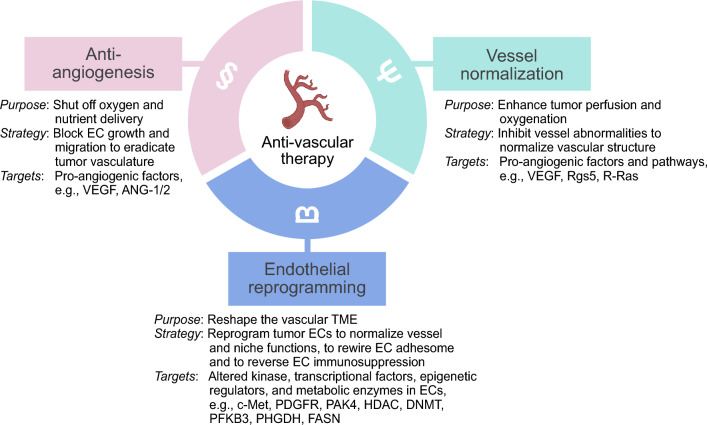
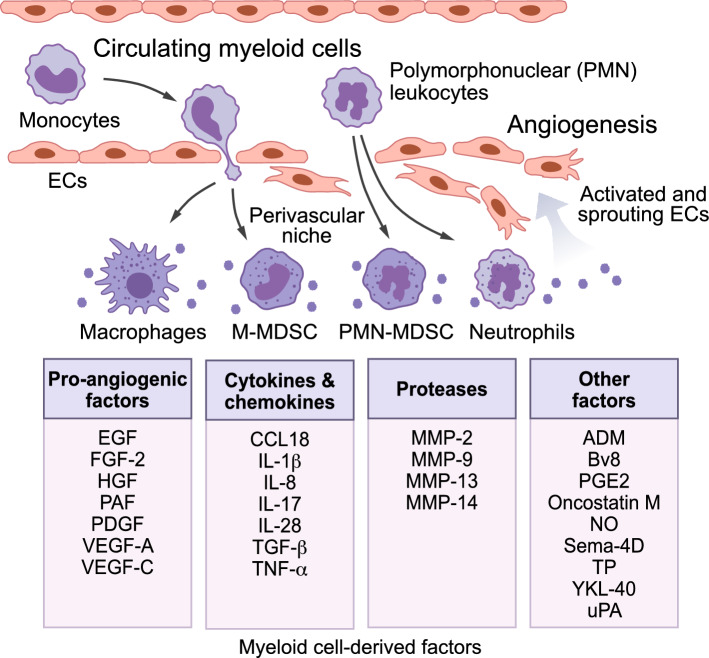
Sustained angiogenesis stands as a hallmark of cancer. The intricate vascular tumor microenvironment fuels cancer progression and metastasis, fosters therapy resistance, and facilitates immune evasion. Therapeutic strategies targeting tumor vasculature have emerged as transformative for cancer treatment, encompassing anti-angiogenesis, vessel normalization, and endothelial reprogramming. Growing evidence suggests the dynamic regulation of tumor angiogenesis by infiltrating myeloid cells, such as macrophages, myeloid-derived suppressor cells (MDSCs), and neutrophils. Understanding these regulatory mechanisms is pivotal in paving the way for successful vasculature-targeted cancer treatments. Therapeutic interventions aimed to disrupt myeloid cell-mediated tumor angiogenesis may reshape tumor microenvironment and overcome tumor resistance to radio/chemotherapy and immunotherapy.
Keywords: Anti-angiogenic therapy; Endothelial reprogramming; Immunotherapy; MDSCs; Macrophages; Neutrophils; Radiochemotherapy; Therapy resistance; Tumor angiogenesis; Vessel normalization.
© 2024. The Author(s).
Conflict of interest statement
The authors declare no competing interests.
Figures
References
Publication types
MeSH terms
Grants and funding
LinkOut - more resources
Full Text Sources
Medical
