


"Nobody Wants to Have Conversation About HIV." A Thematic Analysis of in-Depth Interviews With Black Adolescent Women and Providers About Strategies for Discussing Sexual Health and HIV Prevention
- PMID: 38597652
- PMCID: PMC11182704
- DOI: 10.1097/OLQ.0000000000001972
"Nobody Wants to Have Conversation About HIV." A Thematic Analysis of in-Depth Interviews With Black Adolescent Women and Providers About Strategies for Discussing Sexual Health and HIV Prevention
Abstract
Background: Black adolescent girls and young women (AGYW) in the US Southeast are disproportionately burdened by HIV. Infrequent assessment of sexual health in clinical encounters may contribute to low preexposure prophylaxis uptake for this population. This study explores Black AGYW and providers' perspectives on engaging in discussions about sexual health, including preexposure prophylaxis.
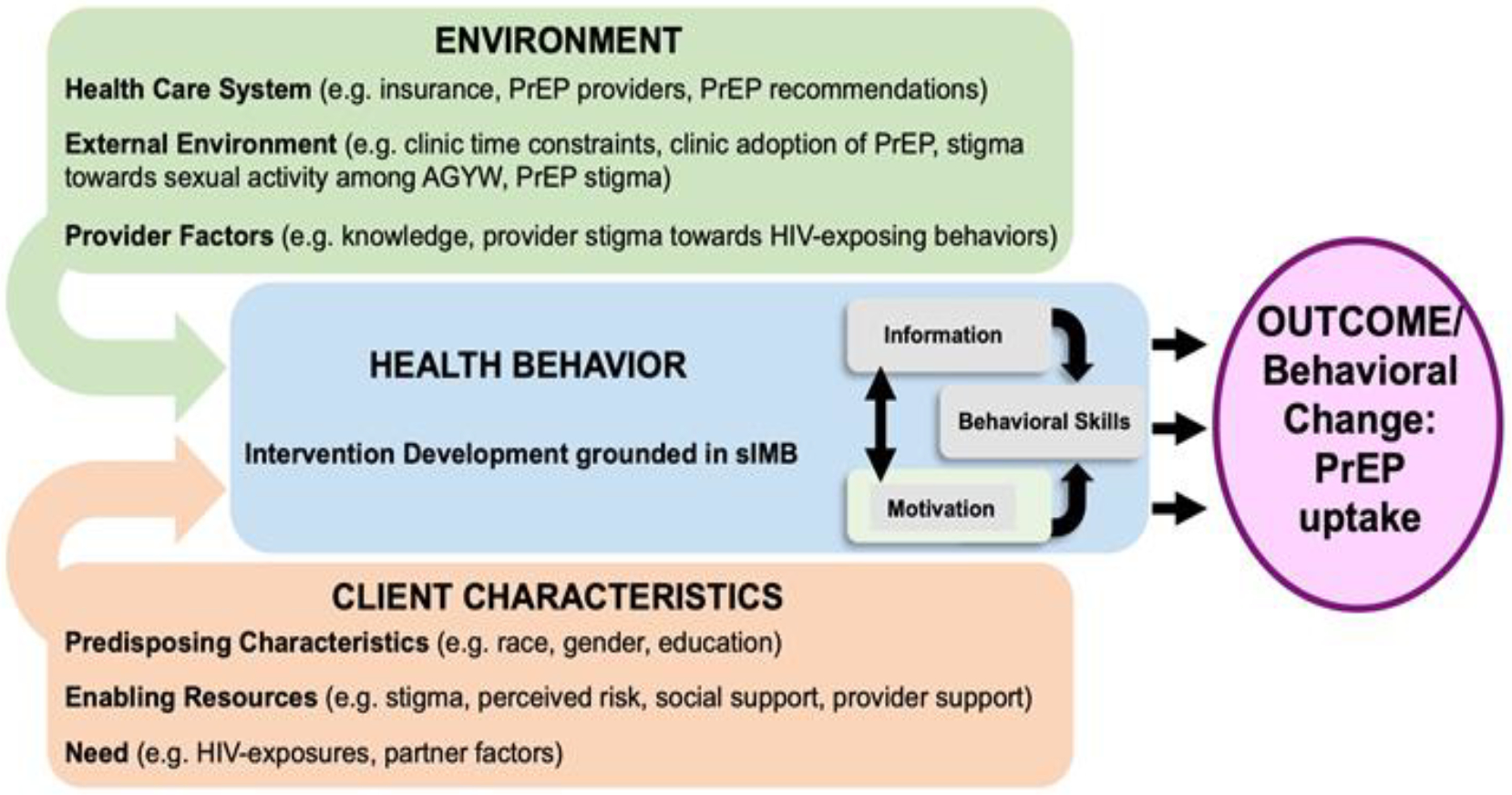
Methods: In-depth interviews (IDIs) were conducted with Black AGYW aged 14 to 24 years and health care providers (MD, DO, NP, PA) who self-reported caring for Black AGYWs in Alabama. In-depth interviews were grounded in Andersen's Behavioral Model of Health Service Utilization to explore barriers and facilitators to sexual health discussions. After separate analyses, AGYW and provider IDIs were aggregated and reanalyzed using thematic analysis to identify themes related to their views on ways to improve Black AGYW engagement in sexual health discussions while in clinical settings.
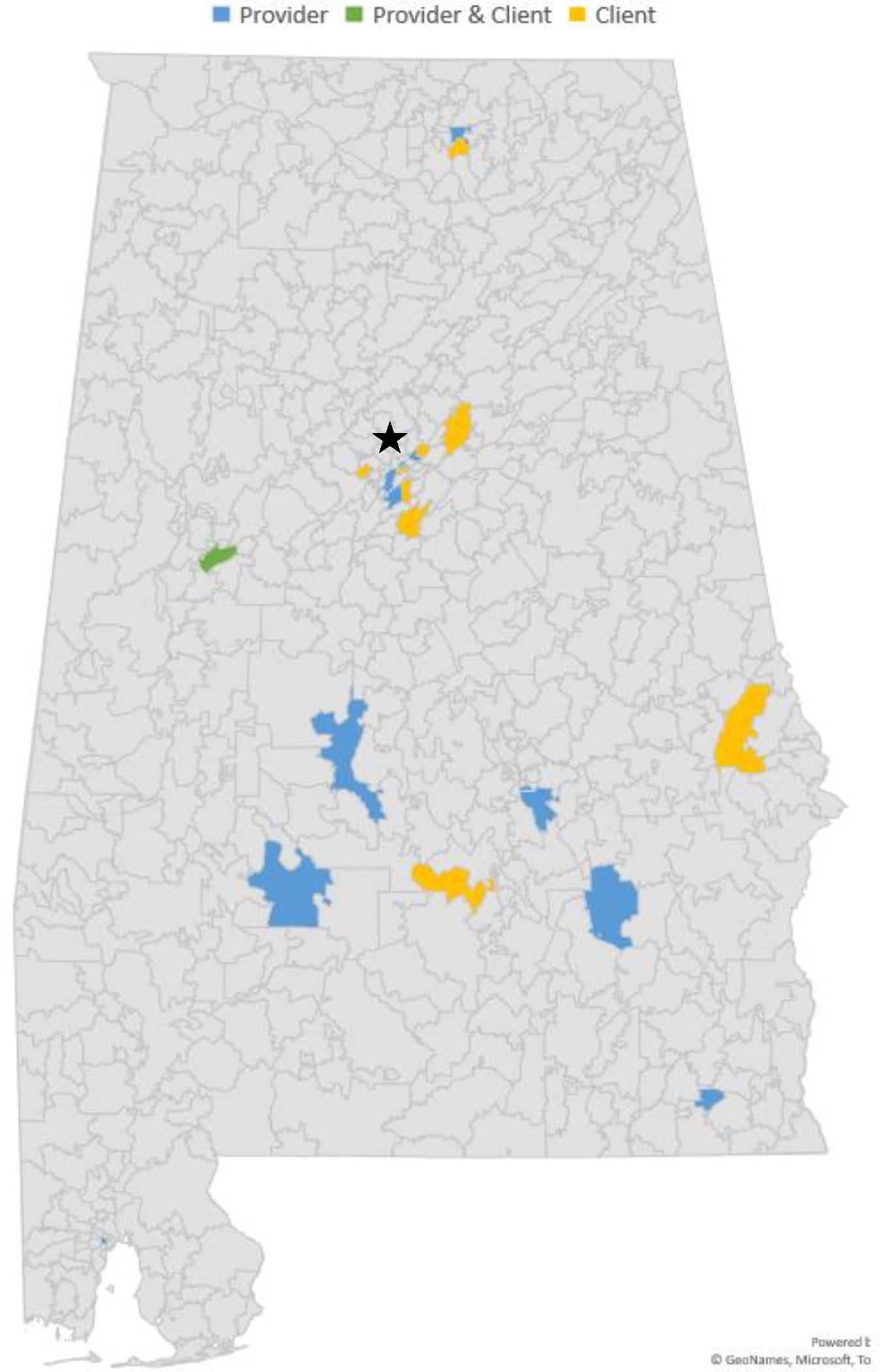
Results: Twelve Black AGYW and 11 providers completed IDIs. Client median age was 21 years, representing 9 Alabama counties. Providers were predominately non-Hispanic White (82%), female (73%), and physicians (64%). Themes about ways to improve sexual health discussions included the following: (1) improve sexual health education for providers and adolescents, (2) normalize conversations in clinical settings, and (3) engage communities to continue these conversations outside of clinical settings.
Conclusions: Sexual health and HIV prevention discussions with Black AGYW are not occurring. This study is one of the first to identify and highlight Black AGYW and provider-identified shared strategies for improving these discussions. Operationalizing these strategies is crucial to facilitating these discussions.
Copyright © 2024 American Sexually Transmitted Diseases Association. All rights reserved.
Conflict of interest statement
Conflict of Interest and Sources of Support: The authors have no conflicts of interest to disclose.
Figures
References
-
- 2019 State of Alabama HIV Surveillance Annual Report. Available at: https://www.alabamapublichealth.gov/hiv/assets/hivsurveillanceannualrepo.... Accessed February 2, 2023.
-
- Ending the HIV Epidemic in the U.S. (EHE). Available at: https://www.cdc.gov/endhiv/index.html. Accessed June 11, 2023.
-
- Prevention of Human Immunodeficiency Virus (HIV) Infection: Preexposure Prophylaxis. Available at: https://www.uspreventiveservicestaskforce.org/uspstf/recommendation/prev.... Accessed September 9, 2023.
-
- Magnuson D Hawkins T, Mera R. Adolescent Use of Truvada (FTC/TDF) for HIV Pre-exposure Prophylaxis (PrEP) in the United States: (2012–2017). In 22nd International AIDS Conference2018.
-
- Hill SV, Westfall AO, Coyne-Beasley T, et al. Identifying Missed Opportunities for Human Immunodeficiency Virus Pre-exposure Prophylaxis During Preventive Care and Reproductive Visits in Adolescents in the Deep South. Sex Transm Dis. 2020;47(2):88–95. - PubMed
Publication types
MeSH terms
Grants and funding
LinkOut - more resources
Full Text Sources
Medical
Miscellaneous
