


Carbapenem-resistant Gram-negative bacteria (CR-GNB) in ICUs: resistance genes, therapeutics, and prevention - a comprehensive review
- PMID: 38601497
- PMCID: PMC11004409
- DOI: 10.3389/fpubh.2024.1376513
Carbapenem-resistant Gram-negative bacteria (CR-GNB) in ICUs: resistance genes, therapeutics, and prevention - a comprehensive review
Abstract
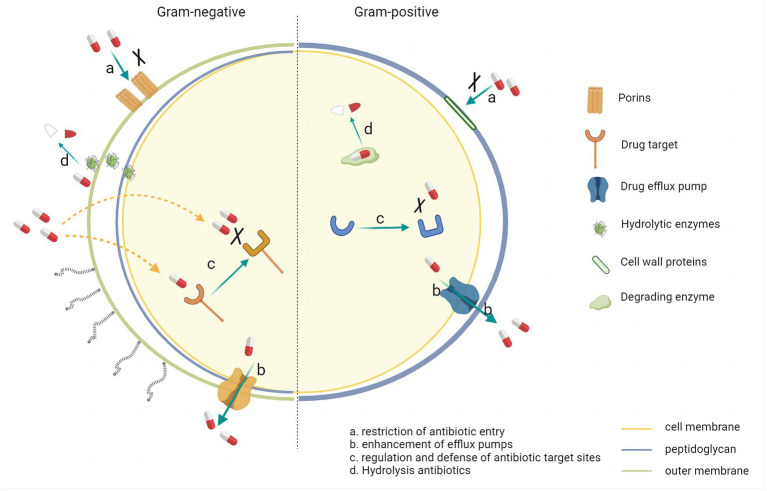
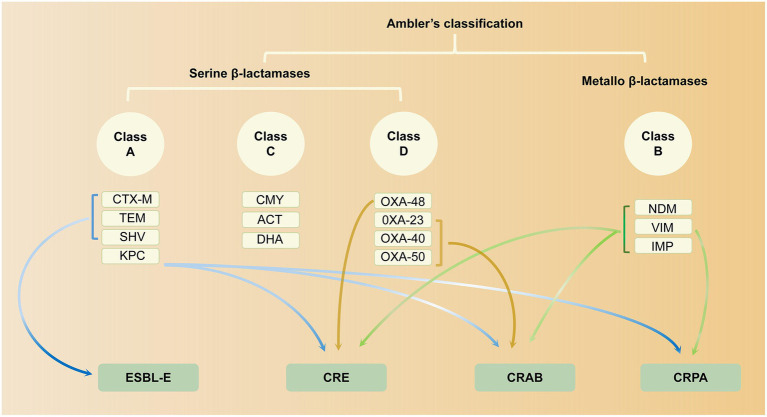
Intensive care units (ICUs) are specialized environments dedicated to the management of critically ill patients, who are particularly susceptible to drug-resistant bacteria. Among these, carbapenem-resistant Gram-negative bacteria (CR-GNB) pose a significant threat endangering the lives of ICU patients. Carbapenemase production is a key resistance mechanism in CR-GNB, with the transfer of resistance genes contributing to the extensive emergence of antimicrobial resistance (AMR). CR-GNB infections are widespread in ICUs, highlighting an urgent need for prevention and control measures to reduce mortality rates associated with CR-GNB transmission or infection. This review provides an overview of key aspects surrounding CR-GNB within ICUs. We examine the mechanisms of bacterial drug resistance, the resistance genes that frequently occur with CR-GNB infections in ICU, and the therapeutic options against carbapenemase genotypes. Additionally, we highlight crucial preventive measures to impede the transmission and spread of CR-GNB within ICUs, along with reviewing the advances made in the field of clinical predictive modeling research, which hold excellent potential for practical application.
Keywords: CR-GNB; ICU; genes; infection control strategies; mechanism; predictive model.
Copyright © 2024 Li, Zhou, Yang, Shen, Li, Zhang, Li, Li, Xie and Yang.
Conflict of interest statement
The authors declare that the research was conducted in the absence of any commercial or financial relationships that could be construed as a potential conflict of interest.
Figures
References
Publication types
MeSH terms
Substances
LinkOut - more resources
Full Text Sources
