


Tracing genetic diversity captures the molecular basis of misfolding disease
- PMID: 38637533
- PMCID: PMC11026414
- DOI: 10.1038/s41467-024-47520-0
Tracing genetic diversity captures the molecular basis of misfolding disease
Abstract
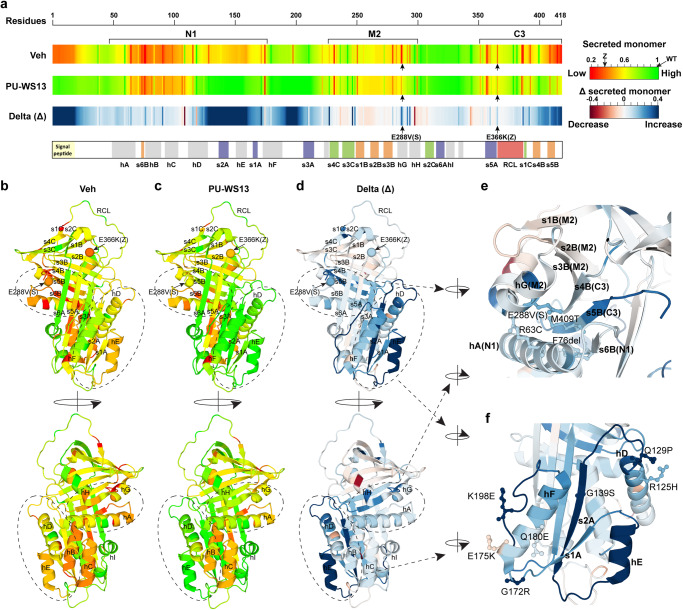
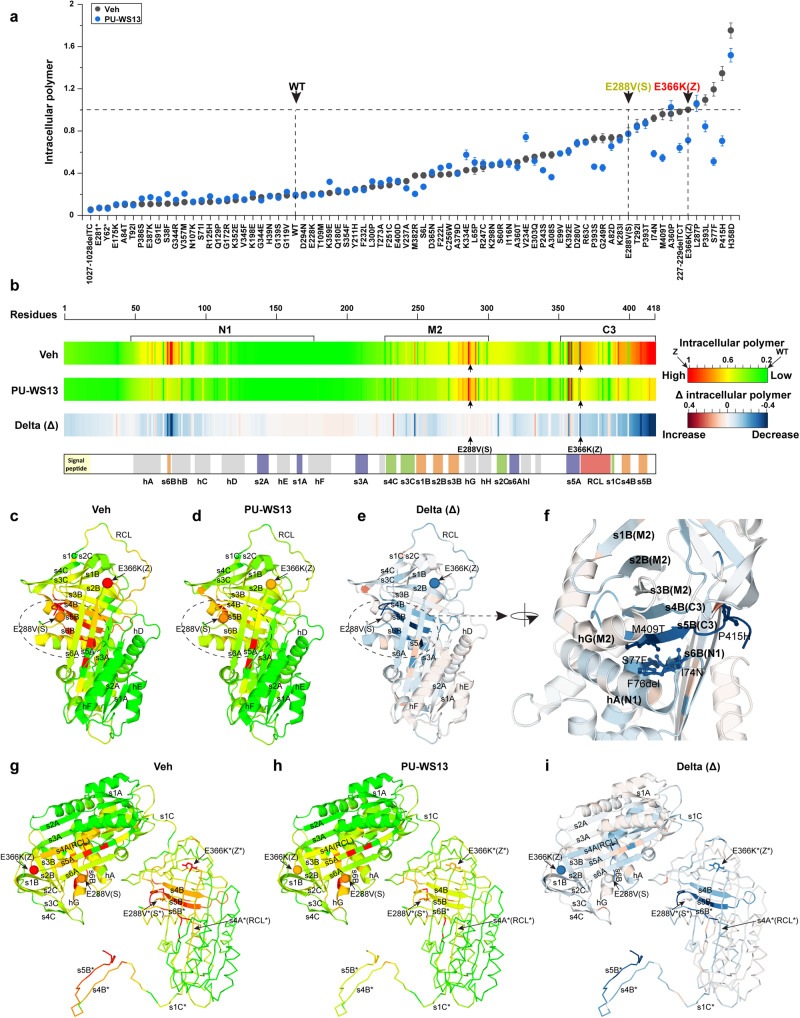
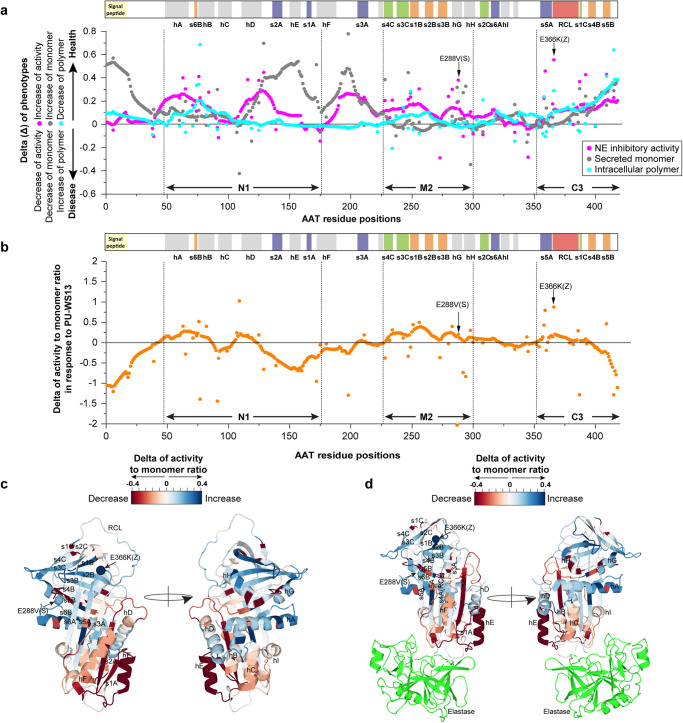
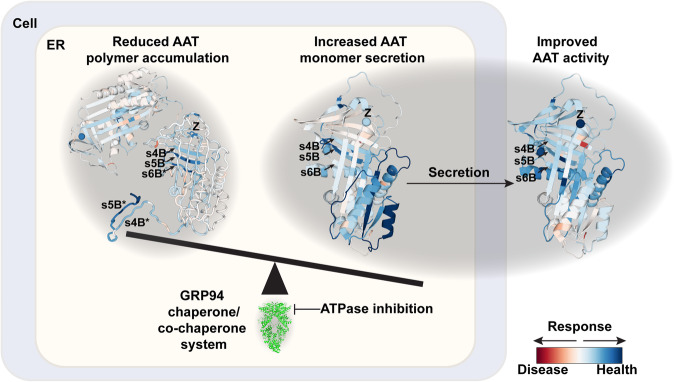
Genetic variation in human populations can result in the misfolding and aggregation of proteins, giving rise to systemic and neurodegenerative diseases that require management by proteostasis. Here, we define the role of GRP94, the endoplasmic reticulum Hsp90 chaperone paralog, in managing alpha-1-antitrypsin deficiency on a residue-by-residue basis using Gaussian process regression-based machine learning to profile the spatial covariance relationships that dictate protein folding arising from sequence variants in the population. Covariance analysis suggests a role for the ATPase activity of GRP94 in controlling the N- to C-terminal cooperative folding of alpha-1-antitrypsin responsible for the correction of liver aggregation and lung-disease phenotypes of alpha-1-antitrypsin deficiency. Gaussian process-based spatial covariance profiling provides a standard model built on covariant principles to evaluate the role of proteostasis components in guiding information flow from genome to proteome in response to genetic variation, potentially allowing us to intervene in the onset and progression of complex multi-system human diseases.
© 2024. The Author(s).
Conflict of interest statement
The authors declare no competing interests.
Figures
References
MeSH terms
Substances
Grants and funding
LinkOut - more resources
Full Text Sources
Medical
Miscellaneous
