


Endoplasmic reticulum stress: bridging inflammation and obesity-associated adipose tissue
- PMID: 38638434
- PMCID: PMC11024263
- DOI: 10.3389/fimmu.2024.1381227
Endoplasmic reticulum stress: bridging inflammation and obesity-associated adipose tissue
Abstract
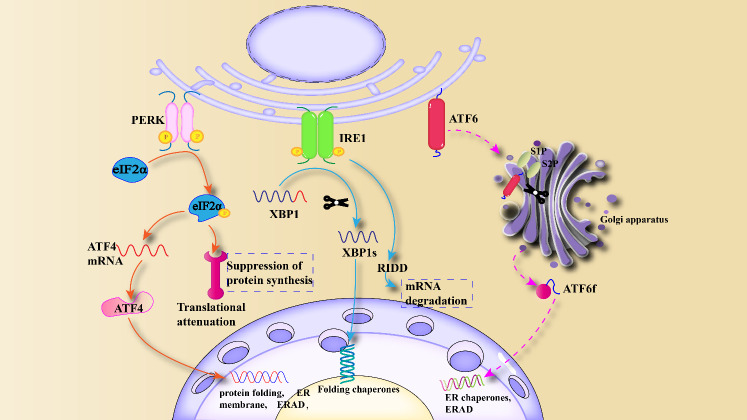
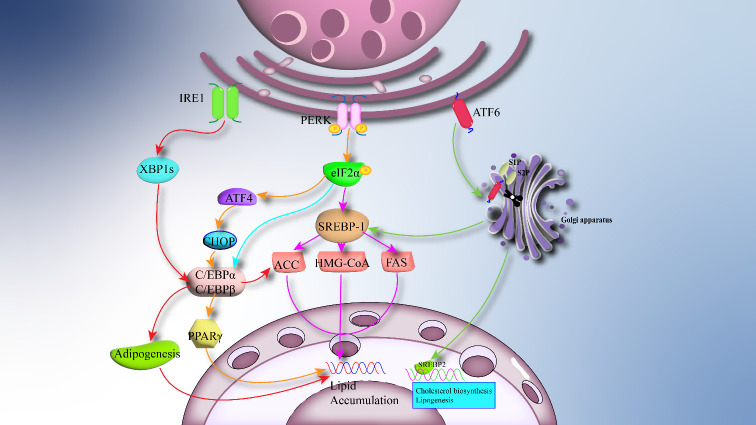
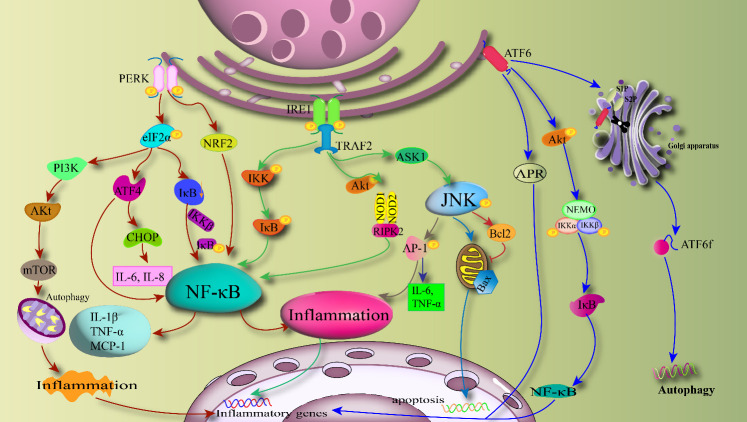
Obesity presents a significant global health challenge, increasing the susceptibility to chronic conditions such as diabetes, cardiovascular disease, and hypertension. Within the context of obesity, lipid metabolism, adipose tissue formation, and inflammation are intricately linked to endoplasmic reticulum stress (ERS). ERS modulates metabolism, insulin signaling, inflammation, as well as cell proliferation and death through the unfolded protein response (UPR) pathway. Serving as a crucial nexus, ERS bridges the functionality of adipose tissue and the inflammatory response. In this review, we comprehensively elucidate the mechanisms by which ERS impacts adipose tissue function and inflammation in obesity, aiming to offer insights into targeting ERS for ameliorating metabolic dysregulation in obesity-associated chronic diseases such as hyperlipidemia, hypertension, fatty liver, and type 2 diabetes.
Keywords: adipose tissue; endoplasmic reticulum stress; inflammation; metabolic disorder; obesity.
Copyright © 2024 Ma, Zhang, Zhao, Zhou and Li.
Conflict of interest statement
The authors declare that the research was conducted in the absence of any commercial or financial relationships that could be construed as a potential conflict of interest.
Figures
References
-
- Anonymous . Report on Nutrition and Chronic Diseases in China (2020): More than half of Chinese adults are overweight or obese. Chin J Med Inf. (2020) 35:15.
Publication types
MeSH terms
LinkOut - more resources
Full Text Sources
Medical
