


A comprehensive review on oleaginous bacteria: an alternative source for biodiesel production
- PMID: 38647556
- PMCID: PMC10992283
- DOI: 10.1186/s40643-022-00527-1
A comprehensive review on oleaginous bacteria: an alternative source for biodiesel production
Abstract
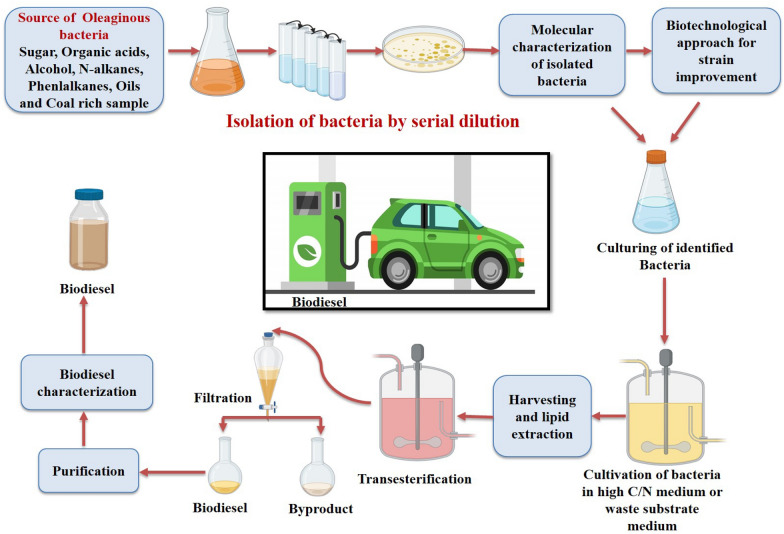
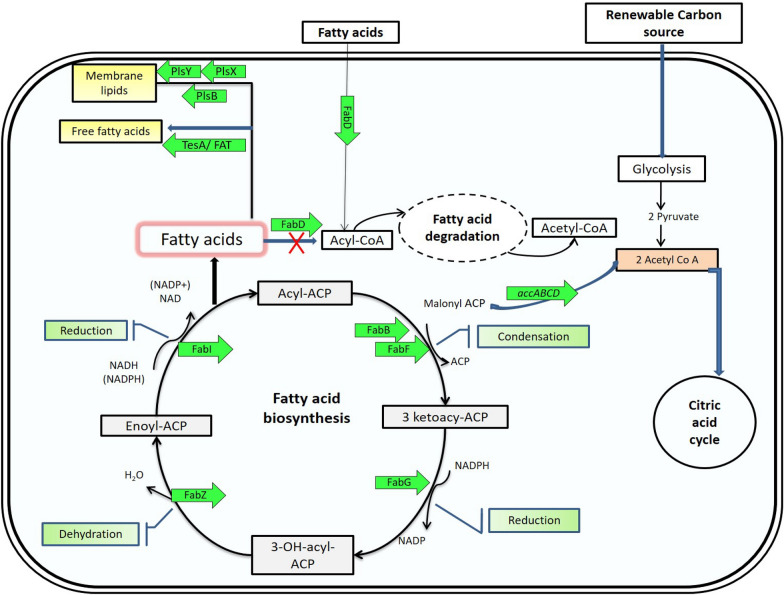
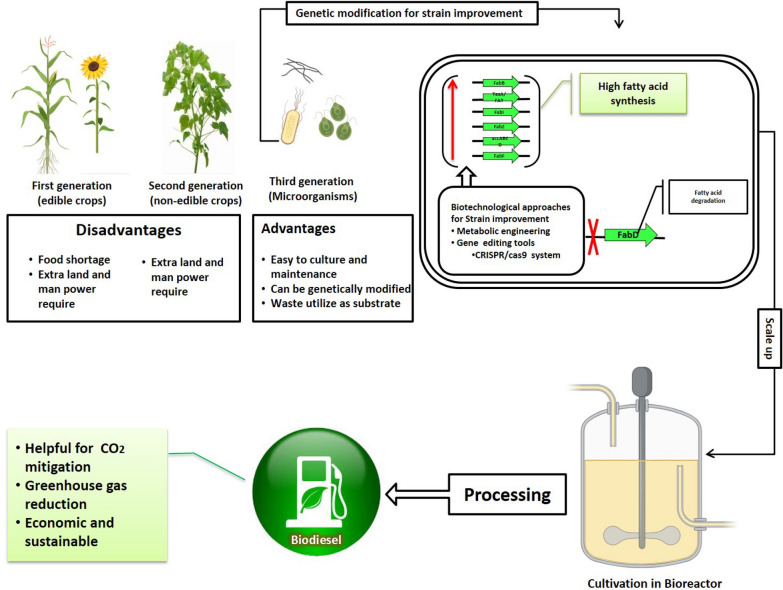
Due to continuously increasing population, industrialization, and environmental pollution, lead to generating high energy demand which suitable for our environment. Biodiesel is an alternative renewable fuel source. According to the feedstock of production, biodiesel has been categorized into four generations. The main disadvantage of the first and second generation is the raw material processing cost that the challenge for its industrial-level production. Oleaginous bacteria that contain more than 20% lipid of their cellular biomass can be a good alternative and sustainable feedstock. Oleaginous bacteria used as feedstock have numerous advantages, such as their high growth rate, being easy to cultivate, utilizing various substrates for growth, genetic or metabolic modifications possible. In addition, some species of bacteria are capable of carbon dioxide sequestration. Therefore, oleaginous bacteria can be a significant resource for the upcoming generation's biodiesel production. This review discusses the biochemistry of lipid accumulation, screening techniques, and lipid accumulation factors of oleaginous bacteria, in addition to the overall general biodiesel production process. This review also highlights the biotechnological approach for oleaginous bacteria strain improvement that can be future used for biodiesel production and the advantages of using general biodiesel in place of conventional fuel, along with the discussion about global policies and the prospect that promotes biodiesel production from oleaginous bacteria.
Keywords: Bio-harvesting; Biodiesel; Feedstock; Oleaginous microbes; Transesterification.
© 2022. The Author(s).
Conflict of interest statement
The authors declare that they have no competing interests.
Figures
References
-
- Abdullah MA, Nazir MS, Raza MR, et al. Autoclave and ultra-sonication treatments of oil palm empty fruit bunch fibers for cellulose extraction and its polypropylene composite properties. J Clean Prod. 2016;126:686–697. doi: 10.1016/j.jclepro.2016.03.107. - DOI
-
- Acharya RN, Perez-Pena R. Role of comparative advantage in biofuel policy adoption in Latin America. Sustainability. 2020;12:1411. doi: 10.3390/su12041411. - DOI
-
- Adhikaria S, Illukpitiya P. Small-scale biodiesel production for on-farm energy security: a sustainable income diversification opportunity for oilseed producers. Biofuels. 2021 doi: 10.1080/17597269.2021.1872290. - DOI
-
- Alalwana HA, Alminshidb AH, Aljaafari HAS. Promising evolution of biofuel generations. Renew Energy Focus. 2019;8:127–139. doi: 10.1016/j.ref.2018.12.006. - DOI
Publication types
Grants and funding
LinkOut - more resources
Full Text Sources
