


An overview of fermentation in the food industry - looking back from a new perspective
- PMID: 38647968
- PMCID: PMC10991178
- DOI: 10.1186/s40643-023-00702-y
An overview of fermentation in the food industry - looking back from a new perspective
Abstract
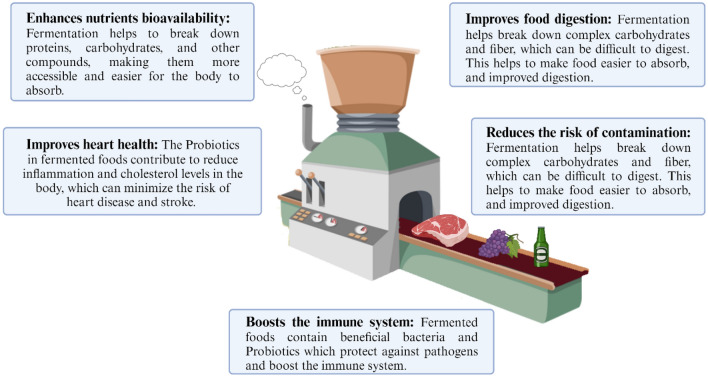
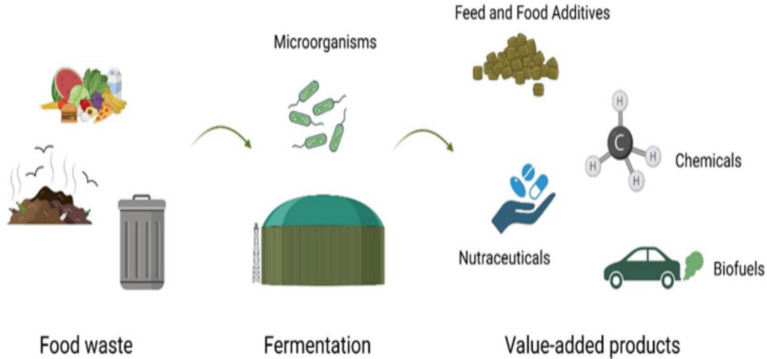
Fermentation is thought to be born in the Fertile Crescent, and since then, almost every culture has integrated fermented foods into their dietary habits. Originally used to preserve foods, fermentation is now applied to improve their physicochemical, sensory, nutritional, and safety attributes. Fermented dairy, alcoholic beverages like wine and beer, fermented vegetables, fruits, and meats are all highly valuable due to their increased storage stability, reduced risk of food poisoning, and enhanced flavor. Over the years, scientific research has associated the consumption of fermented products with improved health status. The fermentation process helps to break down compounds into more easily digestible forms. It also helps to reduce the amount of toxins and pathogens in food. Additionally, fermented foods contain probiotics, which are beneficial bacteria that help the body to digest food and absorb nutrients. In today's world, non-communicable diseases such as cardiovascular disease, type 2 diabetes, cancer, and allergies have increased. In this regard, scientific investigations have demonstrated that shifting to a diet that contains fermented foods can reduce the risk of non-communicable diseases. Moreover, in the last decade, there has been a growing interest in fermentation technology to valorize food waste into valuable by-products. Fermentation of various food wastes has resulted in the successful production of valuable by-products, including enzymes, pigments, and biofuels.
Keywords: Fermentation; Fermented dairy; Fermented meat; Fermented plant-based foods; Non-communicable disease; Waste valorization.
© 2023. The Author(s).
Conflict of interest statement
The authors report there are no competing interests to declare.
Figures


References
-
- Achi OK, Asamudo NU. Cereal-based fermented foods of africa as functional foods. In: Mérillon JM, Ramawat K, editors. Bioactive molecules in food. Reference series in phytochemistry. Cham: Springer; 2019.
-
- Adams MR. Fermented weaning foods. In: Wood BJB, editor. Microbiology of Fermented Foods. Boston: Springer; 1998.
-
- Adebo OA, Njobeh PB, Sidu S, Adebiyi JA, Mavumengwana V. Aflatoxin B1 degradation by culture and lysate of a Pontibacter specie. Food Control. 2017;80:99–103. doi: 10.1016/j.foodcont.2017.04.042. - DOI
-
- Adebo OA, Njobeh PB, Adeboye AS, Adebiyi JA, Sobowale SS, Ogundele OM, Kayitesi E. Innovations in technologies for fermented food and beverage ındustries. In: Panda S, Shetty P, editors. Food microbiology and food safety. Cham: Springer; 2018.
Publication types
Grants and funding
LinkOut - more resources
Full Text Sources
Molecular Biology Databases
