Psoriasis as a Systemic Disease
- PMID: 38657176
- PMCID: PMC11635804
- DOI: 10.3238/arztebl.m2024.0064
Psoriasis as a Systemic Disease
Abstract
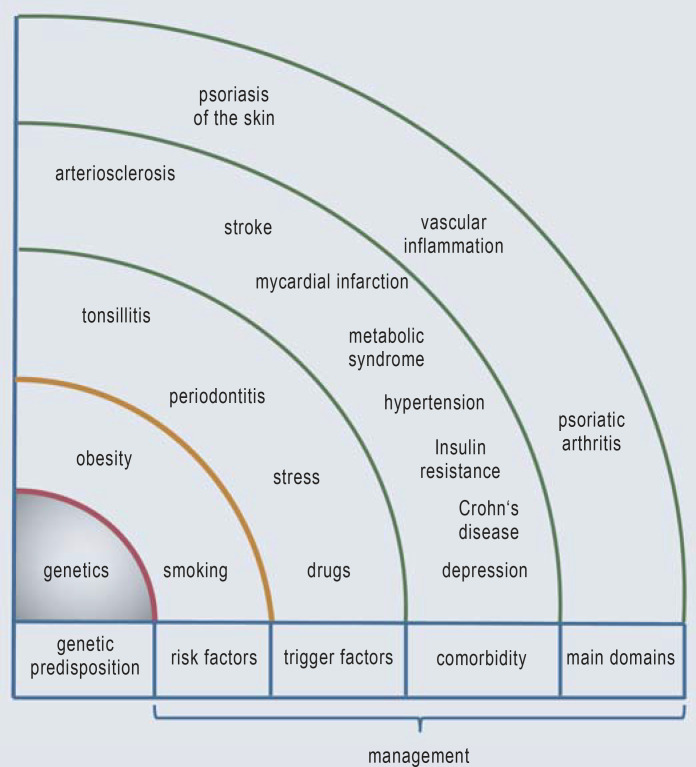
Background: Psoriasis was long regarded as an inflammatory disease limited to the skin. Data from dermatologic, rheumatologic and cardiologic research now show it to be a systemic disease, for which the term psoriatic disease is used.
Methods: This paper is based on a selective literature search with special attention to the findings of clinical trials and other current publications, as well as the recommendations of international guidelines.
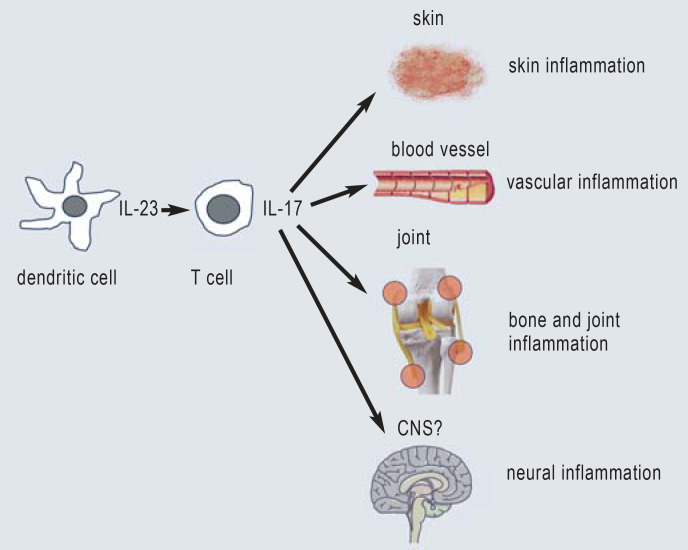
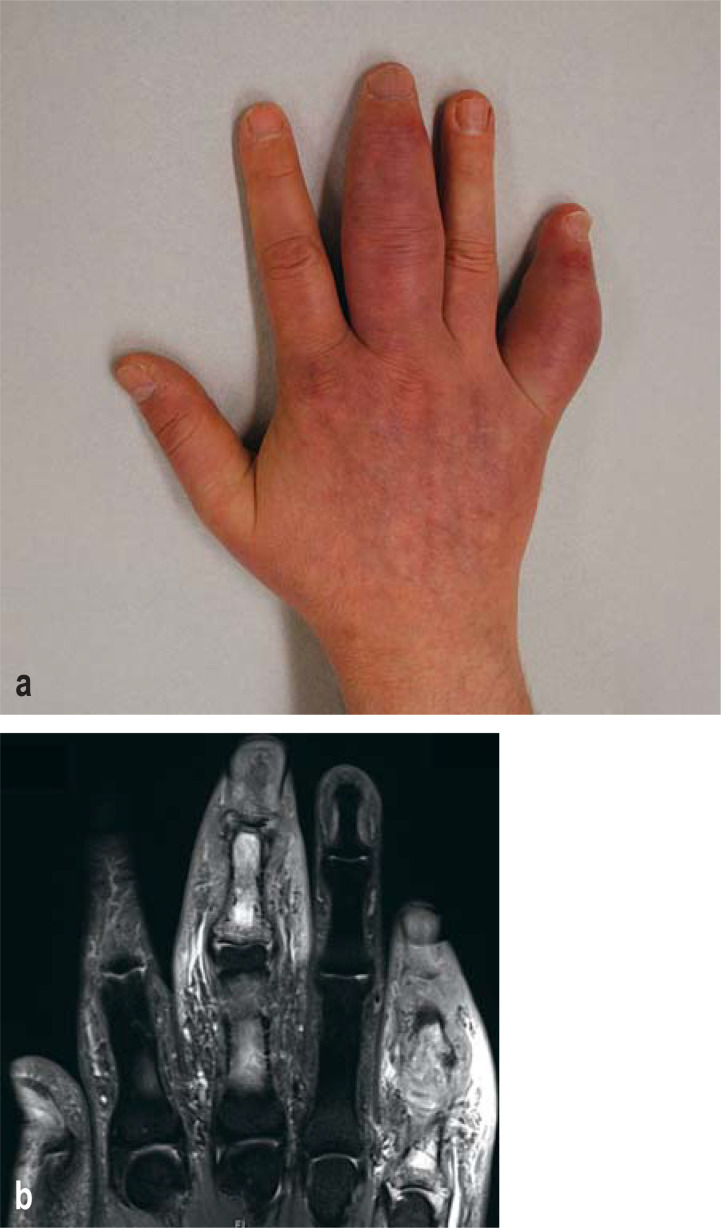
Results: Immunologically mediated inflammation of the skin, arteries, bones, and joints is a central feature of psoriatic disease. Other diseases that are known to be associated with psoriatic disease include hypertension, metabolic syndrome, and depression. The main risk factor for the development of psoriatic disease is obesity, which also increases the likelihood of psoriatic arthritis. The main known trigger factors are stress, infection, and, less commonly, medication. Psoriatic disease is characterized by complex genetics and by a characteristic pattern of inflammation that involves elements of both innate and acquired immunity and, in particular, the cytokines interleukin 17 and 23. The inflammatory processes underlying psoriatic disease can now be targeted with modern biologic and other therapies.
Conclusion: In view of the complexity of psoriatic disease, structured management is now recommended so that physicians and patients can work together to determine the optimal treatment strategy.
Figures
References
-
- Hagenstrom K, Muller K, Garbe C, Augustin M. Prevalence of psoriasis and psoriatic arthritis in Germany—analysis of claims data. J Dtsch Dermatol Ges. 2024;22:45–54. - PubMed
-
- Mrowietz U, Sümbül M, Gerdes S. Depression, a major comorbidity of psoriatic disease, is caused by metabolic inflammation. J Eur Acad Dermatol Venereol. 2023;37:1731–1738. - PubMed
-
- Griffiths CEM, Armstrong AW, Gudjonsson JE, Barker J. Psoriasis. Lancet. 2021;397:1301–1315. - PubMed
Publication types
MeSH terms
LinkOut - more resources
Full Text Sources
Medical