


Ligand-Free Silver Nanoparticles: An Innovative Strategy against Viruses and Bacteria
- PMID: 38674764
- PMCID: PMC11052337
- DOI: 10.3390/microorganisms12040820
Ligand-Free Silver Nanoparticles: An Innovative Strategy against Viruses and Bacteria
Abstract
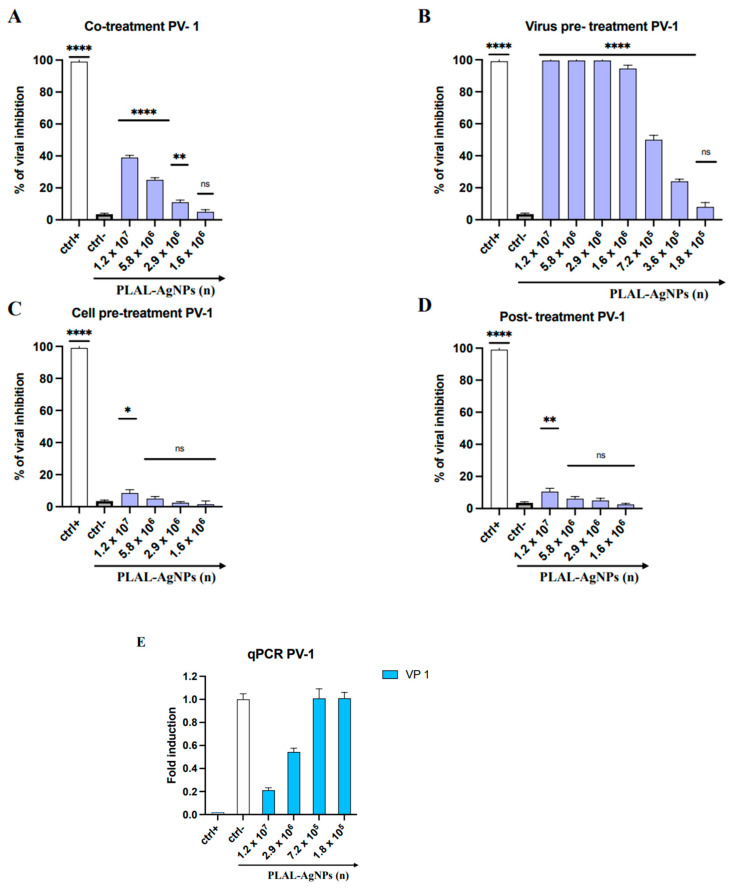
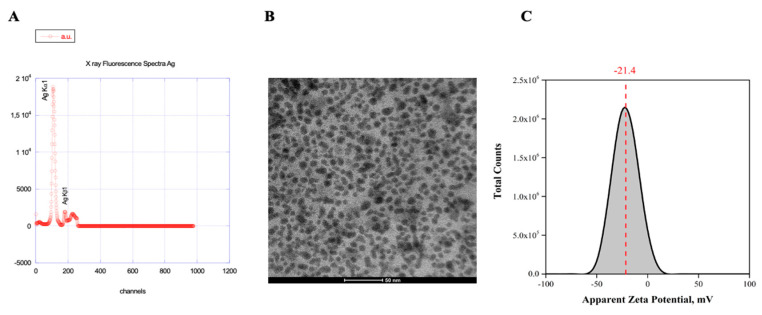
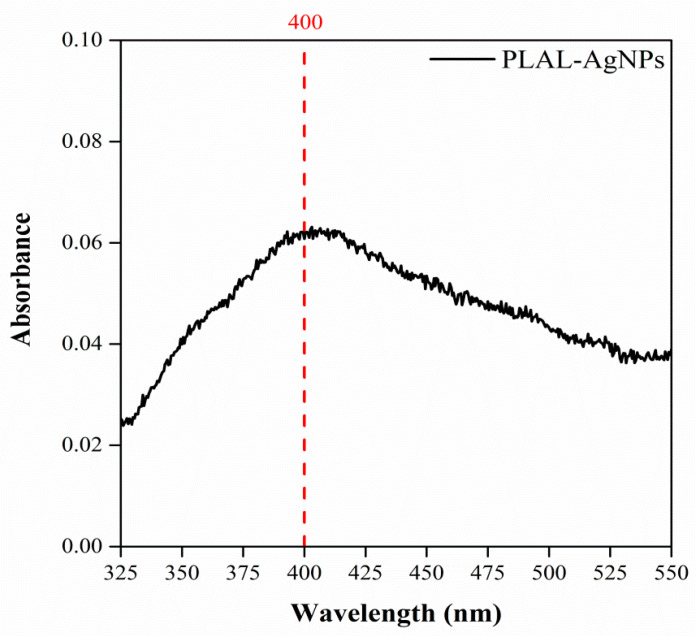
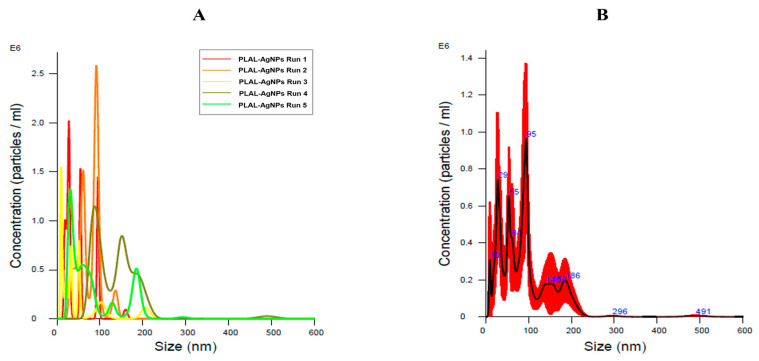
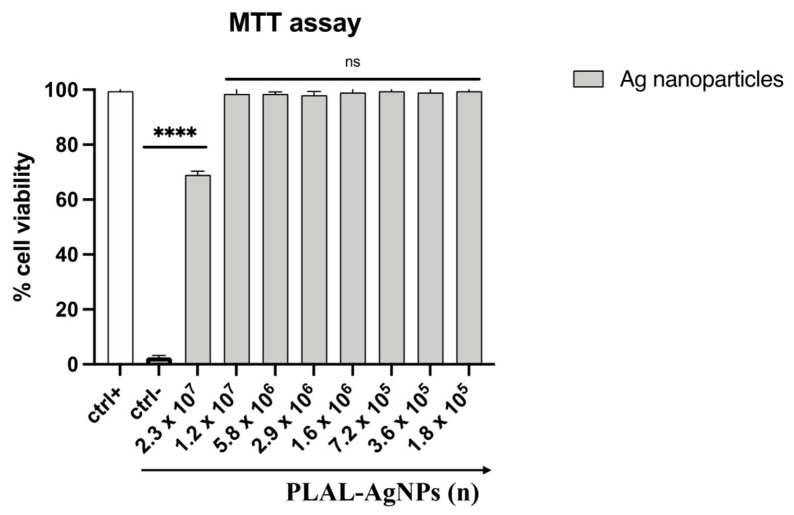
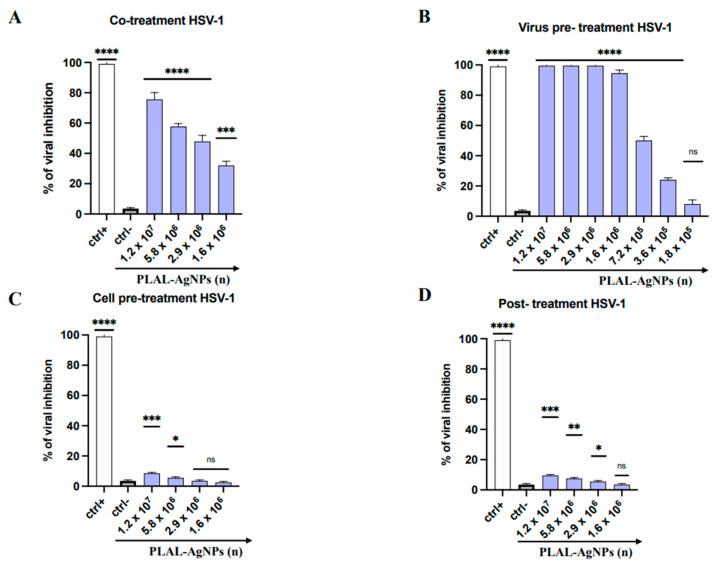
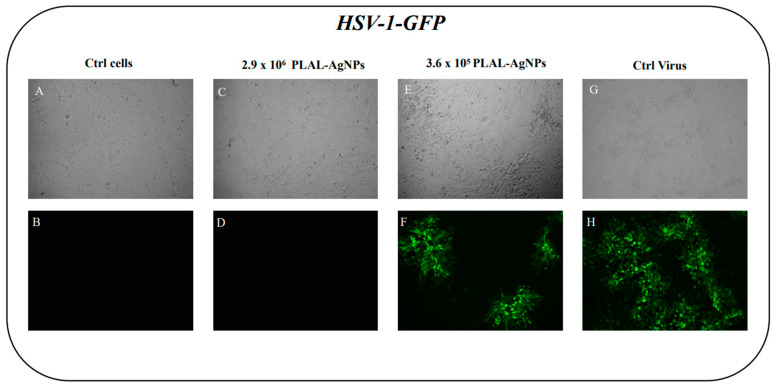
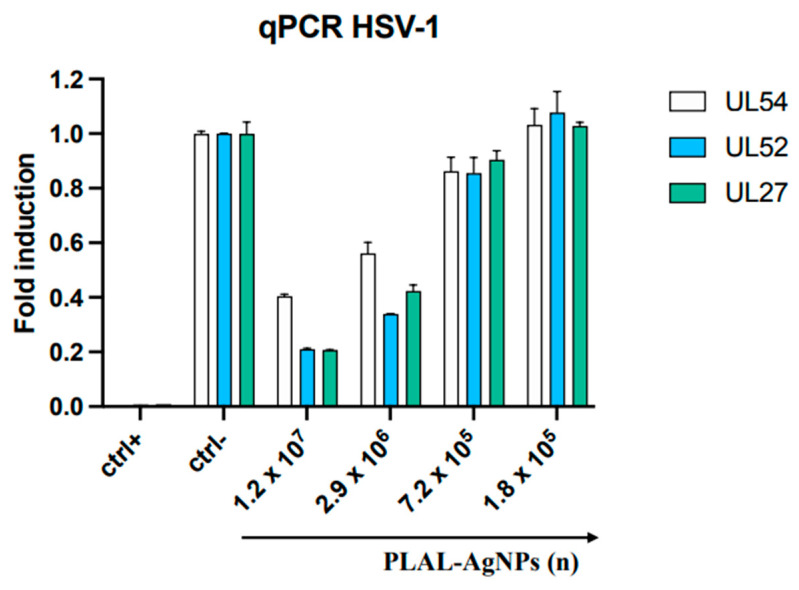
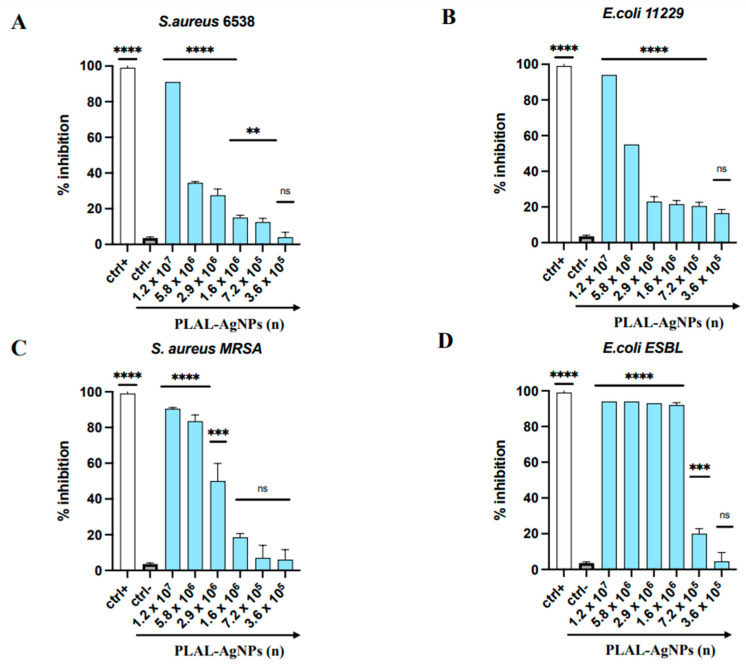
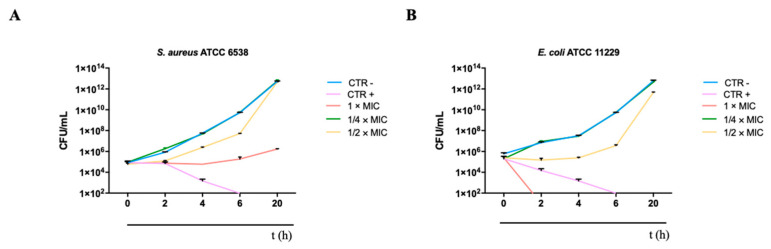
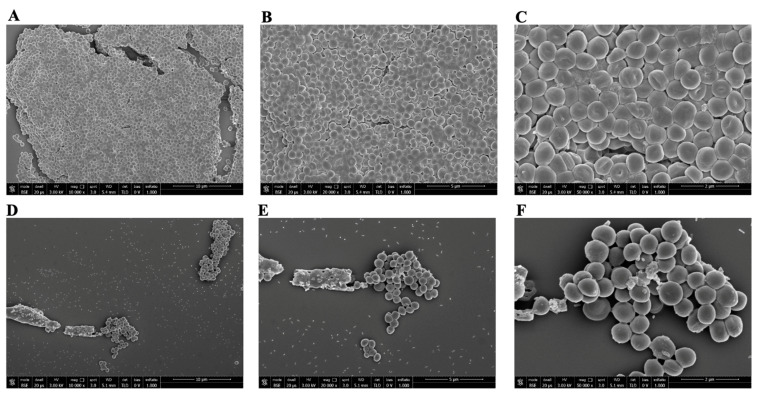
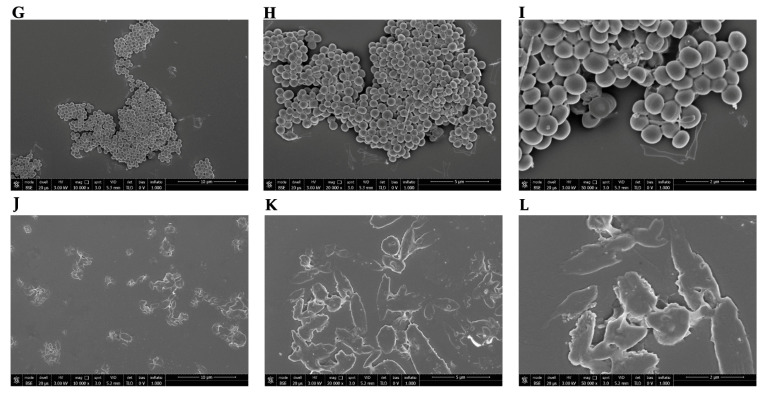
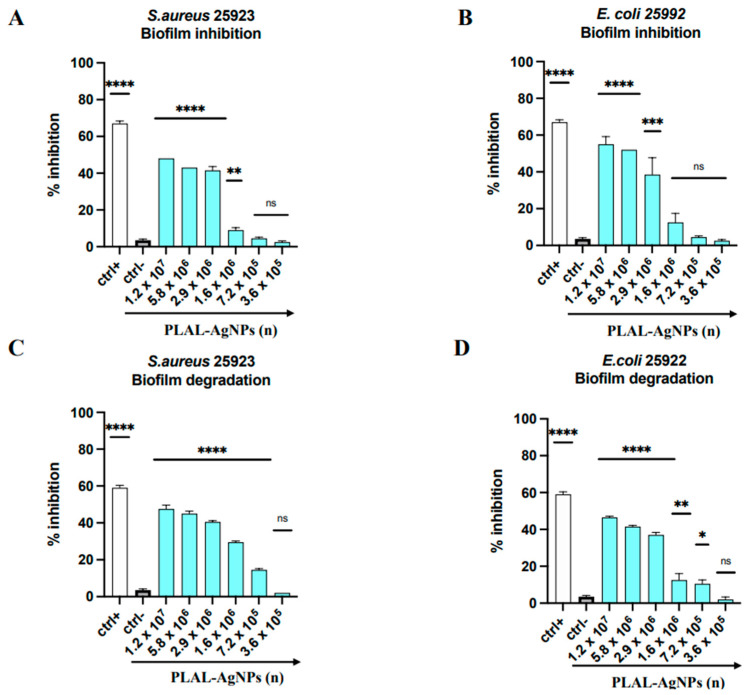
The spread of antibiotic-resistant bacteria and the rise of emerging and re-emerging viruses in recent years constitute significant public health problems. Therefore, it is necessary to develop new antimicrobial strategies to overcome these challenges. Herein, we describe an innovative method to synthesize ligand-free silver nanoparticles by Pulsed Laser Ablation in Liquid (PLAL-AgNPs). Thus produced, nanoparticles were characterized by total X-ray fluorescence, zeta potential analysis, transmission electron microscopy (TEM), and nanoparticle tracking analysis (NTA). A 3-(4,5-dimethylthiazol-2-yl)-2,5-diphenyltetrazolium bromide (MTT) assay was performed to evaluate the nanoparticles' cytotoxicity. Their potential was evaluated against the enveloped herpes simplex virus type 1 (HSV-1) and the naked poliovirus type 1 (PV-1) by plaque reduction assays and confirmed by real-time PCR and fluorescence microscopy, showing that nanoparticles interfered with the early stage of infection. Their action was also examined against different bacteria. We observed that the PLAL-AgNPs exerted a strong effect against both methicillin-resistant Staphylococcus aureus (S. aureus MRSA) and Escherichia coli (E. coli) producing extended-spectrum β-lactamase (ESBL). In detail, the PLAL-AgNPs exhibited a bacteriostatic action against S. aureus and a bactericidal activity against E. coli. Finally, we proved that the PLAL-AgNPs were able to inhibit/degrade the biofilm of S. aureus and E. coli.
Keywords: PLAL-AgNPs; antibacterial activity; antibiofilm activity; antiviral activity; herpesvirus; multidrug resistance; poliovirus; silver nanoparticles.
Conflict of interest statement
The authors declare no conflicts of interest.
Figures
References
-
- Van Seventer J.M., Hochberg N.S. International Encyclopedia of Public Health. Elsevier; Amsterdam, The Netherlands: 2017. Principles of Infectious Diseases: Transmission, Diagnosis, Prevention, and Control; pp. 22–39.
-
- Ismahene Y. Infectious Diseases, Trade, and Economic Growth: A Panel Analysis of Developed and Developing Countries. J. Knowl. Econ. 2022;13:2547–2583. doi: 10.1007/s13132-021-00811-z. - DOI
-
- Anton-Vazquez V., Mehra V., Mbisa J.L., Bradshaw D., Basu T.N., Daly M.-L., Mufti G.J., Pagliuca A., Potter V., Zuckerman M. Challenges of aciclovir-resistant HSV infection in allogeneic bone marrow transplant recipients. J. Clin. Virol. 2020;128:104421. doi: 10.1016/j.jcv.2020.104421. - DOI - PubMed
LinkOut - more resources
Full Text Sources
Molecular Biology Databases
