


The effect of vitamin D status on the occurrence of Kawasaki Disease: a meta-analysis
- PMID: 38684993
- PMCID: PMC11057174
- DOI: 10.1186/s12887-024-04768-1
The effect of vitamin D status on the occurrence of Kawasaki Disease: a meta-analysis
Abstract
Aim: The relationship between vitamin D status and Kawasaki Disease (KD), as well as coronary artery lesion (CAL), has yet to be established.
Methods: A meta-analysis was conducted to assess the correlation between vitamin D status and KD, as well as the impact of vitamin D status on the progression of KD into CAL.
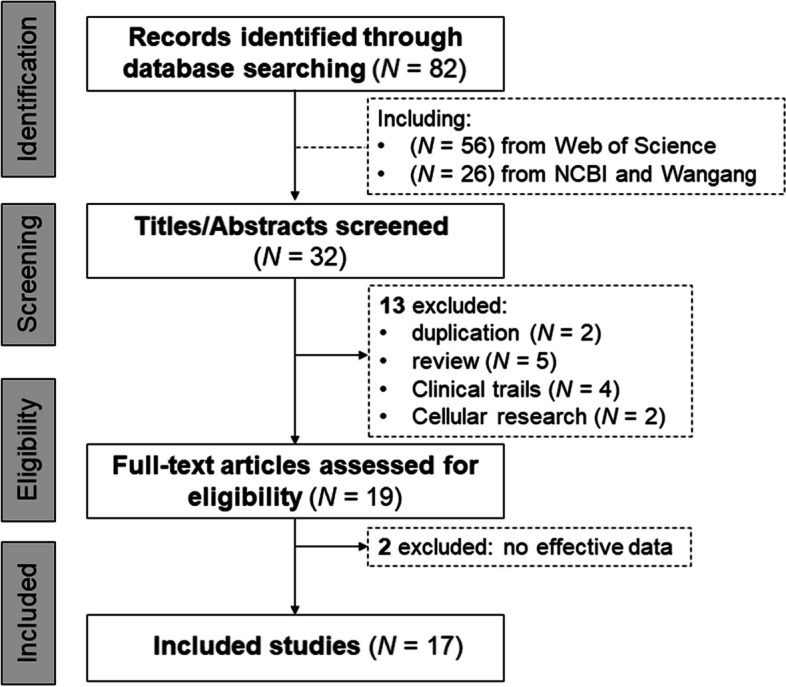
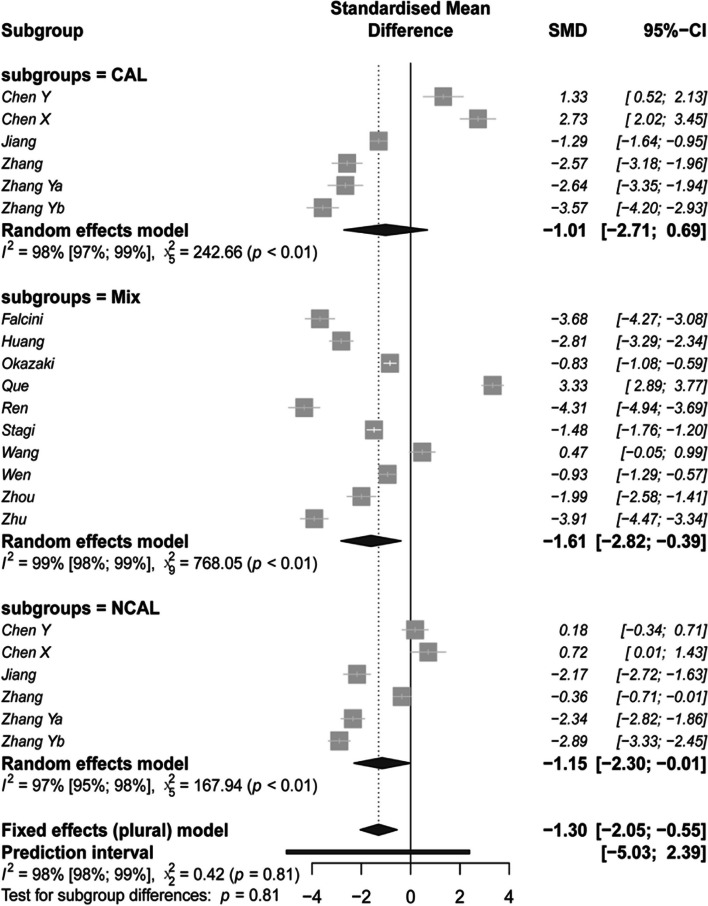
Results: The meta-analysis revealed a consistent and significant association between serum 25(OH)D level and the occurrence KD (studies N = 22; z = -3.51, P < 0.001). Patients with KD had markedly lower levels of vitamin D than healthy controls (SMD: -1.30 ng/mL, 95%CI: -2.05 to -0.55 ng/mL).
Conclusion: The study provided evidence supporting a significant association between lower serum vitamin D levels and the occurrence of KD, particularly within the Chinese population. However, the findings did not suggest a direct impact of vitamin D on the development of CAL in KD patients.
Keywords: 25-hydroxyvitamin D; Coronary artery lesion; Kawasaki disease; Vitamin D.
© 2024. The Author(s).
Conflict of interest statement
The authors declare no competing interests.
Figures
References
-
- Kawasaki T. Acute febrile mucocutaneous syndrome with lymphoid involvement with specific desquamation of the fingers and toes in children. Arerugi. 1967;16(3):178–222. - PubMed
-
- Huang GY. Challenges in the diagnosis and treatment of Kawasaki disease. Zhonghua Er Ke Za Zhi. 2022;60(1):3–5. - PubMed
-
- Correction to: Diagnosis, Treatment, and Long-Term Management of Kawasaki Disease: A Scientific Statement for Health Professionals From the American Heart Association. Circulation, 2019. 140(5):e181–e184. - PubMed
Publication types
MeSH terms
Substances
LinkOut - more resources
Full Text Sources
Medical
