. 2019 Jan;2(1):1800091.
doi: 10.1002/adtp.201800091. Epub 2018 Sep 10.

Advances in Receptor-Mediated, Tumor-Targeted Drug Delivery

Affiliations

Advances in Receptor-Mediated, Tumor-Targeted Drug Delivery

Danielle E Large et al. Adv Ther (Weinh). 2019 Jan.

Abstract

Receptor-mediated drug delivery presents an opportunity to enhance therapeutic efficiency by accumulating drug within the tissue of interest and reducing undesired, off-target effects. In cancer, receptor overexpression is a platform for binding and inhibiting pathways that shape biodistribution, toxicity, cell binding and uptake, and therapeutic function. This review will identify tumor-targeted drug delivery vehicles and receptors that show promise for clinical translation based on quantitative in vitro and in vivo data. The authors describe the rationale to engineer a targeted drug delivery vehicle based on the ligand, chemical conjugation method, and type of drug delivery vehicle. Recent advances in multivalent targeting and ligand organization on tumor accumulation are discussed. Revolutionizing receptor-mediated drug delivery may be leveraged in the therapeutic delivery of chemotherapy, gene editing tools, and epigenetic drugs.

Keywords: cancer; receptor targeting; targeted drug delivery; therapeutic; tumor accumulation.


Conflict of interest statement

Conflict of Interest The authors declare no conflict of interest.

Figures
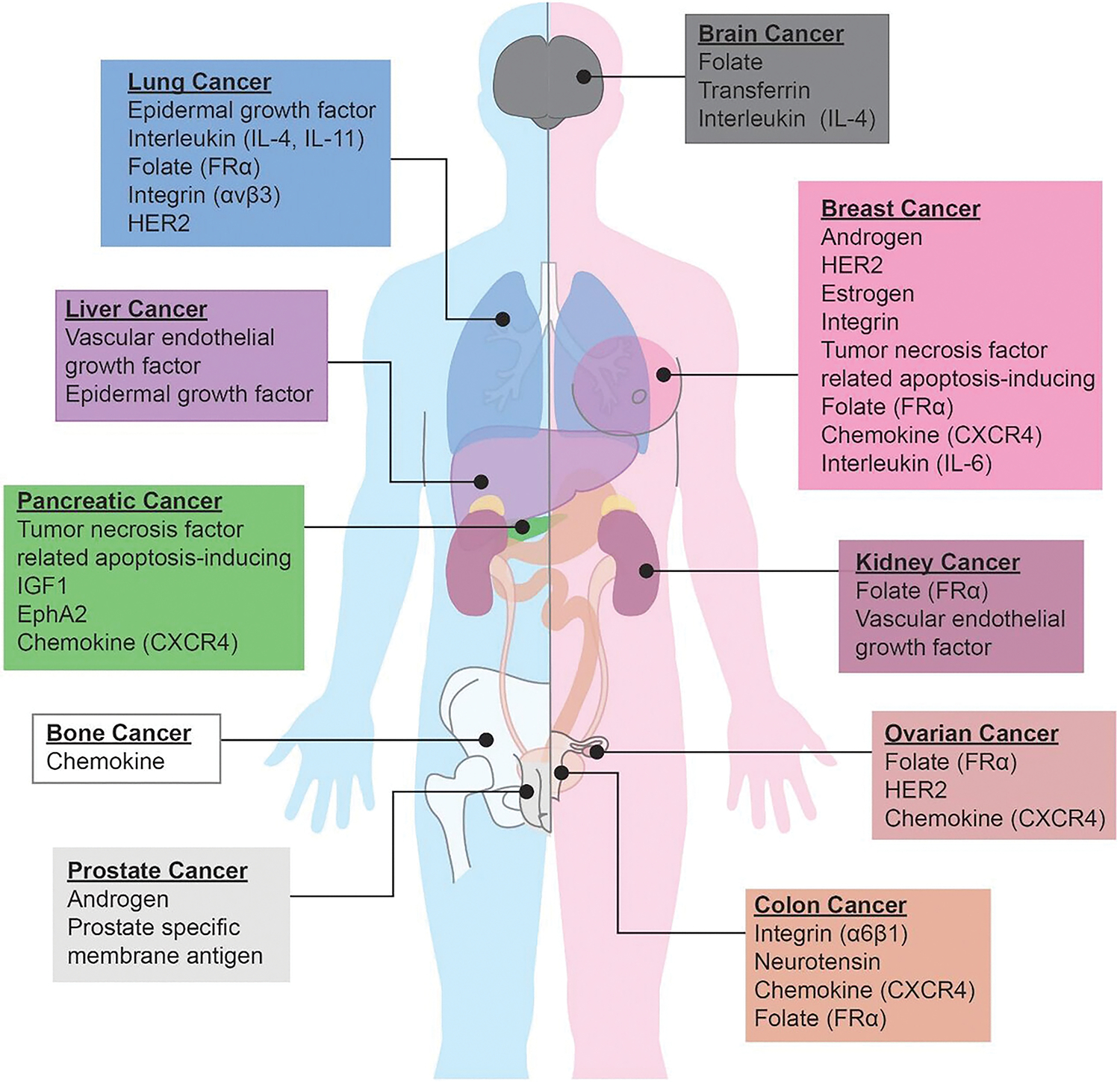
Figure 1.
Figure 1.
Common receptor overexpression associated with each different types of cancer.
Figure 2.
Figure 2.
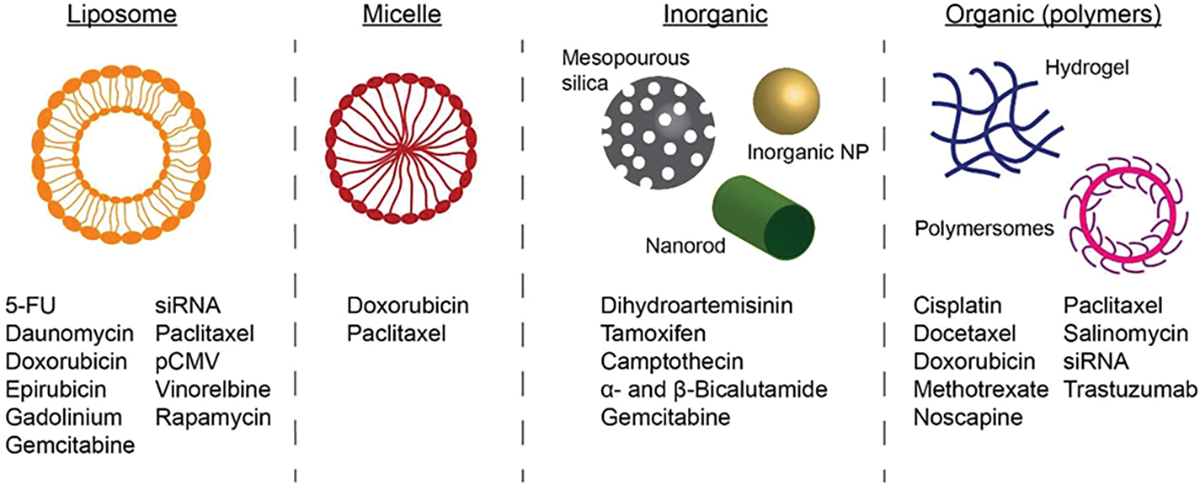
Drug loading in liposome, micelles, inorganic, and organic DDV. Refer to Table 2 for specific citations.
Figure 3.
Figure 3.
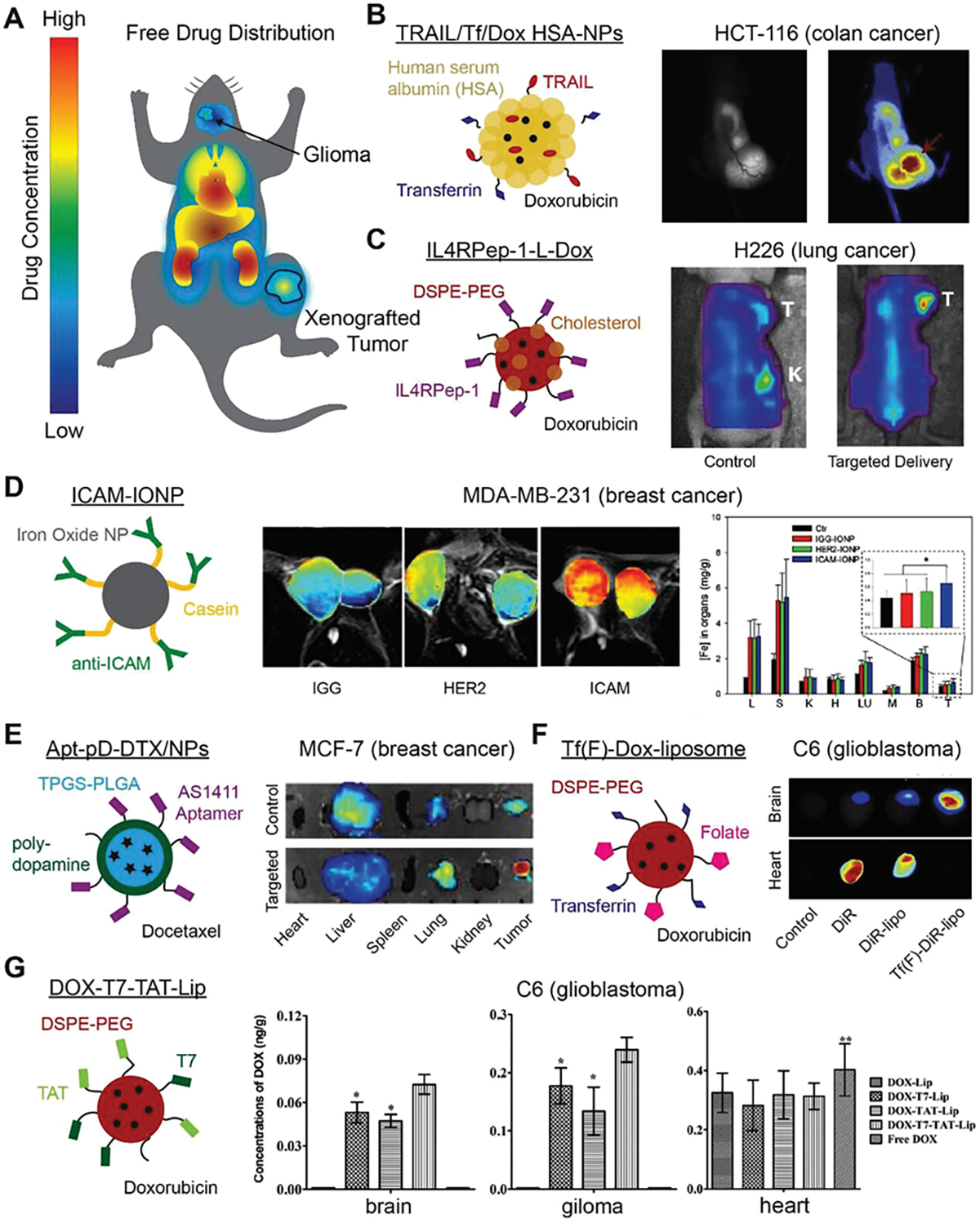
Representative state-of-the-art examples of biodistribution for targeted DDVs in the literature. A) Typical biodistribution profile of free drug has limited drug concentration in tumors and high concentrations in the heart, liver, and kidneys. B) Dual targeting polymeric NP increases doxorubicin concentrations in xenografted colon cancer tumors. Reproduced with permission.[194] Copyright 2012, Elsevier. C) Doxorubicin loaded IL4RPep-1 conjugated liposomes are delivered to the tumor in higher contentions than unconjugated controls. Reproduced with permission.[79b] Copyright 2015, Elsevier. D) Anti-ICAM1 conjugated NPs are taken up by TNBC more than unconjugated iron oxide NPs. Reproduced with permission.[152b] Copyright 2014, The Authors. E) Nucleolin targeting AS1411-conjugated polydopamine coated DDVs to target breast cancer reduce docetaxel concentrations in the liver, while increasing the amount of drug delivered to the tumor. Reproduced under the terms of the CC BY-NC license.[220] Copyright 2016, Ivyspring International Publisher. F) By targeting the transferrin and folate receptors, dual targeting liposomes traverse the blood–brain barrier and are selectivity taken up in the tumor. Reproduced with permission.[191a] Copyright 2013, Elsevier. G) TAT and T7 conjugated liposomes increase drug concentrations in a glioma, while remaining relatively low in the brain and unchanged in the heart. Reproduced with permission.[195] Copyright 2014, Elsevier.
Figure 4.
Figure 4.
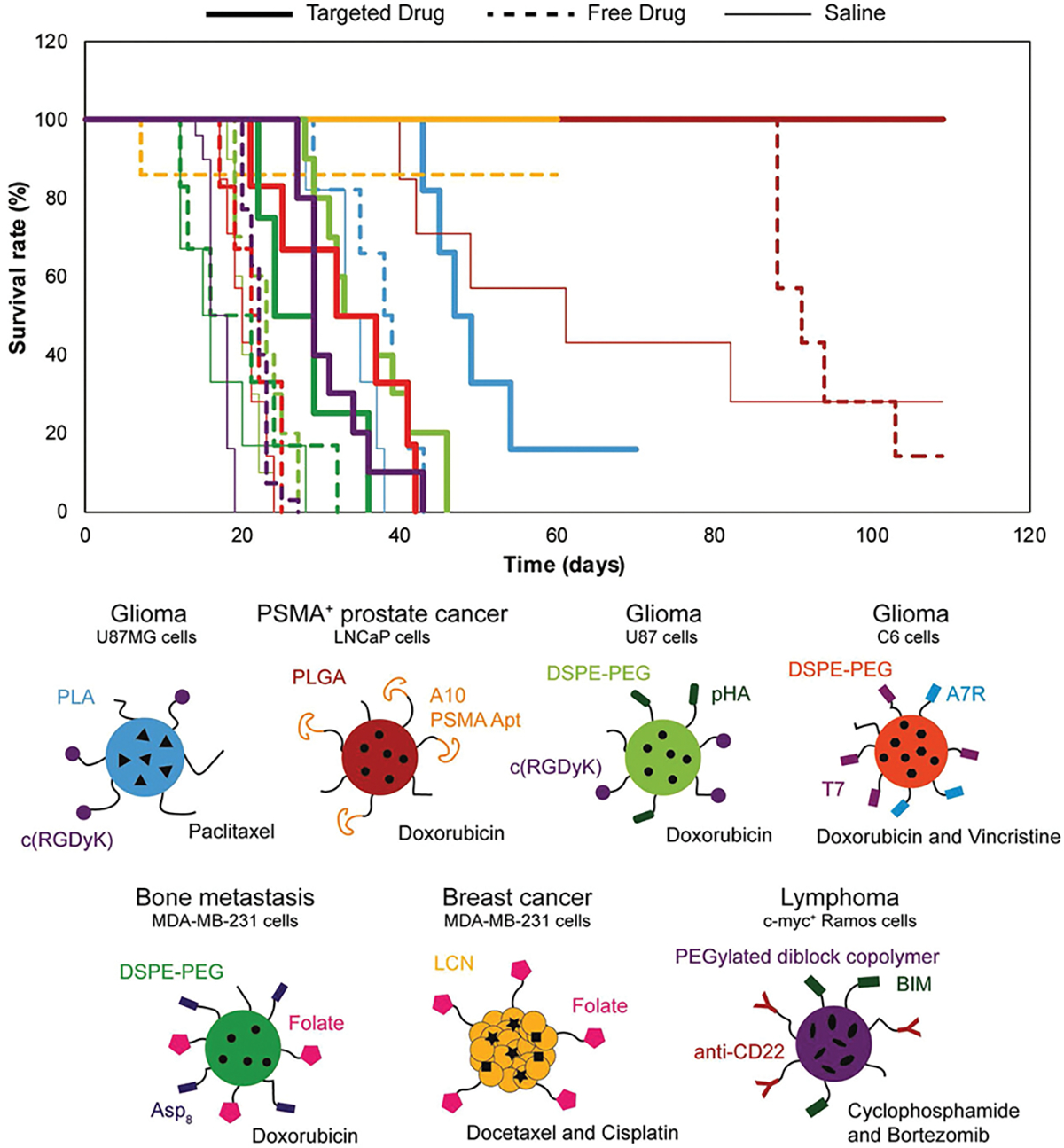
Kaplan–Meier survivability analysis of recently published DDVs shows that receptor-mediated drug delivery improves in vivo survivability compared to saline and free drug: blue,[108] red,[5a] light green,[191b] orange,[191c] green,[191d] yellow,[100a] purple,[114c]
Figure 5.
Figure 5.
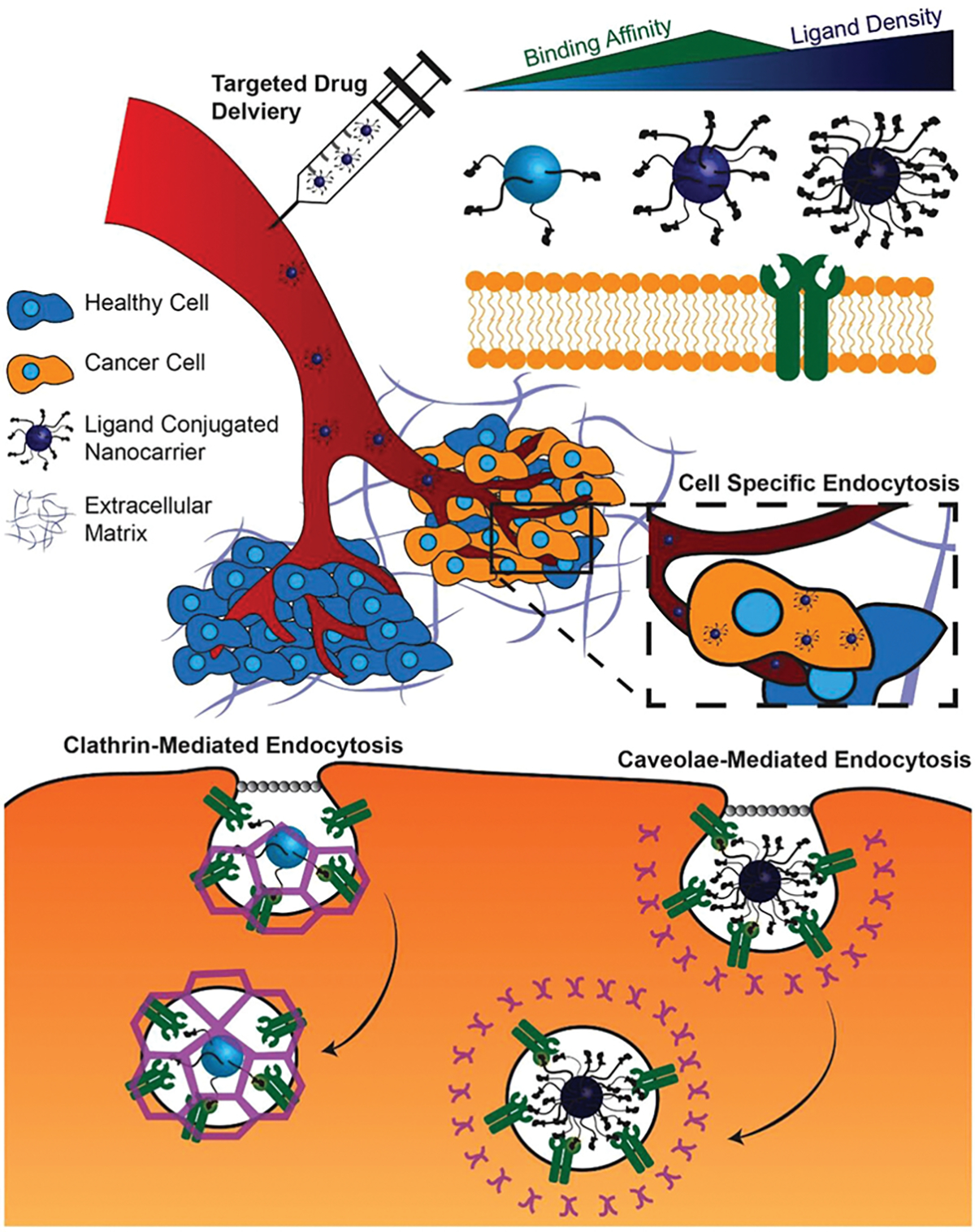
Receptor-mediated DDV can be optimized to improve receptor binding and cellular endocytosis by controlling the ligand density. DDVs with low (light blue) or high (dark blue) ligand density have lower receptor binding affinity compared to those with moderate (blue) ligand density. Further, low ligand density DDVs are typically internalized via clathrin-mediated endocytosis, while those with high ligand conjugation are endocytosed via caveolae-mediated endocytosis.
Figure 6.
Figure 6.
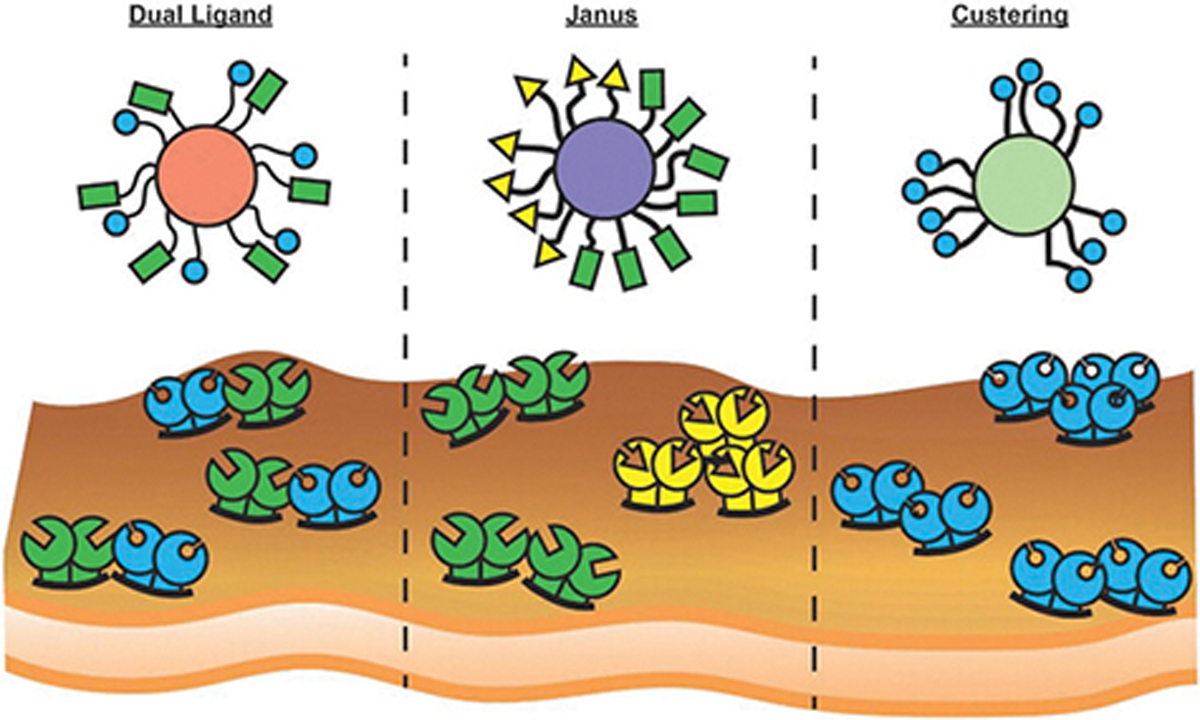
Dual, asymmetric, and clustered ligand conjugation systems can be tailored to exploit to increase receptor-mediated endocytosis for cells expressing different colocalized receptors (green and blue), distinct clusters of multiple receptors (green and yellow), or clustering of the same receptors (blue), respectively.

References

    1. Lee RJ, Low PS, J. Biol. Chem. 1994, 269, 3198. - PubMed
    1. Wang M, Thanou M, Pharmacol Res. 2010, 62, 90; - PubMed
    2. Yang J, Xie SX, Huang Y, Ling M, Liu J, Ran Y, Wang Y, Thrasher JB, Berkland C, Li B, Nanomedicine 2012, 7, 1297; - PMC - PubMed
    3. Huwyler J, Wu D, Pardridge WM, Proc. Natl. Acad. Sci. 1996, 93, 14164. - PMC - PubMed
    1. Arap W, Pasqualini R, Ruoslahti E, Science 1998, 279, 377. - PubMed
    1. Gao H, Yang Z, Zhang S, Cao S, Shen S, Pang Z, Jiang X, Sci. Rep. 2013, 3, 2534. - PMC - PubMed
    1. Farokhzad OC, Cheng J, Teply BA, Sherifi I, Jon S, Kantoff PW, Richie JP, Langer R, Proc. Natl. Acad. Sci. 2006, 103, 6315; - PMC - PubMed
    2. Yang ZZ, Li JQ, Wang ZZ, Dong DW, Qi XR, Biomaterials 2014, 35, 5226; - PubMed
    3. Benito JM, Gómez-García M, Ortiz Mellet C, Baussanne I, Defaye J, García Fernández JM, J. Am. Chem. Soc. 2004, 126, 10355; - PubMed
    4. Nakagawa O, Ming X, Huang L, Juliano RL, J. Am. Chem. Soc. 2010, 132, 8848. - PMC - PubMed