


The Glycemia Risk Index Predicts Performance of Diabetes Self-Management Habits in Youth With Type 1 Diabetes Mellitus
- PMID: 38708581
- PMCID: PMC11307237
- DOI: 10.1177/19322968241247215
The Glycemia Risk Index Predicts Performance of Diabetes Self-Management Habits in Youth With Type 1 Diabetes Mellitus
Abstract
Background: The Glycemia Risk Index (GRI) was developed in adults with diabetes and is a validated metric of quality of glycemia. Little is known about the relationship between GRI and type 1 diabetes (T1D) self-management habits, a validated assessment of youths' engagement in habits associated with glycemic outcomes.
Method: We retrospectively examined the relationship between GRI and T1D self-management habits in youth with T1D who received care from a Midwest pediatric diabetes clinic network. The GRI was calculated using seven days of continuous glucose monitor (CGM) data, and T1D self-management habits were assessed ±seven days from the GRI score. A mixed-effects Poisson regression model was used to evaluate the total number of habits youth engaged in with GRI, glycated hemoglobin A1c (HbA1c), age, race, ethnicity, and insurance type as fixed effects and participant ID as a random effect to account for multiple clinic visits per individual.
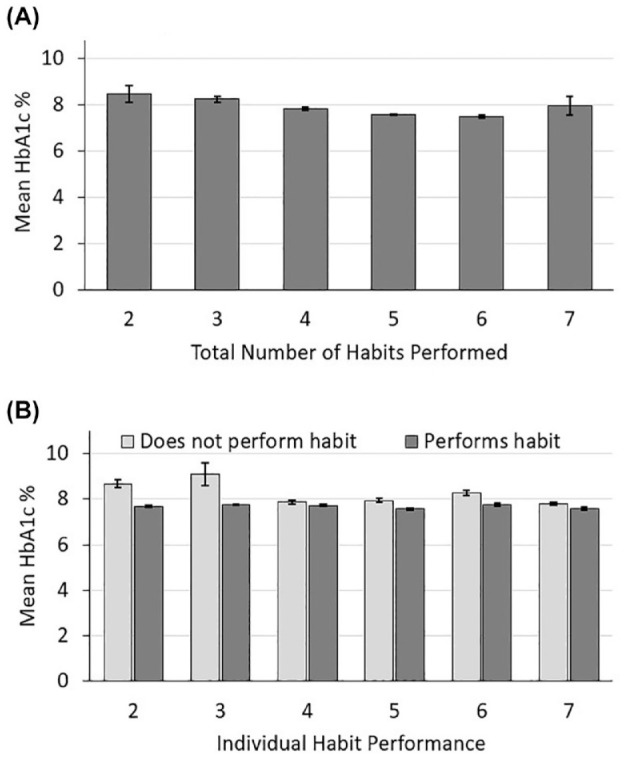
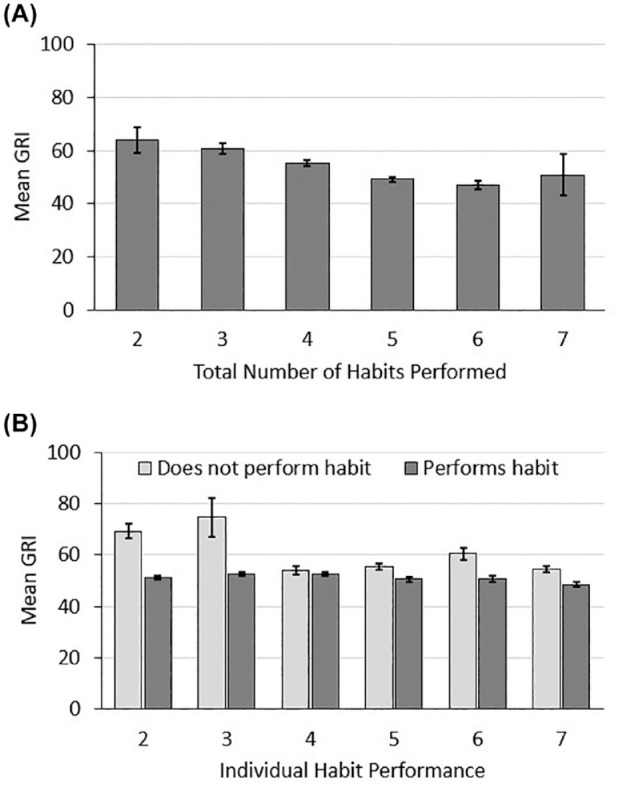
Results: The cohort included 1182 youth aged 2.5 to 18.0 years (mean = 13.8, SD = 3.5) comprising 50.8% male, 84.6% non-Hispanic White, and 64.8% commercial insurance users across a total of 6029 clinic visits. Glycemia Risk Index scores decreased as total number of habits performed increased, suggesting youth who performed more self-management habits achieved a higher quality of glycemia.
Conclusions: In youth using CGMs, GRI may serve as an easily obtainable metric to help identify youth with above target glycemia, and engagement/disengagement in the T1D self-management habits may inform clinicians with suitable interventions for improving glycemic outcomes.
Keywords: blood glucose; diabetes mellitus; glycemic indices; habits; youth.
Conflict of interest statement
Declaration of Conflicting InterestsThe author(s) declared no potential conflicts of interest with respect to the research, authorship, and/or publication of this article.
Figures

References
MeSH terms
Substances
Grants and funding
LinkOut - more resources
Full Text Sources
Medical
