


Obesity, body fat distribution and eye diseases
- PMID: 38710948
- PMCID: PMC11074037
- DOI: 10.1007/s40519-024-01662-8
Obesity, body fat distribution and eye diseases
Abstract
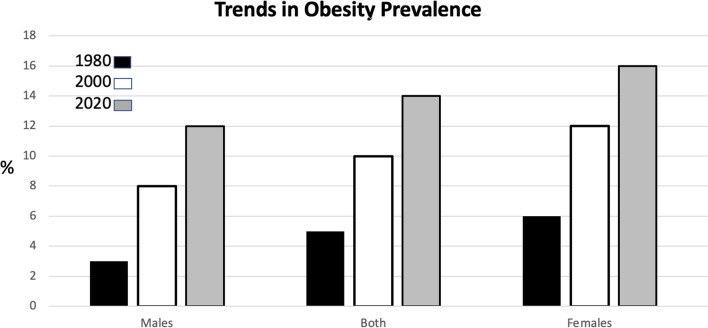
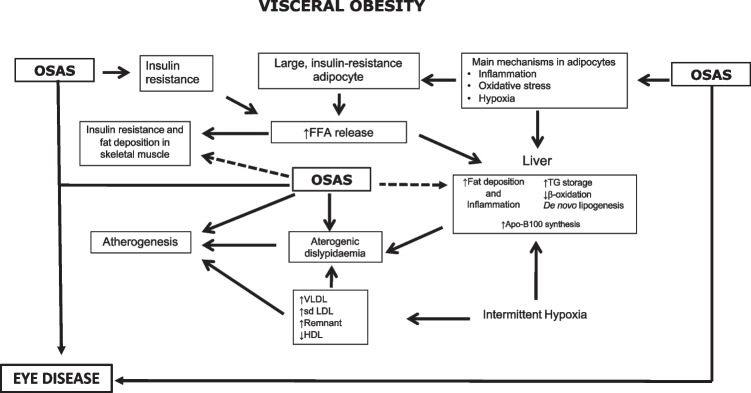
Background: The prevalence of obesity, a chronic disease, is increasing, and obesity is now considered a global epidemic. Eye diseases are also increasing worldwide and have serious repercussions on quality of life as well as increasingly high costs for the community. The relationships between obesity and ocular pathologies are not yet well clarified and are not pathologically homogeneous: they seem to be somehow linked to excess body fat, especially to the distribution of adipose tissue and its ectopic deposits.
Purpose: Our objective was to examine the associations between obesity and anthropometric indices, including body mass index (BMI), waist circumference (WC), and the waist/hip ratio (WHR), and the risk of most widespread eye diseases, with particular attention given to the most significant metabolic mechanisms.
Methods: This article provides a narrative overview of the effect of obesity and anthropometric measurements of body fat on prevalent eye diseases. We used the MEDLINE/PubMed, CINAHL, EMBASE, and Cochrane Library databases from 1984 to 2024. In addition, we hand-searched references from the retrieved articles and explored a number of related websites. A total of 153 publications were considered.
Results: There is significant evidence that obesity is associated with several eye diseases. Waist circumference (WC) and the waist/hip ratio (WHR) have been observed to have stronger positive associations with eye diseases than BMI.
Conclusions: Obesity must be considered a significant risk factor for eye diseases; hence, a multidisciplinary and multidimensional approach to treating obesity, which also affects ocular health, is important. In the prevention and treatment of eye diseases related to obesity, lifestyle factors, especially diet and physical activity, as well as weight changes, both weight loss and weight gain, should not be overlooked.
Level of evidence: Level V narrative review.
Keywords: AMD; Cataract; Diabetic retinopathy; Dry eye syndrome; Eye disease; Glaucoma; OSAS; Obesity; Papilledema; Uveitis; Visceral obesity.
© 2024. The Author(s).
Conflict of interest statement
The authors declare no competing interests.
Figures
References
-
- Global Burden of Disease Collaborative Network. Global Burden of Disease Study 2019 (GBD 2019) Covariates 1980–2019. Seattle, United States of America: Institute for Health Metrics and Evaluation (IHME), 2020. 10.6069/CFCY-WA51.
Publication types
MeSH terms
LinkOut - more resources
Full Text Sources
Medical
Research Materials
