


Efficiency assessment of follow-up methodology of patients with knee replacement to predict post-surgical functionality: a protocol for randomised control PROKnee trial
- PMID: 38719321
- PMCID: PMC11086404
- DOI: 10.1136/bmjopen-2023-077942
Efficiency assessment of follow-up methodology of patients with knee replacement to predict post-surgical functionality: a protocol for randomised control PROKnee trial
Abstract
Introduction: Even when total knee arthroplasty (TKA) is an extended treatment, most patients experience a suboptimal evolution after TKA. The objectives of this study are the following: (1) to determine the effectiveness of two different prosthesis stabilisation systems on the functionality in activities of daily life, and (2) to determine prognostic biomarkers of knee prosthesis function based on radiological information, quantification of cytokines, intra-articular markers and biomechanical functional evaluation to predict successful evolution.
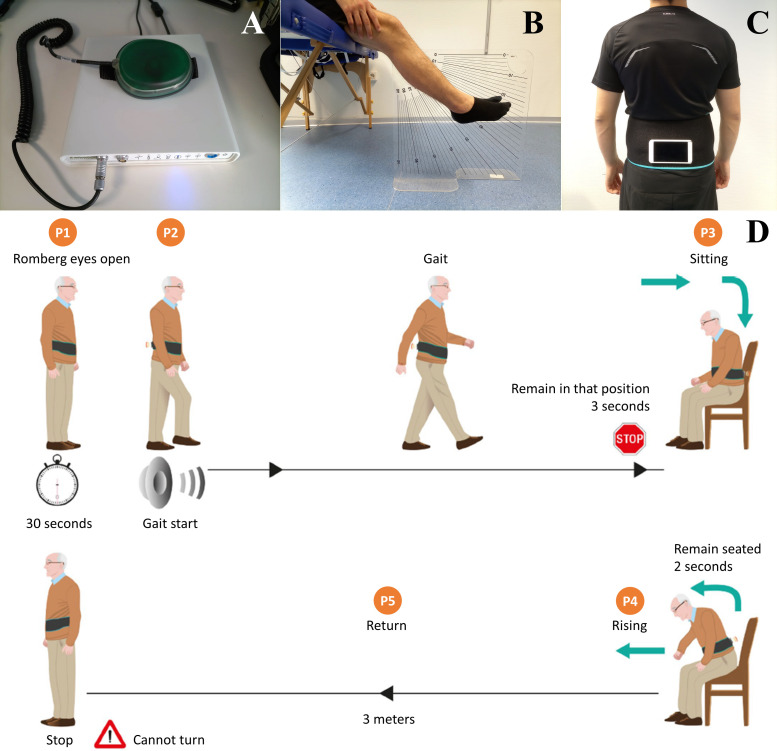
Methods and analysis: The PROKnee trial was designed as a randomised controlled patient-blinded trial with two parallel groups that are currently ongoing. The initial recruitment will be 99 patients scheduled for their first TKA, without previous prosthesis interventions in lower limbs, who will be randomly divided into two groups that differed in the stabilisation methodology incorporated in the knee prosthesis: the MEDIAL-pivot group and the CENTRAL-pivot group. The maximum walking speed will be reported as the primary outcome, and the secondary results will be patient-reported questionnaires related to physical status, cognitive and mental state, radiological test, laboratory analysis and biomechanical instrumented functional performance, such as the 6-minute walking test, timed up-and-go test, gait, sit-to-stand, step-over, and ability to step up and down stairs. All the results will be measured 1 week before TKA and at 1.5, 3, 6 and 12 months after surgery.
Ethics and dissemination: All procedures were approved by the Ethical Committee for Research with Medicines of the University Clinical Hospital of Valencia on 8 October 2020 (order no. 2020/181). Participants are required to provide informed consent for the study and for the surgical procedure. All the data collected will be treated confidentially since they will be blinded and encrypted. The results from the trial will be published in international peer-reviewed scientific journals, regardless of whether these results are negative or inconclusive.
Trial registration number: ClinicalTrials.gov Registry (NCT04850300).
Keywords: Knee; Physical Examination; REHABILITATION MEDICINE.
© Author(s) (or their employer(s)) 2024. Re-use permitted under CC BY-NC. No commercial re-use. See rights and permissions. Published by BMJ.
Conflict of interest statement
Competing interests: None declared.
Figures



References
Publication types
MeSH terms
Associated data
LinkOut - more resources
Full Text Sources
Medical
