. 2024 May 9;9(12):e179433.
doi: 10.1172/jci.insight.179433.

Selective CAR T cell-mediated B cell depletion suppresses IFN signature in SLE

Affiliations

Selective CAR T cell-mediated B cell depletion suppresses IFN signature in SLE

Artur Wilhelm et al. JCI Insight. .

Abstract

Applying advanced molecular profiling together with highly specific targeted therapies offers the possibility to better dissect the mechanisms underlying immune-mediated inflammatory diseases such as systemic lupus erythematosus (SLE) in humans. Here we apply a combination of single-cell RNA-Seq and T/B cell repertoire analysis to perform an in-depth characterization of molecular changes in the immune-signature upon CD19 CAR T cell-mediated depletion of B cells in patients with SLE. The resulting data sets not only confirm a selective CAR T cell-mediated reset of the B cell response but simultaneously reveal consequent changes in the transcriptional signature of monocyte and T cell subsets that respond with a profound reduction in type I IFN signaling. Our current data, thus, provide evidence for a causal relationship between the B cell response and the increased IFN signature observed in SLE and additionally demonstrate the usefulness of combining targeted therapies and analytic approaches to decipher molecular mechanisms of immune-mediated inflammatory diseases in humans.

Keywords: Autoimmune diseases; Autoimmunity; Bioinformatics; Immunology.


Figures
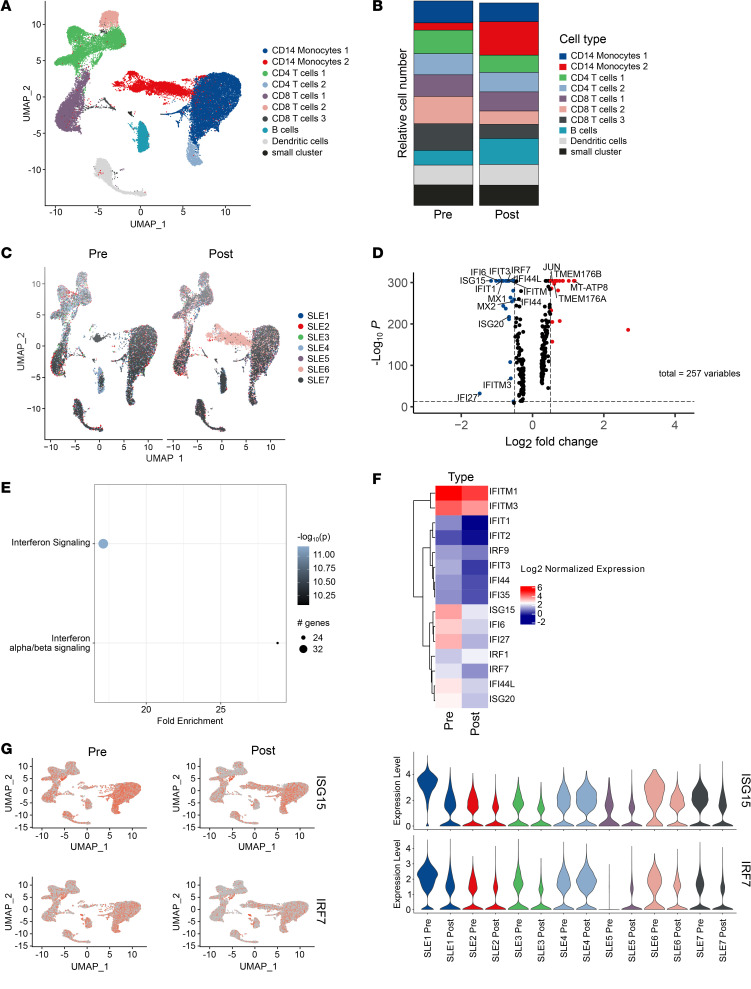
Figure 1
Figure 1. scRNA-Seq–based analysis of PBMCs of patients with SLE.
(AG) Single-cell RNA-Seq–based (scRNA-Seq–based) analysis of peripheral blood mononuclear cells (PBMCs) of patients with SLE (n = 7) before CD19 CAR T cell therapy and after early B cell repopulation. Single data sets from each patient were integrated using the Seurat pipeline into one data set containing approximately 40,700 PBMC. (A) Dimensional reduction of PBMCs revealing indicated UMAP clusters where cluster identities were determined through top cluster gene analysis and the Enrichr package. (B and C) Comparison of single-cell data sets from patients with SLE before anti-CD19 CAR T cell therapy and after early B cell reconstitution. (D) Differential gene expression analysis on the effect of anti-CD19 CAR T cell therapy. (E) Pathway enrichment analysis based on changes in gene expression of total PBMCs. The color intensity reflects the adjusted P value for each pathway. (F) IFN-associated genes are highlighted in a normalized heatmap representing mean gene expression of interferon related genes (n = 15 unique genes) before and after CD19 CAR T cell treatment. (G) Gene expression levels of ISG15 and IRF7 as representative IFN-induced genes are highlighted as a feature plot and in violin plots illustrating expression levels on the basis of individual patients.
Figure 2
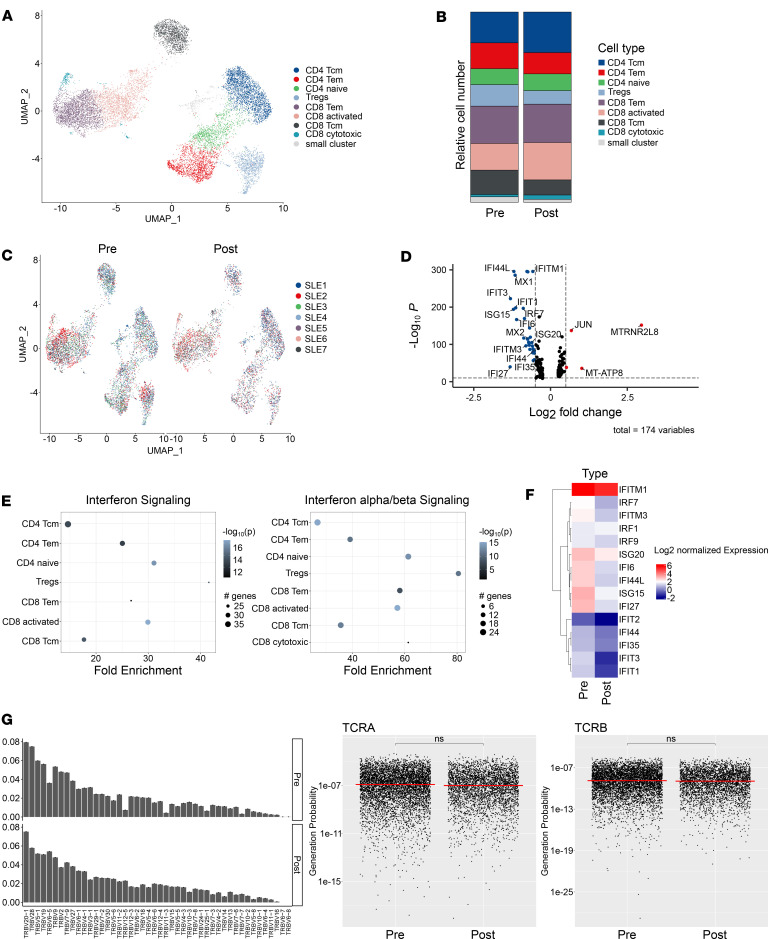
Figure 2. CD19 CAR T cell–mediated changes in T cell signature and TCR repertoire.
(AC) scRNA-Seq–based reclustering and visualization of CD4+ and CD8+ T cells before and after CD19 CAR T cell treatment using dimensionality reduction on a 2D scale in a UMAP plot. (D and E) Volcano plot and pathway enrichment analysis showing the effect of CD19 CAR T cell treatment on the differential gene expression. (F) Heatmap displaying changes of IFN-dependent genes upon CD19 CAR T cell treatment. (G) scRNA-Seq–based T cell receptor repertoire analysis showing V gene usage of TCR-β chains and probability of TCR chain generation based on calculation with the OLGA algorithm. Statistical analyses were performed using the median and 1-tailed t test with Benjamini-Hochberg correction.
Figure 3
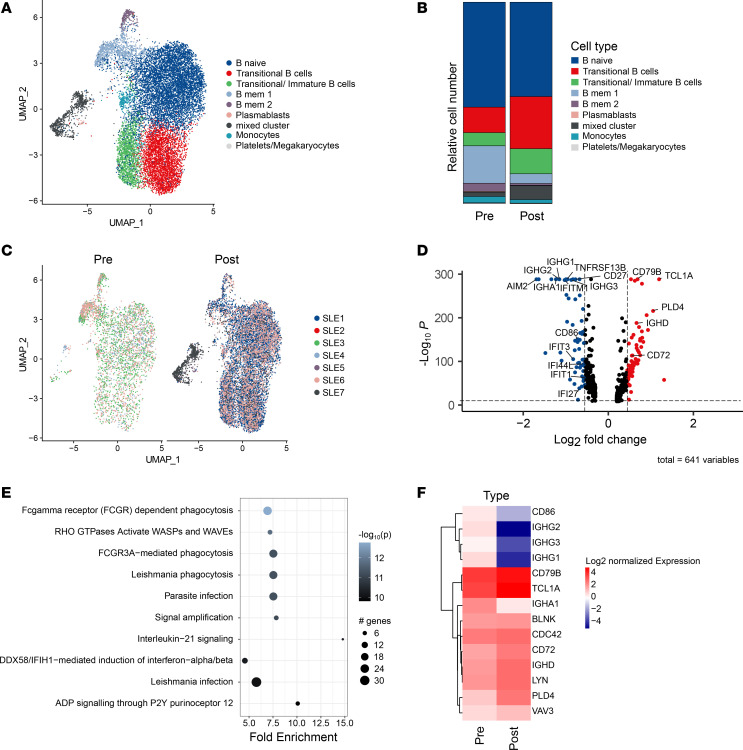
Figure 3. CD19 CAR T cell–mediated changes in B cell signature.
(AF) scRNA-Seq–based analysis of data sets generated from sorted B cells before and after CD19 CAR T cell therapy illustrated as grouped individual UMAP plots (A and C) and calculated relative cell number of indicated B cell subsets (B); differential gene expression (D), gene expression-based pathway analysis (E), and expression of BCR and FcγR signaling related genes (F) in scRNA-Seq data sets derived from isolated B cells before and after CD19 CAR T cell therapy.
Figure 4
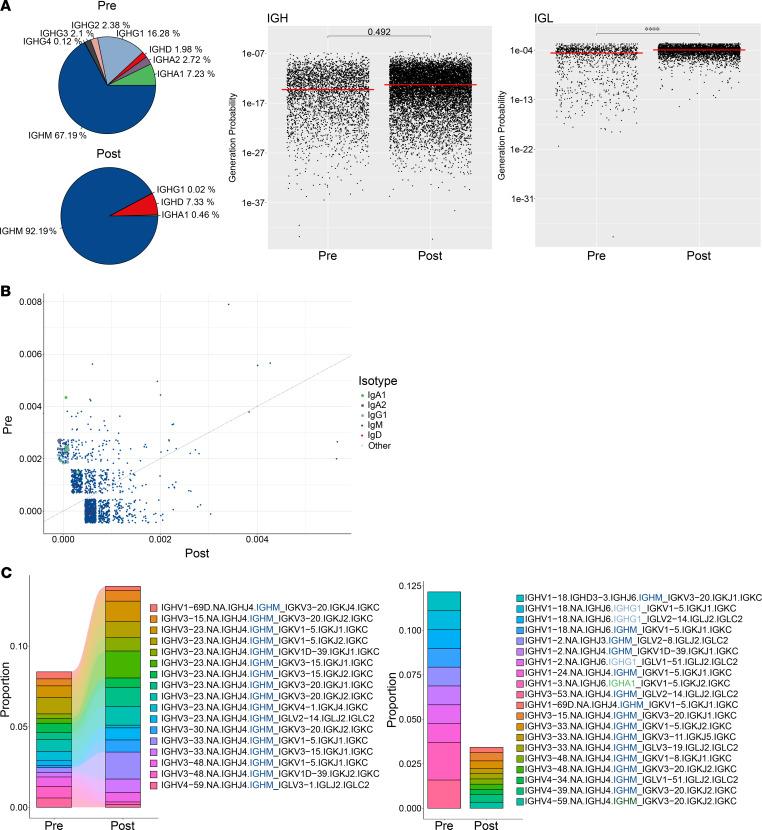
Figure 4. CD19 CAR T cell–mediated changes in B cell repertoire.
(A) BCR repertoire analysis demonstrating prevalence of Ig subclass distribution following CD19 CAR T cell treatment and the probability of generation of BCRs as calculated by the OLGA algorithm. (B) Comparison of expanded clones based on VDJ gene annotation before and after CD19 CAR T cell treatment. (C) Top 10 expanded clone analysis on their sharedness and repertoire proportion. Statistical analyses were performed using the median and t test with Benjamini-Hochberg correction. Significant differences are indicated as follows: ****P ≤ 0.0001.

References

    1. Tsokos GC, et al. New insights into the immunopathogenesis of systemic lupus erythematosus. Nat Rev Rheumatol. 2016;12(12):716–730. doi: 10.1038/nrrheum.2016.186. - DOI - PubMed
    1. Pisetsky DS, Lipsky PE. New insights into the role of antinuclear antibodies in systemic lupus erythematosus. Nat Rev Rheumatol. 2020;16(10):565–579. doi: 10.1038/s41584-020-0480-7. - DOI - PMC - PubMed
    1. Dörner T, et al. Mechanisms of B cell autoimmunity in SLE. Arthritis Res Ther. 2011;13(5):243. doi: 10.1186/ar3433. - DOI - PMC - PubMed
    1. Baechler EC, et al. Interferon-inducible gene expression signature in peripheral blood cells of patients with severe lupus. Proc Natl Acad Sci U S A. 2003;100(5):2610–2615. doi: 10.1073/pnas.0337679100. - DOI - PMC - PubMed
    1. Postal M, et al. Type I interferon in the pathogenesis of systemic lupus erythematosus. Curr Opin Immunol. 2020;67:87–94. doi: 10.1016/j.coi.2020.10.014. - DOI - PMC - PubMed

MeSH terms