


Bleeding Risk in Patients Receiving Omega-3 Polyunsaturated Fatty Acids: A Systematic Review and Meta-Analysis of Randomized Clinical Trials
- PMID: 38742535
- PMCID: PMC11179820
- DOI: 10.1161/JAHA.123.032390
Bleeding Risk in Patients Receiving Omega-3 Polyunsaturated Fatty Acids: A Systematic Review and Meta-Analysis of Randomized Clinical Trials
Abstract
Background: There is a potential concern about increased bleeding risk in patients receiving omega-3 polyunsaturated fatty acids (PUFAs). The aims of this study-level meta-analysis were to determine the risk of bleeding and to assess whether this relationship is linked to the received dose of omega-3 PUFAs or the background use of antiplatelet treatment.
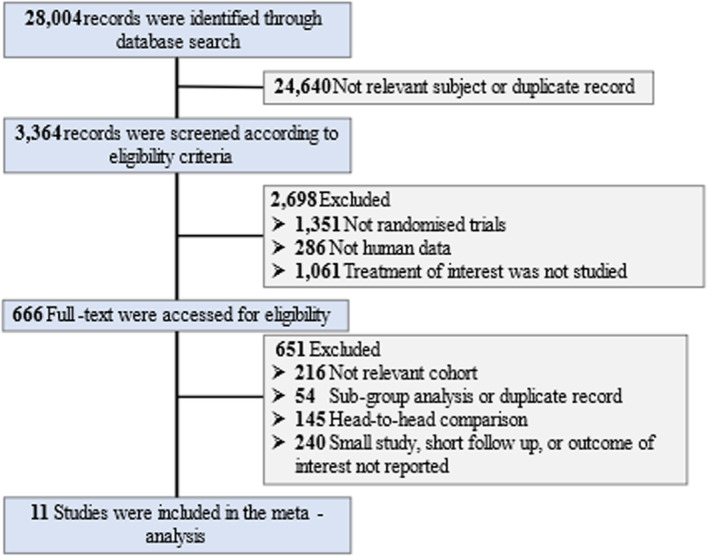
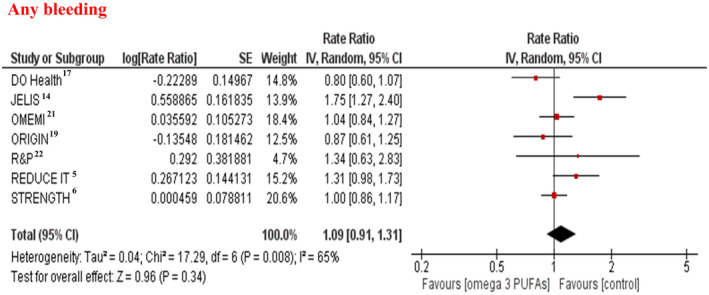
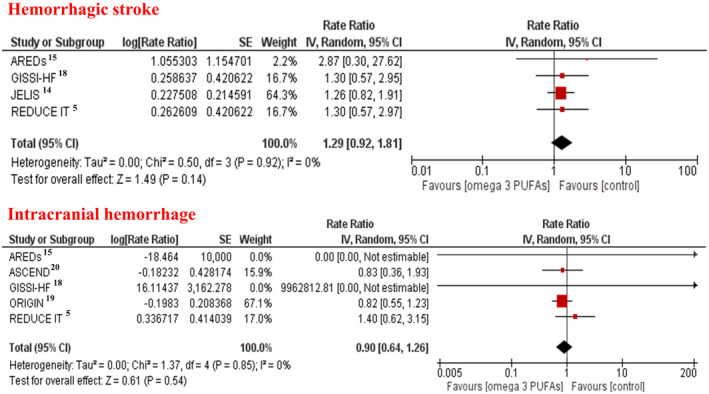
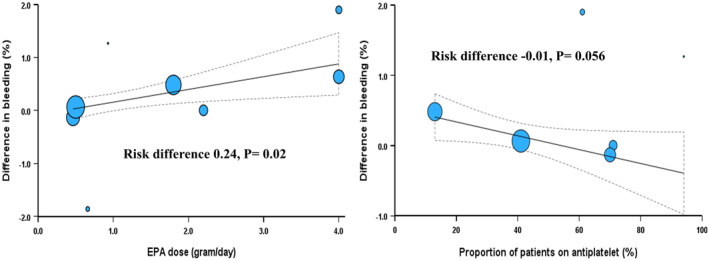
Methods and results: Electronic databases were searched through May 2023 to identify randomized clinical trials of patients receiving omega-3 PUFAs. Overall bleeding events, including fatal and central nervous system events, were identified and compared with those of a control group. A total of 120 643 patients from 11 randomized clinical trials were included. There was no difference in the pooled meta-analytic events of bleeding among patients receiving omega-3 PUFAs and those in the control group (rate ratio [RR], 1.09 [95% CI, 0.91-1.31]; P=0.34). Likewise, the incidence of hemorrhagic stroke, intracranial bleeding, and gastrointestinal bleeding were similar. A prespecified analysis was performed in patients receiving high-dose purified eicosapentaenoic acid (EPA), which demonstrated a 50% increase in the relative risk of bleeding but only a modest increase in the absolute risk of bleeding (0.6%) when compared with placebo. Bleeding risk was associated with the dose of EPA (risk difference, 0.24 [95% CI, 0.05-0.43]; P=0.02) but not the background use of antiplatelet therapy (risk difference, -0.01 [95% CI, -0.02 to 0]; P=0.056).
Conclusions: Omega-3 PUFAs were not associated with increased bleeding risk. Patients receiving high-dose purified EPA may incur additional bleeding risk, although its clinical significance is very modest.
Keywords: antiplatelet; bleeding; meta‐analysis; polyunsaturated fatty acids.
Figures
References
-
- Castaner O, Pinto X, Subirana I, Amor AJ, Ros E, Hernaez A, Martinez‐Gonzalez MA, Corella D, Salas‐Salvado J, Estruch R, et al. Remnant cholesterol, not LDL cholesterol, is associated with incident cardiovascular disease. J Am Coll Cardiol. 2020;76:2712–2724. doi: 10.1016/j.jacc.2020.10.008 - DOI - PubMed
Publication types
MeSH terms
LinkOut - more resources
Full Text Sources
Medical
Research Materials
