


The first reported values of microplastics in prostate
- PMID: 38745203
- PMCID: PMC11092166
- DOI: 10.1186/s12894-024-01495-8
The first reported values of microplastics in prostate
Abstract
Background: Microplastics are ubiquitous, widespread environmental pollutants with unavoidable human exposure. Herein, it was aimed to investigate the presence of microplastics in prostate tissue.
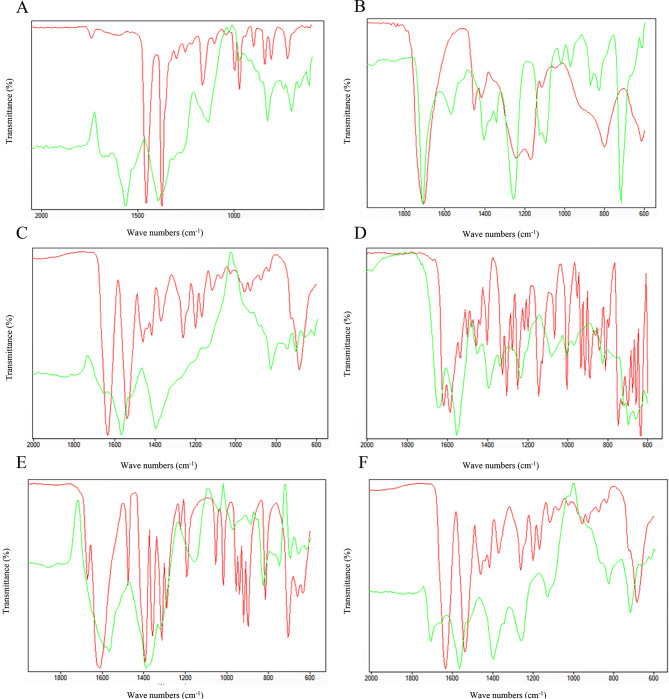
Methods: Prostate tissues from 12 patients who underwent Trans Urethral Resection of the Prostate (TUR-P) were analyzed to investigate the presence of microplastics. Initially, the prostate tissues were analyzed for microplastic particles using a light microscope after extraction. Subsequently, the chemical composition of the particles found in the prostate tissues was characterized using Attenuated Total Reflection-Fourier Transform Infrared (ATR-FTIR) spectrophotometry.
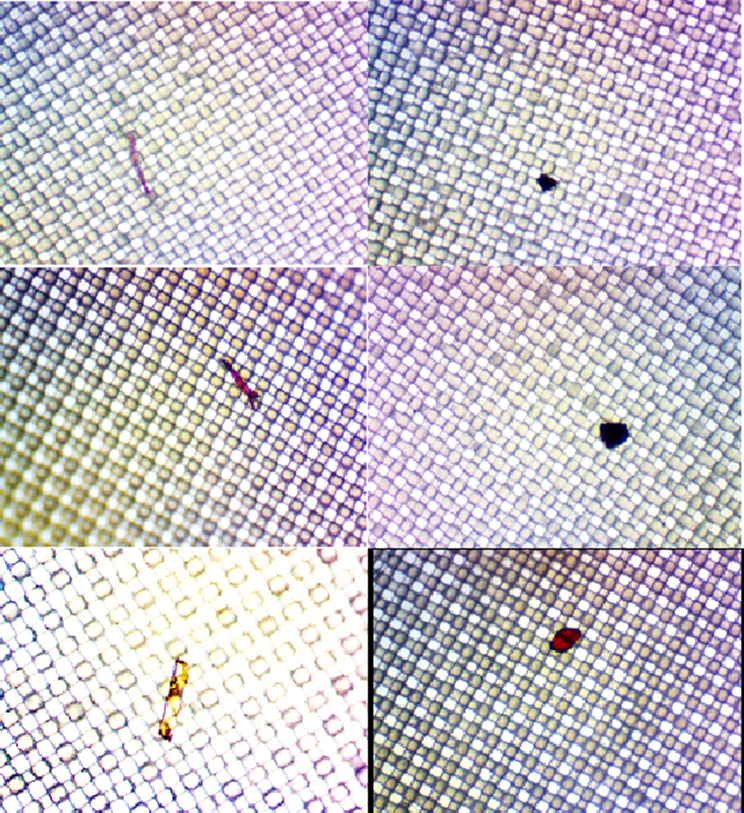
Results: Microplastic particles of various types were detected in 6 out of 12 patients. All detected plastic particles in this study were microplastics, with sizes below 26 μm in size. These microplastics exhibited different shapes as pellets, spheres or fibers. Overall, among the 12 analyzed prostate tissue samples, four different types of plastic were identified in six samples. The most common type of microplastic detected was Polyamide (Nylon 6), found in samples from three patients. Other detected types, Polypropylene, Polyacrylic Acid and Poly (dimethylsiloxane) were each determined in samples from one patient.
Conclusions: This is the first study to demonstrate the presence of microplastics in prostate tissue, serving as an exploratory investigation, which can trigger further research to validate the results in a larger patient cohort.
Keywords: ATR-FTIR spectrophotometry; Microplastic; Polyamide; Prostate.
© 2024. The Author(s).
Conflict of interest statement
There is no conflict of interest between the authors.
Figures
References
-
- PlasticsEurope. Plastics—The Fast Facts. 2023. https://plasticseurope.org/de/knowledge-hub/plastics-the-fast-facts-2023. Accessed 24 Feb 2024.
-
- Cincinelli A, Martellini T, Guerranti C, Scopetani C, Chelazzi D, Giarrizzo T. A potpourri of microplastics in the sea surface and water column of the Mediterranean Sea. TrAC - Trends in Analytical Chemistry; 2019.
MeSH terms
LinkOut - more resources
Full Text Sources
Miscellaneous
