


The association between increased fetal movements in the third trimester and perinatal outcomes; a systematic review and meta-analysis
- PMID: 38750467
- PMCID: PMC11095027
- DOI: 10.1186/s12884-024-06547-3
The association between increased fetal movements in the third trimester and perinatal outcomes; a systematic review and meta-analysis
Abstract
Background: Fetal movement monitoring is one of the strategies used to assess the fetus's health. Until now, most studies focused on the decreased fetal movement and neonatal outcome, although this systematic review and meta-analysis is designed to assess the association between increased fetal movements (IFM) with perinatal outcomes.
Method: The electronic databases including PubMed, Scopus, Web of Science, and EMBASE were systematically searched for studies investigating the perinatal outcome of women with increased fetal movements from inception to July 2023. Following that, a random-effect meta-analysis model was used to obtain the combined diagnostic and predictive parameters including perinatal mortality (still birth and early neonatal mortality), operative delivery, Apgar score, neonatal resuscitation at birth and NICU Admission.
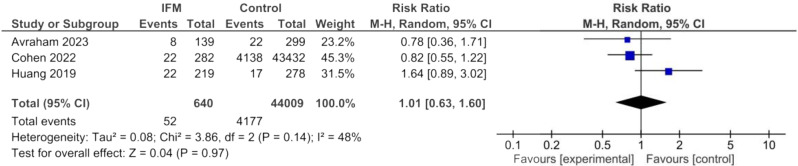
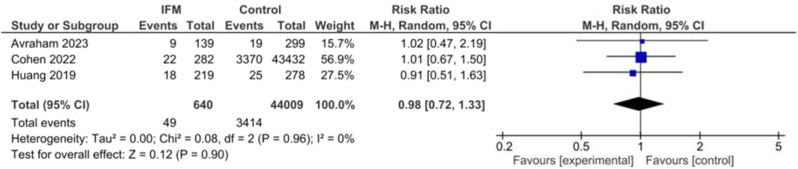
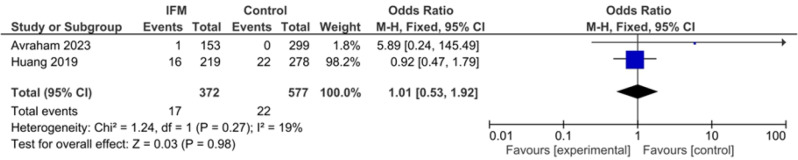
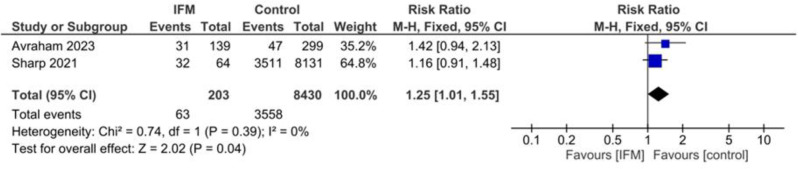
Results: After the initial screening, seven studies examining the association between increased third trimester fetal movement and various perinatal outcomes were included. Meta-analysis revealed a significant reduction in the risk of cesarean delivery among patients with IFM compared to controls, suggesting a potential protective effect during childbirth. However, no statistically significant difference was observed in birth weight, small or large for gestational age births, neonatal intensive care unit admission, maternal age, umbilical cord around the neck, gestational diabetes mellitus, and hypertension, indicating that IFM may not be a major predictor of adverse perinatal outcomes or maternal conditions. Notably, IFM was significantly associated with a higher likelihood of labor induction.
Conclusion: The findings suggest that IFM may have a protective effect against cesarean delivery. Additionally, IFM does not appear to be significantly associated with maternal age, umbilical cord around the neck, gestational diabetes mellitus and hypertension. However, the observed significant association with labor induction warrants further investigation.
Keywords: Fetal demise; Fetal movement; Pregnancy; Systematic review.
© 2024. The Author(s).
Conflict of interest statement
The authors declare no competing interests.
Figures








References
-
- Flenady V, Sexton J. Epidemiology of fetal and neonatal death. Keeling’s fetal neonatal Pathol, 2022: p. 131–57.
-
- Sanchez TE, Meaney S, O’Donoghue K. Modifiable risk factors for stillbirth: a literature review. Midwifery. 2019;79:102539. - PubMed
-
- Flenady V, et al. Major risk factors for stillbirth in high-income countries: a systematic review and meta-analysis. Lancet. 2011;377(9774):1331–40. - PubMed
Publication types
MeSH terms
LinkOut - more resources
Full Text Sources
