Endodontic Applications of Propolis in Primary and Permanent Teeth: A Scoping Review of Clinical Studies
- PMID: 38757564
- PMCID: PMC11413607
- DOI: 10.14744/eej.2024.65487
Endodontic Applications of Propolis in Primary and Permanent Teeth: A Scoping Review of Clinical Studies
Abstract
Objective: The use of propolis-based materials within endodontics to promote pulp wound healing or disinfect the root canal system has been a recent focus of scientists and clinicians. This is mainly because of the well-documented antimicrobial, anti-inflammatory, immunomodulatory and wound healing properties of propolis. This scoping review critically appraises the literature on the clinical applications of propolis-based compounds during endodontic therapy of primary and permanent teeth.
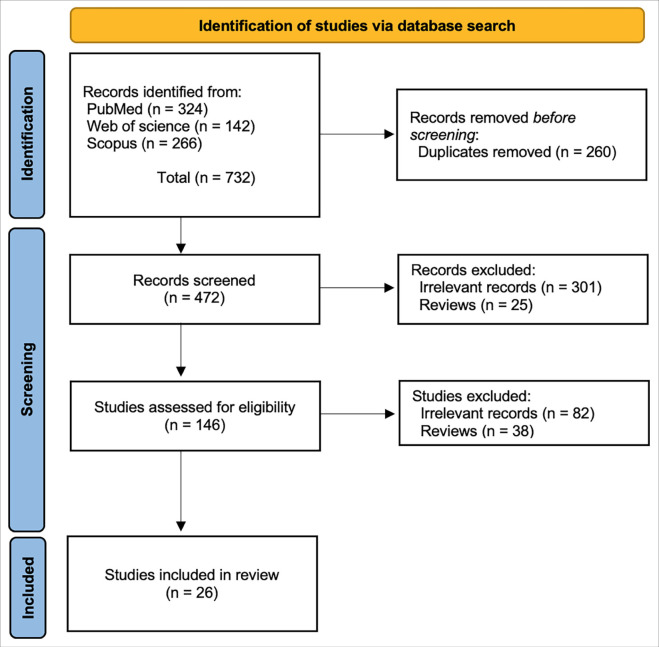
Methods: An electronic literature search was performed in Scopus, PubMed, and Web of Science up to and including October 2023 to identify studies assessing the use of propolis during endodontic therapy of primary and permanent teeth. A combination of relevant MeSh terms and keywords was used. Only human clinical studies written in English were included. The identified manuscripts were screened and assessed for inclusion by two independent authors. Eligible manuscripts were then subjected to critical appraisal and data extraction with the information being summarised according to their clinical application.
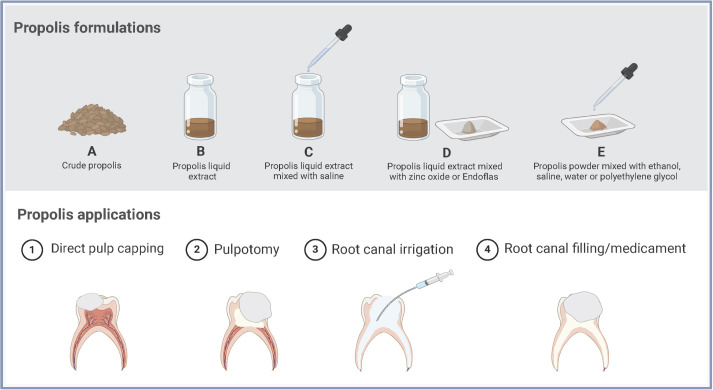
Results: A total of 26 human clinical studies were identified and included in the analysis. Propolis was investigated for use in the primary and permanent dentitions as a direct pulp capping or pulpotomy material as well as in root canal disinfection and root filling of teeth with non-vital pulps. Overall, the studies reported that the use of propolis was associated with promising outcomes in terms of efficacy to control inflammation, enhance tissue repair, and disinfection of the root canal system. However, a critical appraisal of the studies revealed a range of methodological and reporting deficiencies, resulting in unreliable results and conclusions in terms of the clinical outcomes reported.
Conclusion: Although the studies on the use of propolis-based materials in endodontics reported promising clinical outcomes, they had a range of methodological and reporting flaws. Further well-designed and properly reported controlled clinical studies are essential to derive sound evidence-based conclusions on propolis-based materials. Furthermore, guidelines for quality assurance and safe use of propolis-based materials are necessary to enhance their production for commercial use in endodontics.
Conflict of interest statement
All authors declared no conflict of interest.
Figures
References
-
- Ricucci D, Siqueira JF, Li Y, Tay FR. Vital pulp therapy: histopathology and histobacteriology-based guidelines to treat teeth with deep caries and pulp exposure. J Dent. 2019;86:41–52. - PubMed
-
- Cushley S, Duncan HF, Lappin MJ, Chua P, Elamin AD, Clarke M, et al. Efficacy of direct pulp capping for management of cariously exposed pulps in permanent teeth: a systematic review and meta-analysis. Int Endod J. 2021;54(4):556–71. - PubMed
-
- Matoug-Elwerfelli M, ElSheshtawy AS, Duggal M, Tong HJ, Nazzal H. Vital pulp treatment for traumatized permanent teeth: A systematic review. Int Endod J. 2022;55(6):613–29. - PubMed
-
- Coll JA, Seale NS, Vargas K, Marghalani AA, Al Shamali S, Graham L. Primary tooth vital pulp therapy: A systematic review and meta-analysis. Pediatr Dent. 2017;39(1):16–123. - PubMed
-
- Zahran S, Witherden E, Mannocci F, Koller G. Characterization of root canal microbiota in teeth diagnosed with ırreversible pulpitis. J Endod. 2021;47(3):415–23. - PubMed
Publication types
MeSH terms
Substances
LinkOut - more resources
Full Text Sources