Enhancing thromboresistance of neurovascular nickel-titanium devices with responsive heparin hydrogel coatings
- PMID: 38760168
- PMCID: PMC12171471
- DOI: 10.1136/jnis-2024-021836
Enhancing thromboresistance of neurovascular nickel-titanium devices with responsive heparin hydrogel coatings
Abstract
Background: Neurointerventional devices, particularly laser-cut thin-strut stents made of self-expanding nickel-titanium alloy, are increasingly utilized for endovascular applications in intracranial arteries and dural venous sinuses. Preventing thrombosis and stroke necessitates systemic anticoagulant and antiplatelet therapies with the risk of bleeding complications. Antithrombotic coatings present a promising solution.
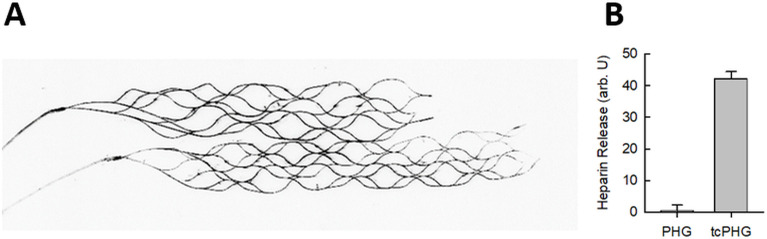
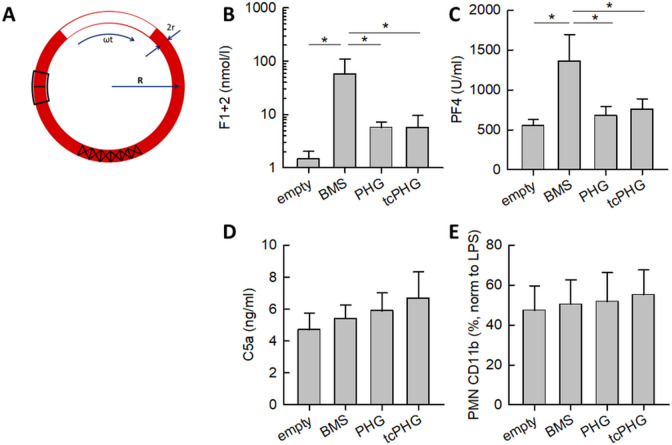
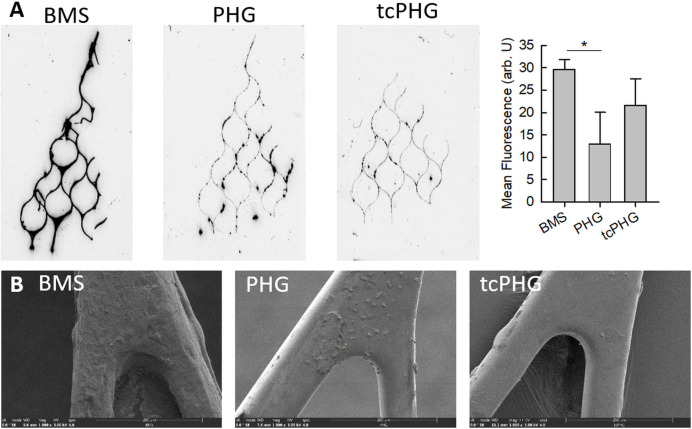
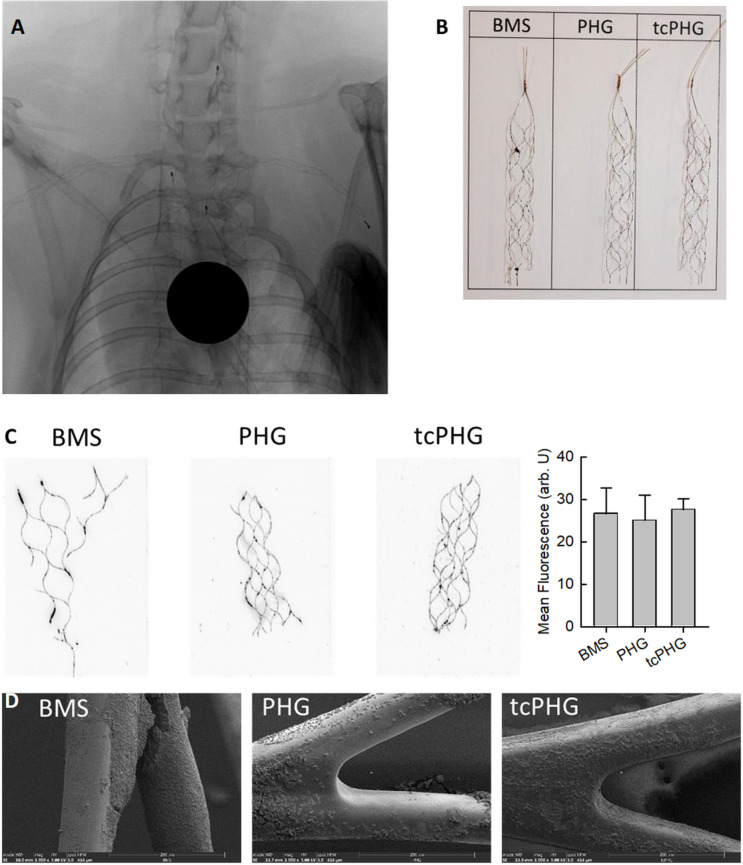
Methods: In this study, we investigated the potential of hydrogels composed of four-armed poly(ethylene glycol) (starPEG) and heparin, with or without coagulation-responsive heparin release, as coatings for neurovascular devices to mitigate blood clot formation. We evaluated the feasibility and efficacy of these coatings on neurovascular devices through in vitro Chandler-Loop assays and implantation experiments in the supra-aortic arteries of rabbits.
Results: Stable and coagulation-responsive starPEG-heparin hydrogel coatings exhibited antithrombotic efficacy in vitro, although with a slightly reduced thromboprotection observed in vivo. Furthermore, the hydrogel coatings demonstrated robustness against shear forces encountered during deployment and elicited only marginal humoral and cellular inflammatory responses compared with the reference standards.
Conclusion: Heparin hydrogel coatings offer promising benefits for enhancing the hemocompatibility of neurointerventional devices made of self-expanding nickel-titanium alloy. The variance in performance between in vitro and in vivo settings may be attributed to differences in low- and high-shear blood flow conditions inherent to these models. These models may represent the differences in venous and arterial systems. Further optimization is warranted to tailor the hydrogel coatings for improved efficacy in arterial applications.
Keywords: Material; Pharmacology; Stent.
© Author(s) (or their employer(s)) 2025. Re-use permitted under CC BY. Published by BMJ Group.
Conflict of interest statement
Competing interests: Matthias Gawlitza reports consultancy agreements with MicroVention, Balt, Phenox. Scientific advisory board of Simq. The other authors declare that they have no competing interests.
Figures
References
-
- Pierot L, Barbe C, Nguyen HA, et al. Intraoperative complications of Endovascular treatment of intracranial aneurysms with coiling or balloon-assisted coiling in a prospective multicenter cohort of 1088 participants: analysis of Recanalization after Endovascular treatment of intracranial aneurysm (ARETA) study. Radiology. 2020;295:381–9. doi: 10.1148/radiol.2020191842. - DOI - PubMed
MeSH terms
Substances
LinkOut - more resources
Full Text Sources
Medical