


Knowledge mapping of links between dendritic cells and allergic diseases: A bibliometric analysis (2004-2023)
- PMID: 38765036
- PMCID: PMC11096944
- DOI: 10.1016/j.heliyon.2024.e30315
Knowledge mapping of links between dendritic cells and allergic diseases: A bibliometric analysis (2004-2023)
Abstract
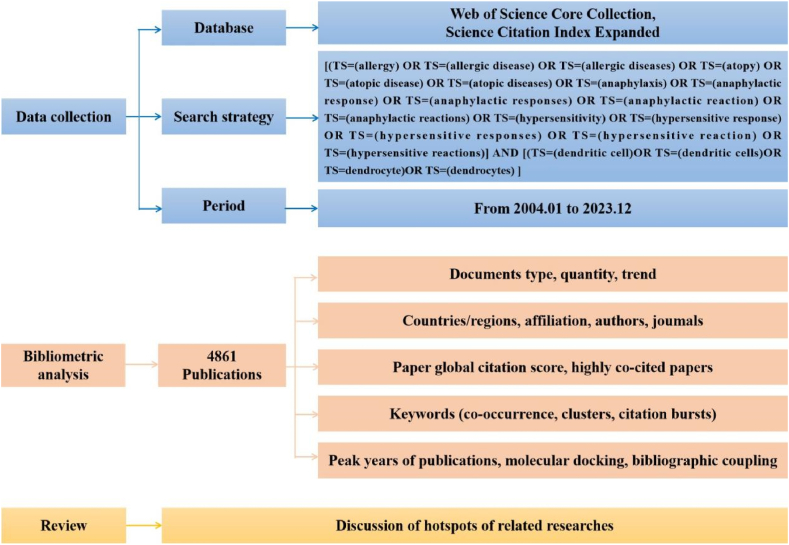
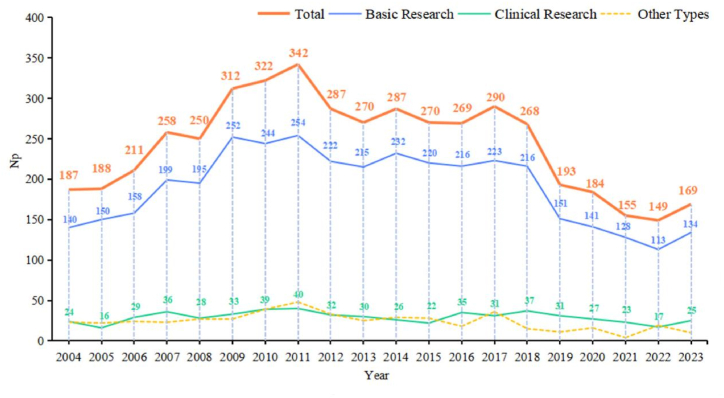
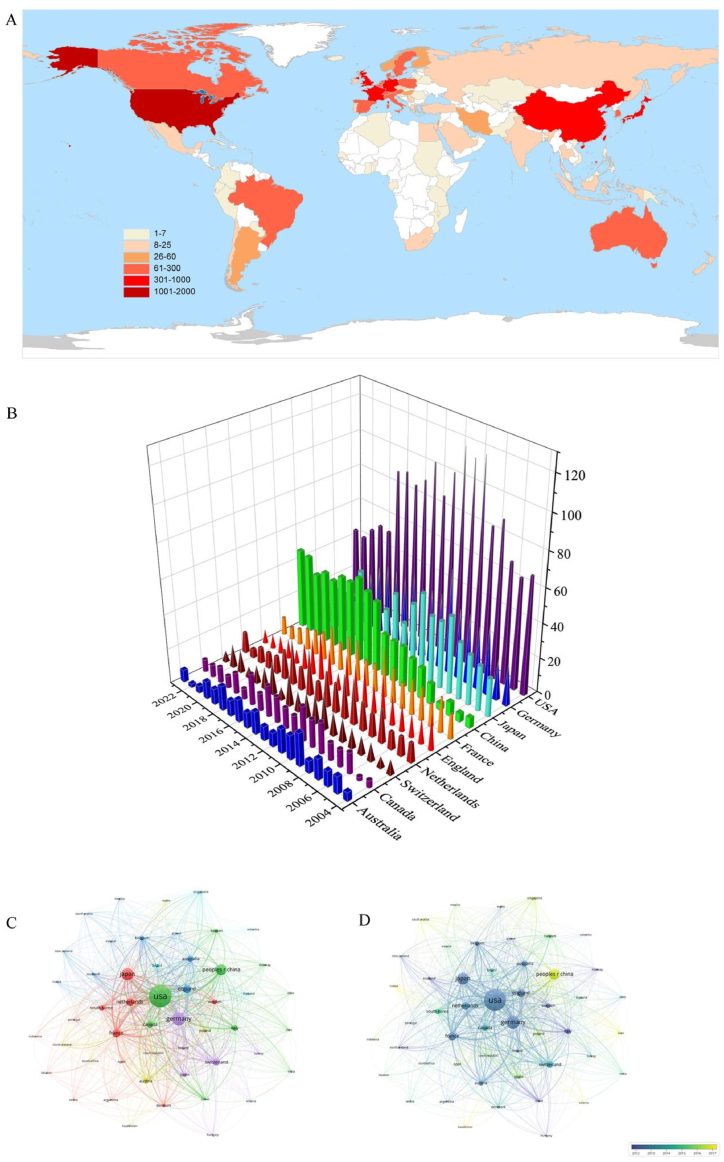
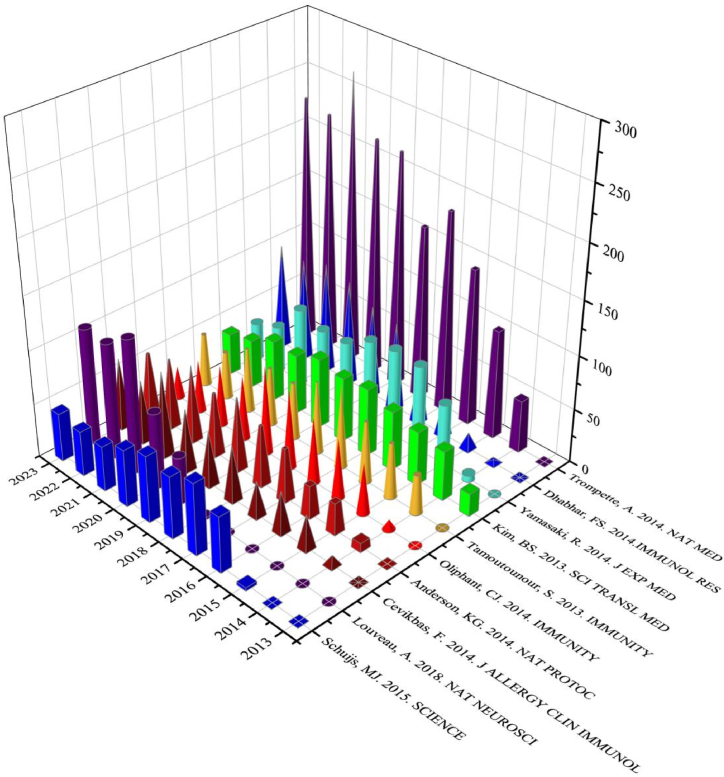
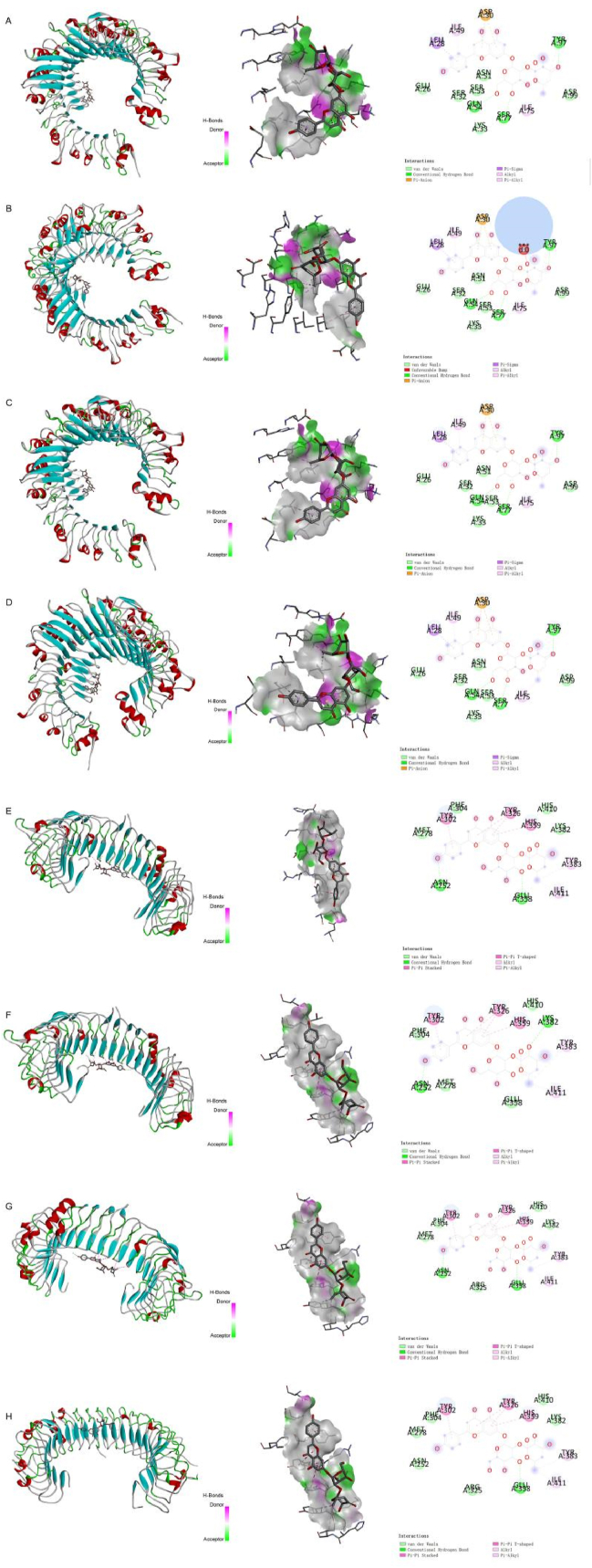
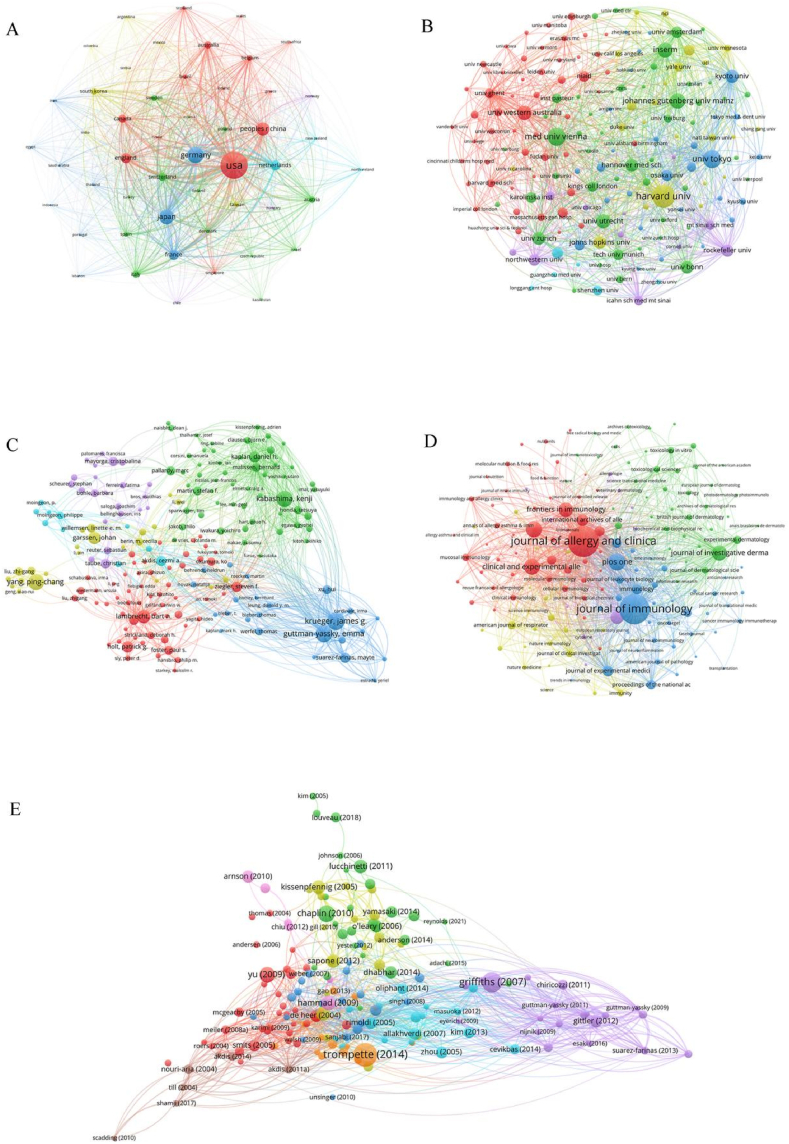
In this study, bibliometric analysis was carried out to comprehend the global research trends, hotspots, scientific frontiers, and output characteristics of the links between dendritic cells (DCs) and allergic diseases from 2004 to 2023. Publications and their recorded information were retrieved from the Web of Science Core Collection (WoSCC). VOSviewer and Citespace were used to visualize the hotspots and trends of research area. ChemBio 3D, Autodock tools, and Discovery Studio were used to visualize the molecular docking results of hotspots. A total of 4861 articles were retrieved. The number of publications (Np) was in a high and stable state. Years 2011 and 2017 were two peaks in Np. The largest contributor in terms of publications, scholars, and affiliations was the USA. The paper published in NATURE MEDICINE (IF: 82.9) and written by Trompette, A in 2006 had the highest global citation score (GCS). Keywords, such as "asthma," "t-cells," "inflammation," "expression," "atopic dermatitis," "food allergy," "gut microbiota," "murine model," and "cytokines related to immunity" appeared the most frequently. Most of the binding free energy of the key active components of Saposhnikovia divaricata docked with toll-like receptor proteins well. This bibliometric study aimed to help better comprehend the present state and make decisions from a macro viewpoint.
Keywords: Allergic diseases; Bibliometric analysis; Dendritic cells; Molecular docking; Visualization.
© 2024 The Authors. Published by Elsevier Ltd.
Conflict of interest statement
The authors declare the following financial interests/personal relationships which may be considered as potential competing interests:Ji Wang reports financial support was provided by 10.13039/501100001809National Natural Science Foundation of China. Ji Wang reports financial support was provided by National Administration of Traditional Chinese Medicine. If there are other authors, they declare that they have no known competing financial interests or personal relationships that could have appeared to influence the work reported in this paper.
Figures
References
-
- Noel J.C., Berin M.C. Role of innate immunity and myeloid cells in susceptibility to allergic disease. Ann. N. Y. Acad. Sci. 2021 Sep;1499(1):42–53. - PubMed
-
- Warner J.O., Kaliner M.A., Crisci C.D., et al. World allergy organization specialty and training council. Allergy practice worldwide: a report by the world allergy organization specialty and training council. Int. Arch. Allergy Immunol. 2006;139(2):166–174. - PubMed
-
- Pawankar R., Canonica G.W., Holgate S.T., et al. Allergic diseases and asthma: a major global health concern. Curr. Opin. Allergy Clin. Immunol. 2012 Feb;12(1):39–41. - PubMed
-
- Liu X., Agerbo E., Schlünssen V., et al. Maternal asthma severity and control during pregnancy and risk of offspring asthma. J. Allergy Clin. Immunol. 2018 Mar;141(3):886–892.e3. - PubMed
LinkOut - more resources
Full Text Sources
Miscellaneous
