


Psychological and social interventions for the promotion of mental health in people living in low- and middle-income countries affected by humanitarian crises
- PMID: 38770799
- PMCID: PMC11106803
- DOI: 10.1002/14651858.CD014300.pub2
Psychological and social interventions for the promotion of mental health in people living in low- and middle-income countries affected by humanitarian crises
Abstract
Background: Because of wars, conflicts, persecutions, human rights violations, and humanitarian crises, about 84 million people are forcibly displaced around the world; the great majority of them live in low- and middle-income countries (LMICs). People living in humanitarian settings are affected by a constellation of stressors that threaten their mental health. Psychosocial interventions for people affected by humanitarian crises may be helpful to promote positive aspects of mental health, such as mental well-being, psychosocial functioning, coping, and quality of life. Previous reviews have focused on treatment and mixed promotion and prevention interventions. In this review, we focused on promotion of positive aspects of mental health.
Objectives: To assess the effects of psychosocial interventions aimed at promoting mental health versus control conditions (no intervention, intervention as usual, or waiting list) in people living in LMICs affected by humanitarian crises.
Search methods: We searched CENTRAL, MEDLINE, Embase, and seven other databases to January 2023. We also searched the World Health Organization's (WHO) International Clinical Trials Registry Platform and ClinicalTrials.gov to identify unpublished or ongoing studies, and checked the reference lists of relevant studies and reviews.
Selection criteria: Randomised controlled trials (RCTs) comparing psychosocial interventions versus control conditions (no intervention, intervention as usual, or waiting list) to promote positive aspects of mental health in adults and children living in LMICs affected by humanitarian crises. We excluded studies that enrolled participants based on a positive diagnosis of mental disorder (or based on a proxy of scoring above a cut-off score on a screening measure).
Data collection and analysis: We used standard Cochrane methods. Our primary outcomes were mental well-being, functioning, quality of life, resilience, coping, hope, and prosocial behaviour. The secondary outcome was acceptability, defined as the number of participants who dropped out of the trial for any reason. We used GRADE to assess the certainty of evidence for the outcomes of mental well-being, functioning, and prosocial behaviour.
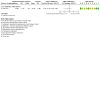
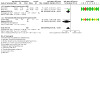
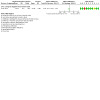
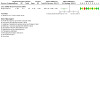
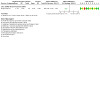
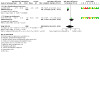
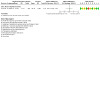
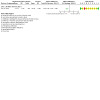
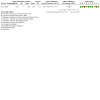
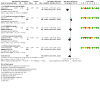
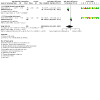
Main results: We included 13 RCTs with 7917 participants. Nine RCTs were conducted on children/adolescents, and four on adults. All included interventions were delivered to groups of participants, mainly by paraprofessionals. Paraprofessional is defined as an individual who is not a mental or behavioural health service professional, but works at the first stage of contact with people who are seeking mental health care. Four RCTs were carried out in Lebanon; two in India; and single RCTs in the Democratic Republic of the Congo, Jordan, Haiti, Bosnia and Herzegovina, the occupied Palestinian Territories (oPT), Nepal, and Tanzania. The mean study duration was 18 weeks (minimum 10, maximum 32 weeks). Trials were generally funded by grants from academic institutions or non-governmental organisations. For children and adolescents, there was no clear difference between psychosocial interventions and control conditions in improving mental well-being and prosocial behaviour at study endpoint (mental well-being: standardised mean difference (SMD) 0.06, 95% confidence interval (CI) -0.17 to 0.29; 3 RCTs, 3378 participants; very low-certainty evidence; prosocial behaviour: SMD -0.25, 95% CI -0.60 to 0.10; 5 RCTs, 1633 participants; low-certainty evidence), or at medium-term follow-up (mental well-being: mean difference (MD) -0.70, 95% CI -2.39 to 0.99; 1 RCT, 258 participants; prosocial behaviour: SMD -0.48, 95% CI -1.80 to 0.83; 2 RCT, 483 participants; both very low-certainty evidence). Interventions may improve functioning (MD -2.18, 95% CI -3.86 to -0.50; 1 RCT, 183 participants), with sustained effects at follow-up (MD -3.33, 95% CI -5.03 to -1.63; 1 RCT, 183 participants), but evidence is very uncertain as the data came from one RCT (both very low-certainty evidence). Psychosocial interventions may improve mental well-being slightly in adults at study endpoint (SMD -0.29, 95% CI -0.44 to -0.14; 3 RCTs, 674 participants; low-certainty evidence), but they may have little to no effect at follow-up, as the evidence is uncertain and future RCTs might either confirm or disprove this finding. No RCTs measured the outcomes of functioning and prosocial behaviour in adults.
Authors' conclusions: To date, there is scant and inconclusive randomised evidence on the potential benefits of psychological and social interventions to promote mental health in people living in LMICs affected by humanitarian crises. Confidence in the findings is hampered by the scarcity of studies included in the review, the small number of participants analysed, the risk of bias in the studies, and the substantial level of heterogeneity. Evidence on the efficacy of interventions on positive mental health outcomes is too scant to determine firm practice and policy implications. This review has identified a large gap between what is known and what still needs to be addressed in the research area of mental health promotion in humanitarian settings.
Copyright © 2024 The Authors. Cochrane Database of Systematic Reviews published by John Wiley & Sons, Ltd. on behalf of The Cochrane Collaboration.
Conflict of interest statement
DP: declares a grant from the European Commission HORIZON‐MSCA‐2021‐PF‐01 research programme (grant agreement No 101061648) to the University of Verona, which has control over it. The funder had no role in the design, conduct or decision to publish the review.
EP: none.
CCec: works for SOS Children's Villages Italy.
CCad: none.
CG: none.
MCF: Public Health Medical Resident at the Public Health Unit in Portugal.
WAT: none.
MvO: works for the WHO.
CB: works as a psychiatrist at the University of Verona and is affiliated with the WHO. He is the Co‐ordinator for Cochrane Global Mental Health and Editor with Cochrane Common Mental Disorders. He was not involved in the editorial process for this review.
MP: none.
The review authors alone are responsible for the views expressed in this article, which do not necessarily represent the views, decisions or policies of the institutions with which they are affiliated.
Figures
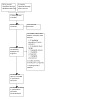
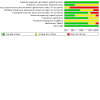
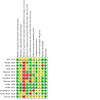
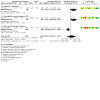
Update of
References
References to studies included in this review
Afifi 2010 {published data only}
-
- Afifi R, Nakkash R, El Hajj T, Mahfoud Z, Hammad S, Makhoul J, et al. Qaderoon youth mental health promotion programme in the Burj El Barajneh Palestinian refugee camp, Beirut, Lebanon: a community-intervention analysis (abstract); 2010. www.thelancet.com/pb/assets/raw/Lancet/abstracts/palestine/S014067361060... (accessed prior to 26 April 2024).
Berger 2018 {published data only}
Dhital 2019 {published data only}
-
- Dhital R, Shibanuma A, Miyaguchi M, Kiriya J, Jimba M. Effect of psycho-social support by teachers on improving mental health and hope of adolescents in an earthquake-affected district in Nepal: a cluster randomized controlled trial. PLOS One 2019;14(10):e0223046. [DOI: 10.1371/journal.pone.0223046] [PMID: ] - DOI - PMC - PubMed
Diab 2015 {published data only}
Dybdahl 2001 {published data only}
James 2020 {published data only}
-
- James LE, Welton-Mitchell C, Noel JR, James AS. Integrating mental health and disaster preparedness in intervention: a randomized controlled trial with earthquake and flood-affected communities in Haiti. Psychological Medicine 2020;50(2):342-52. [DOI: 10.1017/S0033291719000163] [PMID: ] - DOI - PMC - PubMed
Leventhal 2015 {published data only}
Maalouf 2020 {published data only}
Miller 2020 {published data only}
-
- Miller KE, Koppenol-Gonzalez GV, Arnous M, Tossyeh F, Chen A, Nahas N, et al. Supporting Syrian families displaced by armed conflict: a pilot randomized controlled trial of the Caregiver Support Intervention. Child Abuse & Neglect 2020;106:104512. [DOI: 10.1016/j.chiabu.2020.104512] [PMID: ] - DOI - PubMed
Miller 2023 {published data only}
-
- Miller KE, Chen A, Koppenol-Gonzalez GV, Bakolis I, Arnous M, Tossyeh F, et al. Supporting parenting among Syrian refugees in Lebanon: a randomized controlled trial of the caregiver support intervention. Journal of Child Psychology and Psychiatry 2023;64(1):71-82. [DOI: 10.1111/jcpp.13668] - DOI - PMC - PubMed
O'Callaghan 2014 {published data only}
-
- O'Callaghan P, Branham L, Shannon C, Betancourt TS, Dempster M, McMullen J. A pilot study of a family focused, psychosocial intervention with war-exposed youth at risk of attack and abduction in North-Eastern Democratic Republic of Congo. Child Abuse & Neglect 2014;38(7):1197-207. [DOI: 10.1016/j.chiabu.2014.02.004] - DOI - PubMed
-
- Shannon C. A family-based, resilience-focused intervention for war-affected communities in North-eastern Democratic Republic of Congo [Is a family-based, life skills focused intervention effective in reducing psychological distress and stigma and improving inter-personal relations and functioning among former LRA abductees and other war-affected children in their community in Dungu, the Democratic Republic of Congo?]. clinicaltrials.gov/show/nct01542398 (first received 21 February 2012).
Panter‐Brick 2018 {published data only}
-
- Clukay CJ, Matarazzo A, Dajani R, Hadfield K, Panter-Brick C, Mulligan CJ. FAAH, SLC6A4, and BDNF variants are not associated with psychosocial stress and mental health outcomes in a population of Syrian refugee youth. BioRxiv 2019;685636. [DOI: 10.1101/685636] - DOI
-
- Panter-Brick C, Dajani R, Eggerman M, Hermosilla S, Sancilio A, Ager A. Insecurity, distress and mental health: experimental and randomized controlled trials of a psychosocial intervention for youth affected by the Syrian crisis. Journal of Child Psychology and Psychiatry, and Allied Disciplines 2018;59(5):523-41. [DOI: 10.1111/jcpp.12832] [PMID: ] - DOI - PMC - PubMed
-
- Panter-Brick C, Eggerman M, Ager A, Hadfied K, Dajani R. Measuring the psychosocial, biological, and cognitive signatures of profound stress in humanitarian settings: impacts, challenges, and strategies in the field. Conflict and Health 2020;14:40. [DOI: 10.1186/s13031-020-00286-w] - DOI - PMC - PubMed
Yankey 2019 {published data only}
-
- Yankey T, Biswas UN. Impact of Life Skills Training on psychosocial well-being of Tibetan refugee adolescents. International Journal of Migration, Health and Social Care 2019;15(4):272-84. [DOI: 10.1108/IJMHSC-11-2017-0049] - DOI
References to studies excluded from this review
Aber 2017 {published data only}
-
- Aber JL, Tubbs C, Torrente C, Halpin PF, Johnston B, Starkey L, et al. Promoting children's learning and development in conflict-affected countries: testing change process in the Democratic Republic of the Congo. Development and Psychopathology 2017;29(1):53-67. [DOI: 10.1017/S0954579416001139] - DOI - PubMed
Akhtar 2021a {published data only}
-
- Akhtar A, Giardinelli L, Bawaneh A, Awwad M, Al-Hayek H, Whitney C, et al. Feasibility trial of a scalable transdiagnostic group psychological intervention for Syrians residing in a refugee camp. European Journal of Psychotraumatology 2021;12(1):1932295. [DOI: 10.1080/20008198.2021.1932295] - DOI - PMC - PubMed
Akhtar 2021b {published data only}
Akiyama 2018 {published data only}
Baker 2012 {published data only}
Bonilla‐Escobar 2018 {published data only}
-
- Bonilla-Escobar FJ, Fandino-Losada A, Martinez-Buitrago DM, Santaella-Tenorio J, Tobon-Garcia D, Munoz-Morales EJ, et al. A randomized controlled trial of a transdiagnostic cognitive-behavioral intervention for Afro-descendants' survivors of systemic violence in Colombia. PLOS One 2018;13(12):e0208483. [DOI: 10.1371/journal.pone.0208483] - DOI - PMC - PubMed
Bryant 2022 {published data only}
-
- Bryant RA, Bawaneh A, Awwad M, Al-Hayek H, GiardinelliI L, Whitney C, et al. Effectiveness of a brief group behavioral intervention for common mental disorders in Syrian refugees in Jordan: a randomized controlled trial. PLOS Medicine 2022;19(3):e1003949. [DOI: 10.1371/journal.pmed.1003949] - DOI - PMC - PubMed
Chen 2014 {published data only}
Cuijpers 2022 {published data only}
De Graaff 2022 {published data only}
-
- De Graaff A, Sijbrandij M, Cuijpers P. Scalable psychological interventions for Syrian refugees: preliminary results of a randomized controlled trial on the peer-refugee delivered Problem Management Plus (PM +) intervention in the Netherlands. European Psychiatry 2022;65(S1):S636. [DOI: 10.1192/j.eurpsy.2022.1632] - DOI
DRKS00023505 {published data only}
-
- DRKS00023505. Randomized controlled trial to test the (cost-)effectiveness of Step-by-Step, a smartphone-based self-help program for Syrian refugees in Egypt [Randomized controlled trial to test the (cost-)effectiveness of Step-by-Step, a smartphone-based self-help program for Syrian refugees in Egypt – STRENGTHS SBS RCT EGYPT]. trialsearch.who.int/Trial2.aspx?TrialID=DRKS00023505 (first received 3 November 2020).
El‐Khani 2021 {published data only}
-
- El-Khani A, Cartwright K, Maalouf W, Haar K, Zehra N, Cokamay-Yilmaz G, et al. Enhancing Teaching Recovery Techniques (TRT) with parenting skills: RCT of TRT + parenting with trauma-affected Syrian refugees in Lebanon utilising remote training with implications for insecure contexts and COVID-19. International Journal of Environmental Research and Public Health 2021;18(16):16. [DOI: 10.3390/ijerph18168652] - DOI - PMC - PubMed
Farhood 2014 {published data only}
Fine 2021 {published data only}
-
- Fine SL, Malik A, Guimond MF, Nemiro A, Temu G, Likindikoki S, et al. Improving mental health in low-resource settings: a feasibility randomized controlled trial of a transdiagnostic psychological intervention among Burundian refugee adolescents and their caregivers. Behaviour Research and Therapy 2021;145:103944. [DOI: 10.1016/j.brat.2021.103944] - DOI - PubMed
Green 2019 {published data only}
Greene 2021 {published data only}
-
- Greene MC, Likindikoki S, Rees S, Bonz A, Kaysen D, Misinzo L, et al. Evaluation of an integrated intervention to reduce psychological distress and intimate partner violence in refugees: results from the Nguvu cluster randomized feasibility trial. PLOS One 2021;16(6):e0252982. [DOI: 10.1371/journal.pone.0252982] - DOI - PMC - PubMed
Haar 2021 {published data only}
-
- Haar K, El-Khani A, Mostashari G, Hafezi M, Malek A, Maalouf W. Impact of a brief family skills training programme ('Strong Families') on parenting skills, child psychosocial functioning, and resilience in Iran: a multisite controlled trial. International Journal of Environmental Research and Public Health 2021;18(21):23. [DOI: 10.3390/ijerph182111137] - DOI - PMC - PubMed
Hasha 2022 {published data only}
-
- Hasha W, Igland J, Fadnes LT, Kumar BN, Heltne UM, Diaz E. Effect of a self-help group intervention using Teaching Recovery Techniques to improve mental health among Syrian refugees in Norway: a randomized controlled trial. International Journal of Mental Health System 2022;16(1):47. [DOI: 10.1186/s13033-022-00557-4] - DOI - PMC - PubMed
Hirani 2018 {published data only}
-
- Hirani SS, Norris CM, Vliet KJ, Zanten SV, Karmaliani R, Lasiuk G. Social support intervention to promote resilience and quality of life in women living in Karachi, Pakistan: a randomized controlled trial. International Journal of Public Health 2018;63(6):693-702. [DOI: 10.1007/s00038-018-1101-y] - DOI - PubMed
Jordans 2021 {published data only}
-
- Jordans MJ, Kohrt BA, Sangraula M, Turner EL, Wang X, Shrestha P, et al. Effectiveness of Group Problem Management Plus, a brief psychological intervention for adults affected by humanitarian disasters in Nepal: a cluster randomized controlled trial. PLOS Medicine 2021;18(6):e1003621. [DOI: 10.1371/journal.pmed.1003621] - DOI - PMC - PubMed
-
- NCT03747055. Effectiveness of group focused psychosocial support for adults affected by humanitarian crises (GroupPM+) [Effectiveness of group focused psychosocial support to improve the psychosocial well-being and functioning of adults affected by humanitarian crisis in Nepal]. clinicaltrials.gov/show/NCT03747055 (first received 25 May 2018).
Karam 2008 {published data only}
Karibwende 2023 {published data only}
-
- Karibwende F, Niyonsenga J, Biracyaza E, Nyirinkwaya S, Hitayezu I, Sebatukura GS, et al. Efficacy of narrative therapy for orphan and abandoned children with anxiety and attention deficit and hyperactivity disorders in Rwanda: a randomized controlled trial. Journal of Behavior Therapy and Experimental Psychiatry 2023;78:101802. [DOI: 10.1016/j.jbtep.2022.101802] - DOI - PubMed
Kim 2023 {published data only}
-
- Kim HY, Brown L, Tubbs Dolan C, Gjicali K, Deitz R, Prieto Bayona Md, et al. Testing the impact of a skill-targeted social and emotional learning curriculum and its variation by pre- and postmigration conflict experiences: a cluster randomized trial with Syrian refugee children in Lebanon. Journal of Educational Psychology 2023;115(3):502-22. [DOI: 10.1037/edu0000775] - DOI
Koch 2020 {published data only}
Koebach 2021 {published data only}
-
- Koebach A, Carleial S, Elbert T, Schmitt S, Robjant K. Treating trauma and aggression with narrative exposure therapy in former child and adult soldiers: a randomized controlled trial in Eastern DR Congo. Journal of Consulting and Clinical Psychology 2021;89(3):143-55. [DOI: 10.1037/ccp0000632] - DOI - PubMed
Lange‐Nielsen 2012 {published data only}
-
- Lange-Nielsen II, Kolltveit S, Mousa Thabet AA, Dyregrov A, Pallesen S, Backer T, et al. Short-term effects of a writing intervention among adolescents in Gaza. Journal of Loss and Trauma 2012;(5):403-22. [DOI: 10.1080/15325024.2011.650128] - DOI
Lenglet 2018 {published data only}
Li 2022 {published data only}
-
- Li C, Ma C, Li P, Liang Z. The effect of model-based group counseling on the resiliency of disadvantaged adolescents from poor areas of China: a single-blind randomized controlled study. School Mental Health 2022;14:550-67. [DOI: 10.1007/s12310-021-09479-x] - DOI
Miller‐Graff 2022 {published data only}
Morris 2012 {published data only}
-
- Morris J, Jones L, Berrino A, Jordans MJ, Okema L, Crow C. Does combining infant stimulation with emergency feeding improve psychosocial outcomes for displaced mothers and babies? A controlled evaluation from northern Uganda. American Journal of Orthopsychiatry 2012;82(3):349-57. [DOI: 10.1111/j.1939-0025.2012.01168.x] - DOI - PubMed
Murray 2015 {published data only}
-
- Murray LK, Skavenski S, Kane JC, Mayeya J, Dorsey S, Cohen JA, et al. Effectiveness of trauma-focused cognitive behavioral therapy among trauma-affected children in Lusaka, Zambia: a randomized clinical trial. JAMA Pediatrics 2015;169(8):761-9. [DOI: 10.1001/jamapediatrics.2015.0580] - DOI - PMC - PubMed
NCT03359486 {published data only}
-
- NCT03359486. Pilot feasibility study of psychosocial support to improve well-being of adults in humanitarian crises in Nepal (PM +) [Pilot feasibility study of focused psychosocial support to improve the psychosocial well-being and functioning of adults affected by humanitarian crisis in Nepal]. clinicaltrials.gov/show/NCT03359486 (first received 2 December 2017).
Neville 2022 {published data only}
-
- Neville SE, DiClemente-Bosco K, Chamlagai LK, Bunn M, Freeman J, Berent JM, et al. Investigating outcomes of a family strengthening intervention for resettled Somali Bantu and Bhutanese refugees: an explanatory sequential mixed methods study. International Journal of Environmental Research and Public Health 2022;19(19):12415. [DOI: 10.3390/ijerph191912415] - DOI - PMC - PubMed
Newnham 2015 {published data only}
NTR6842 {published data only}
-
- NTR6842. STRENGTHS: fostering responsive mental health systems in the Syrian refugee crisis [Implementation of Problem Management Plus in Syrian refugees: pilot RCT]. trialsearch.who.int/Trial2.aspx?TrialID=NTR6842 (first received 20 November 2017).
Orengo‐Aguayo 2022 {published data only}
-
- Orengo-Aguayo R, Dueweke AR, Nicasio A, Arellano MA, Rivera S, Cohen JA, et al. Trauma-focused cognitive behavioral therapy with Puerto Rican youth in a post-disaster context: tailoring, implementation, and program evaluation outcomes. Child Abuse & Neglect 2022;129:105671. [DOI: 10.1016/j.chiabu.2022.105671] - DOI - PubMed
Ramaiya 2022 {published data only}
-
- Ramaiya MK, McLean CL, Pokharel M, Thapa K, Schmidt MA, Berg M, et al. Feasibility and acceptability of a school-based emotion regulation prevention intervention (READY-Nepal) for secondary school students in post-earthquake Nepal. International Journal of Environmental Research and Public Health 2022;19(21):14497. [DOI: 10.3390/ijerph192114497] - DOI - PMC - PubMed
Sangraula 2020 {published data only}
-
- Sangraula M, Turner EL, Luitel NP, van't Hof E, Shrestha P, Ghimire R, et al. Feasibility of Group Problem Management Plus (PM +) to improve mental health and functioning of adults in earthquake-affected communities in Nepal. Epidemiology and Psychiatric Sciences 2020;29:e130. [DOI: 10.1017/S2045796020000414] - DOI - PMC - PubMed
Sangraula 2023 {published data only}
-
- NCT05477355. Adapting Group PM+ for Venezuelan refugees and migrants in Colombia [Increasing mental health and psychosocial social support for Venezuelan refugees and migrants: adapting group problem management plus (Group PM+) for Venezuelan refugees and migrants in Colombia]. clinicaltrials.gov/study/NCT05477355 (first received 28 July 2022).
-
- Sangraula M, Greene MC, Castellar D, Flechas de la Hoz JC, Diaz J, Merino V, et al. Protocol for a randomized hybrid type 2 trial on the implementation of group Problem Management Plus (PM+) for Venezuelan women refugees and migrants in Colombia. Intervention 2023;21(2):154-69. [DOI: 10.4103/intv.intv_4_23] - DOI
Tam 2020 {published data only}
Tol 2008 {published data only}
Tol 2014 {published data only}
Tol 2020 {published data only}
Weiss 2015 {published data only}
Welton‐Mitchell 2018 {published data only}
-
- CTRI/2018/02/011688. Effectiveness of a disaster preparedness intervention for earthquake affected communities in Nepal [Enhancing community resilience in the acute aftermath of disaster: evaluation of a disaster mental health intervention]. trialsearch.who.int/Trial2.aspx?TrialID=CTRI/2018/02/011688 (first received 4 April 2018).
References to studies awaiting assessment
ACTRN12618000892213 {published data only}
-
- ACTRN12618000892213. Developing and evaluating a parent-level intervention to address child mental health needs in humanitarian contexts. www.anzctr.org.au/Trial/Registration/TrialReview.aspx?id=375118 (first received 25 May 2018).
NCT03760627 {published data only}
-
- NCT03760627. Evaluation of a mindfulness resiliency training program for refugees living in Jordan. clinicaltrials.gov/show/NCT03760627 (first received 16 November 2018).
References to ongoing studies
Jansen 2022 {published data only}
-
- ISRCTN11199072. Evaluation of the impact of community-based sociotherapy on social dignity among beneficiaries dealing with the consequences of genocide in Rwanda. www.isrctn.com/ISRCTN11199072 (first received 13 May 2022). [DOI: 10.1186/ISRCTN11199072] - DOI
-
- Jansen S, Niyonsenga J, Ingabire CM, Jansen A, Nzabonimpa E, Ingabire N, et al. Evaluating the impact of community-based sociotherapy on social dignity in post-genocide Rwanda: study protocol for a cluster randomized controlled trial. Trials 2022;23(1):1035. [DOI: 10.1186/s13063-022-06994-3] - DOI - PMC - PubMed
Additional references
Akhtar 2018
Altman 1996
Andrews 1976
-
- Andrews FM, Crandall R. The validity of measures of self-reported well-being. Social Indicators Research 1976;3:1-19. [DOI: 10.1007/BF00286161] - DOI
APA 1980
-
- American Psychiatric Association. Diagnostic and Statistical Manual of Mental Disorders (DSM-III). 3rd edition. Washington (DC): American Psychiatric Association, 1980.
APA 1987
-
- American Psychiatric Association. Diagnostic and Statistical Manual of Mental Disorders (DSM-III-R). 3rd Revised edition. Washington (DC): American Psychiatric Association, 1987. [DOI: 10.1176/appi.books.9780890420188.dsm-iii-r] - DOI
APA 2000
-
- American Psychiatric Association. Diagnostic and Statistical Manual of Mental Disorders (DSM-IV-TR). 4th Text Revision edition. Washington (DC): American Psychiatric Association, 2000. [DOI: 10.1176/appi.books.9780890420249.dsm-iv-tr] - DOI
APA 2103
-
- American Psychiatric Association. Diagnostic and Statistical Manual of Mental Disorders (DSM-5). 5th edition. Washington (DC): American Psychiatric Association, 2103. [DOI: 10.1176/appi.books.9780890425596] - DOI
Attanayake 2009
Augustinavicius 2018
Bangpan 2019
Barbui 2020
Barry 2013
Betancourt 2008
Betancourt 2013
Borenstein 2019
-
- Borenstein M, Hedges LV, Higgins JP, Rothstein HR. When does it make sense to perform a meta-analysis? In: Introduction to Meta-Analysis. Chichester (UK): John Wiley & Sons, Ltd, 2009:357-64. [DOI: 10.1002/9780470743386] - DOI
Bronfenbrenner 1979
-
- Bronfenbrenner U. The Ecology of Human Development: Experiments by Nature and Design. Cambridge (MA): Harvard University Press, 1979. [DOI: 10.2307/j.ctv26071r6] - DOI
Burckhardt 2003
Carlo 2002
-
- Carlo G, Randall B. The development of a measure of prosocial behaviors for late adolescents. Journal of Youth and Adolescence 2002;31:31-44. [DOI: 10.1023/A:1014033032440] - DOI
Carver 1989
Clarke 2011
Cohen 1988
-
- Cohen J. Statistical Power Analysis in the Behavioral Sciences. 2nd edition. Hillsdale (NJ): Lawrence Erlbaum Associates, Inc, 1988. [ISBN: 0-8058-0283-5]
Connor 2003
Covidence [Computer program]
-
- Covidence. Version accessed 2 March 2021. Melbourne, Australia: Veritas Health Innovation. Available at www.covidence.org.
EPOC 2017
-
- Cochrane Effective Practice and Organisation of Care (EPOC). Data collection form. epoc.cochrane.org/epoc-specific-resources-review-authors 2017.
Frankish 2018
Furukawa 2002
Goodman 1997
GRADEpro GDT [Computer program]
-
- GRADEpro GDT. Version accessed 10 December 2022. Hamilton (ON): McMaster University (developed by Evidence Prime). Available at gradepro.org.
Greene 2017
Guyatt 2013
HHS 2014
-
- United States Department of Health and Human Services. Trauma-Informed Care in Behavioral Health Services. Rockville (MD): SAMHSA's Publications, 2014. [PMID: ]
Higgins 2017
-
- Higgins JP, Altman DG, Sterne JA, editor(s). Chapter 8: Assessing risk of bias in included studies. In: Higgins JP, Churchill R, Chandler J, Cumpston MS, editor(s). Cochrane Handbook for Systematic Reviews of Interventions Version 5.2.0 (updated June 2017). Cochrane, 2017. Available from training.cochrane.org/handbook/archive/v5.2.
Higgins 2021
-
- Higgins JP, Thomas J, Chandler J, Cumpston M, Li T, Page MJ, Welch VA, editor(s). Cochrane Handbook for Systematic Reviews of Interventions Version 6.2 (updated February 2021). Cochrane, 2021. Available from training.cochrane.org/handbook/archive/v6.2.
Hjemdal 2011
-
- Hjemdal O, Friborg O, Braun S, Kempenaers C, Linkowski P, Fossion P. The resilience scale for adults: construct validity and measurement in a Belgian sample. International Journal of Testing 2011;11(1):53-70. [DOI: 10.1080/15305058.2010.508570] - DOI
Hobfoll 2007
Hyde 2003
IASC 2007
-
- Inter-Agency Standing Committee (IASC) reference group for Mental Health and Psychosocial support in Emergency settings. IASC Guidelines on the Mental Health and Psychosocial Support in Emergency Settings; 2007. interagencystandingcommittee.org/iasc-task-force-mental-health-and-psych... (accessed prior to 29 April 2024).
Institute of Medicine 1994
Institute of Medicine 2009
-
- Institute of Medicine. Prevention of specific disorders and promotion of mental health. In: Preventing Mental, Emotional, and Behavioral Disorders Among Young People: Progress and Possibilities. Washington (DC): The National Academies Press, 2009:191-220. [ISBN-13: 978-0-309-12674-8] - PubMed
Johnson 2006
Jordans 2016
Kamali 2020
Kohrt 2013
-
- Kohrt BA, Rasmussen A, Kaiser BN, Haroz EE, Maharjan SM, Mutamba BB, et al. Cultural concepts of distress and psychiatric disorders: literature review and research recommendations for global mental health epidemiology. International Journal of Epidemiology 2013;43(2):1-42. [DOI: 10.1093/ije/dyt227] - DOI - PMC - PubMed
Langendam 2013
Lund 2018
Marmot 2014
Miller 2016
Miller 2021
Morina 2017
National Academies of Sciences 2019
-
- National Academies of Sciences, Engineering, and Medicine, Division of Behavioral and Social Sciences and Education, Board on Children, Youth, and Families, Committee on Fostering Healthy Mental, Emotional, and Behavioral Development Among Children and Youth. Fostering Healthy Mental, Emotional, and Behavioral Development in Children and Youth: a National Agenda. Washington (DC): National Academies Press (US). The National Academies Collection: Reports funded by National Institutes of Health, 2019. [DOI: 10.17226/25201] - DOI - PubMed
O'Reilly 2018
OCHA 2021
-
- United Nations Office for the Coordination of Humanitarian Affairs (OCHA). ReliefWeb. reliefweb.int/ (accessed prior to 10 December 2021).
Page 2021
Papola 2020
-
- Papola D, Purgato M, Gastaldon C, Bovo C, Ommeren M, Barbui C, et al. Psychological and social interventions for the prevention of mental disorders in people living in low- and middle-income countries affected by humanitarian crises. Cochrane Database of Systematic Reviews 2020, Issue 9. Art. No: CD012417. [DOI: 10.1002/14651858.CD012417.pub2] - DOI - PMC - PubMed
Papola 2022b
-
- Papola D, Ostuzzi G, Tedeschi F, Gastaldon C, Purgato M, Del Giovane C, et al. Comparative efficacy and acceptability of psychotherapies for panic disorder with or without agoraphobia: systematic review and network meta-analysis of randomised controlled trials. British Journal of Psychiatry 2022;221(3):507-19. [DOI: 10.1192/bjp.2021.148] - DOI - PubMed
Papola 2023 [pers comm]
-
- Papola D. Additional unpublished data in your trial [personal communication]. Email to: C Panter-Brick 5 September 2022.
Papola 2024
-
- Papola D, Barbui C, Patel V. Leave no one behind: rethinking policy and practice at the national level to prevent mental disorders. Mental Health & Prevention 2024;33:200317. [DOI: 10.1016/j.mhp.2023.200317] - DOI
Patel 2007
Patel 2008
Patel 2010
-
- Patel V, Weiss HA, Chowdhary N, Naik S, Pednekar S, Chatterjee S, et al. Effectiveness of an intervention led by lay health counsellors for depressive and anxiety disorders in primary care in Goa, India (MANAS): a cluster randomised controlled trial. Lancet 2010;376(9758):2086-95. [DOI: 10.1016/S0140-6736(10)61508-5] - DOI - PMC - PubMed
Patel 2014
Patel 2018
Petersen 2016
-
- Petersen I, Evans-Lacko S, Semrau M, Barry MM, Chisholm D, Gronholm P, et al. Promotion, prevention and protection: interventions at the population- and community-levels for mental, neurological and substance use disorders in low- and middle-income countries. International Journal of Mental Health Systems 2016;10:30. [DOI: 10.1186/s13033-016-0060-z] - DOI - PMC - PubMed
Puffer 2017
Purgato 2012
Purgato 2016
-
- Purgato M, Gastaldon C, Papola D, Ommeren M, Barbui C, Tol WA. Psychological and social interventions for the prevention of mental disorders in people living in low- and middle-income countries affected by humanitarian crises. Cochrane Database of Systematic Reviews 2016, Issue 11. Art. No: CD012417. [DOI: 10.1002/14651858.CD012417.pub2] - DOI - PMC - PubMed
Purgato 2018
-
- Purgato M, Gastaldon C, Papola D, Ommeren M, Barbui C, Tol WA. Psychological therapies for the treatment of mental disorders in low- and middle-income countries affected by humanitarian crises. Cochrane Database of Systematic Reviews 2018, Issue 7. Art. No: CD011849. [DOI: 10.1002/14651858.CD011849.pub2] - DOI - PMC - PubMed
Purgato 2020a
-
- Purgato M, Uphoff E, Singh R, Thapa Pachya A, Abdulmalik J, Ginneken N. Promotion, prevention and treatment interventions for mental health in low- and middle-income countries through a task-shifting approach. Epidemiology and Psychiatric Sciences 2020;29:e150. [DOI: 10.1017/S204579602000061X] - DOI - PMC - PubMed
Purgato 2020b
-
- Purgato M, Tedeschi F, Betancourt TS, Bolton P, Bonetto C, Gastaldon C, et al. Mediators of focused psychosocial support interventions for children in low-resource humanitarian settings: analysis from an individual participant dataset with 3,143 participants. Journal of Child Psychology and Psychiatry 2020;61(5):584-93. [DOI: 10.1111/jcpp.13151] - DOI - PubMed
Purgato 2021a
Purgato 2021b
-
- Purgato M, Abdulmalik JO, Prina E, Ceccarelli C, Tol WA, Ginneken N, et al. Primary-level and community worker interventions for the prevention of mental disorders and the promotion of well-being in low- and middle-income countries. Cochrane Database of Systematic Reviews 2021, Issue 3. Art. No: CD014722. [DOI: 10.1002/14651858.CD014722] - DOI - PMC - PubMed
Purgato 2023
-
- Purgato M, Prina E, Ceccarelli C, Cadorin C, Abdulmalik JO, Amaddeo F, et al. Primary-level and community worker interventions for the prevention of mental disorders and the promotion of well-being in low- and middle-income countries. Cochrane Database of Systematic Reviews 2023, Issue 10. Art. No: CD014722. [DOI: 10.1002/14651858.CD014722.pub2] - DOI - PMC - PubMed
Review Manager 2024 [Computer program]
-
- Review Manager (RevMan). Version 7.2.0. The Cochrane Collaboration, 2024. Available at revman.cochrane.org.
Ridley 2020
Siriwardhana 2014
Snyder 1991
Snyder 1997
Spirito 1988
Steel 2009
-
- Steel Z, Chey T, Silove D, Marnane C, Bryant RA, Ommeren M. Association of torture and other potentially traumatic events with mental health outcomes among populations exposed to mass conflict and displacement: a systematic review and meta-analysis. Journal of the American Medical Association 2009;302(5):537-49. [DOI: 10.1001/jama.2009.1132] - DOI - PubMed
Sterne 2011
The Sphere Project 2011
-
- The Sphere Project. Humanitarian charter and minimum standards in humanitarian response; 2011. www.sphereproject.org (accessed prior to 16 November 2023).
Themnér 2013
-
- Themnér L, Wallensteen P. Armed Conflicts, 1946–2012. Journal of Peace Research 2013;50(4):509-21. [DOI: 10.1177/0022343313494396] - DOI
Theron 2016
-
- Theron LC. Toward a culturally and contextually sensitive understanding of resilience: privileging the voices of Black, South African young people. Journal of Adolescent Research 2016;31(6):635-70. [DOI: 10.1177/0743558415600072] - DOI
Tol 2008
-
- Tol WA, Jordans MD, Reis R, Jong J. Ecological resilience: working with child-related psychosocial resources in war-affected communities. In: Brom D, Pat-Horenczyk R, Ford JD, editors(s). Treating Traumatized Children: Risk, Resilience and Recovery. Abingdon (UK): Routledge/Taylor & Francis Group, 2008:164-82. [ISBN: 9780203893104]
Tol 2011
Tol 2013
-
- Tol WA, Song S, Jordans MJ. Annual research review: resilience and mental health in children and adolescents living in areas of armed conflict – a systematic review of findings in low- and middle-income countries. Journal of Child Psychology and Psychiatry 2013;54:445-60. [DOI: 10.1111/jcpp.12053] - DOI - PubMed
Tol 2015
Topp 2015
Ukoumunne 1999
-
- Ukoumunne OC, Gulliford MC, Chinn S, Sterne JA, Burney PG. Methods for evaluating area-wide and organisation-based interventions in health and health care: a systematic review. Health Technology Assessment 1999;3(5):92. [PMID: ] - PubMed
Ungar 2011
-
- Ungar M, Liebenberg L. Assessing resilience across cultures using mixed methods: construction of the Child and Youth Resilience Measure. Journal of Mixed Methods Research 2011;5(2):126-49. [ISSN: ISSN-1558-6898]
Ungar 2013
Ungar 2020
UNHCR 2015
-
- United Nations High Commissioner for Refugees (UNHCR), The United Nations Refugee Agency. Statistical yearbook 2015. www.unhcr.org/uk/statistics/country/59b294387/unhcr-statistical-yearbook... (accessed prior to 16 November 2023).
UNHCR 2020
-
- United Nations High Commissioner for Refugees (UNHCR), the United Nations Refugee Agency. Global Report 2020. reporting.unhcr.org/sites/default/files/gr2020/pdf/GR2020_English_Full_l... (accessed prior to 16 November 2023).
UNICEF 2021
-
- United Nations Children's Fund. The state of the world's children 2021: on my mind – promoting, protecting and caring for children's mental health. www.unicef.org/media/114636/file/SOWC-2021-full-report-English.pdf (accessed prior to 16 November 2023).
Uphoff 2020
-
- Uphoff E, Robertson L, Cabieses B, Villalón FJ, Purgato M, Churchill R, et al. An overview of systematic reviews on mental health promotion, prevention, and treatment of common mental disorders for refugees, asylum seekers, and internally displaced persons. Cochrane Database of Systematic Reviews 2020, Issue 9. Art. No: CD013458. [DOI: 10.1002/14651858.CD013458.pub2] - DOI - PMC - PubMed
van Ginneken 2021
-
- Ginneken N, Chin WY, Lim YC, Ussif A, Singh R, Shahmalak U, et al. Primary-level worker interventions for the care of people living with mental disorders and distress in low- and middle-income countries. Cochrane Database of Systematic Reviews 2021, Issue 8. Art. No: CD009149. [DOI: 10.1002/14651858.CD009149.pub3] - DOI - PMC - PubMed
Vara 2012
-
- Vara R, Patel N. Working with interpreters in qualitative psychological research: methodological and ethical issues. Qualitative Research in Psychology 2012;9(1):75-87. [DOI: 10.1080/14780887.2012.630830] - DOI
Walker 2005
-
- Walker L, Verins I, Moodie R, Webster K. Responding to the social and economic determinants of mental health: a conceptual framework for action. In: Herrman H, Saxena S, Moodie R, editors(s). Promoting Mental Health: Concepts, Emerging Evidence, Practice. Geneva (Switzerland): World Health Organization, 2005.
Wessells 2015
Wessells 2018
WHO 1992
-
- World Health Organization. The Tenth Revision of the International Classification of Diseases and Related Health Problems (ICD-10); 1992. apps.who.int/iris/bitstream/handle/10665/42980/9241546530_eng.pdf (accessed prior to 16 November 2023).
WHO 2004
-
- World Health Organization. Promoting mental health: concepts, emerging evidence, practice: a report of the World Health Organization, Department of Mental Health and Substance Abuse in collaboration with the Victorian Health Promotion Foundation and The University of Melbourne; 2004. www.who.int/mental_health/evidence/en/promoting_mhh.pdf (accessed prior to 16 November 2023).
WHO 2010
-
- World Health Organization. Measuring health and disability: manual for WHO Disability Assessment Schedule 2.0 (WHODAS 2.0); 2010. www.who.int/publications/i/item/measuring-health-and-disability-manual-f... (accessed prior to 16 November 2023).
WHO 2012
-
- World Health Organization. The World Health Organization Quality of Life (WHOQOL); 2012. www.who.int/publications/i/item/WHO-HIS-HSI-Rev.2012.03 (accessed prior to 16 November 2023).
WHO 2018a
-
- World Health Organization. Mental health: strengthening our response; March 2018. www.who.int/mediacentre/factsheets/fs220/en/ (accessed prior to 16 November 2023).
WHO 2018b
-
- World Health Organization Regional Office for Europe. Mental health promotion and mental health care in refugees and migrants. Technical guidance; 2018. www.euro.who.int/__data/assets/pdf_file/0004/386563/mental-health-eng.pdf (accessed prior to 16 November 2023).
WHO 2018c
-
- World Health Organization. Fact sheets on sustainable development goals: health targets; 2018. www.euro.who.int/__data/assets/pdf_file/0017/348011/Fact-sheet-SDG-Menta... (accessed prior to 16 November 2023).
Williams 2005
Windle 2011
World Bank 2021
-
- The World Bank. World Bank Country and Lending Groups; 2021. www.worldbank.org (accessed prior to 16 November 2023).
References to other published versions of this review
Papola 2022a
-
- Papola D, Prina E, Ceccarelli C, Gastaldon C, Tol WA, Ommeren M, et al. Psychological and social interventions for the promotion of mental health in people living in low- and middle-income countries affected by humanitarian crises. Cochrane Database of Systematic Reviews 2022, Issue 4. Art. No: CD014300. [DOI: 10.1002/14651858.CD014300] - DOI - PMC - PubMed
Publication types
MeSH terms
Grants and funding
LinkOut - more resources
Full Text Sources
Medical
Miscellaneous
