


Gut microbiota-metabolite interactions meditate the effect of dietary patterns on precocious puberty
- PMID: 38784002
- PMCID: PMC11112371
- DOI: 10.1016/j.isci.2024.109887
Gut microbiota-metabolite interactions meditate the effect of dietary patterns on precocious puberty
Erratum in
-
Erratum: Gut microbiota-metabolite interactions meditate the effect of dietary patterns on precocious puberty.iScience. 2025 Sep 8;28(9):113447. doi: 10.1016/j.isci.2025.113447. eCollection 2025 Sep 19. iScience. 2025. PMID: 40978137 Free PMC article.
Abstract
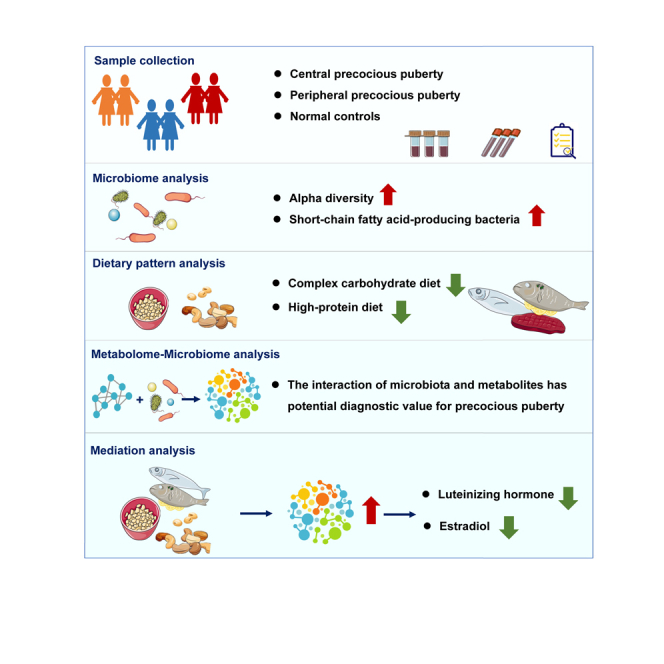
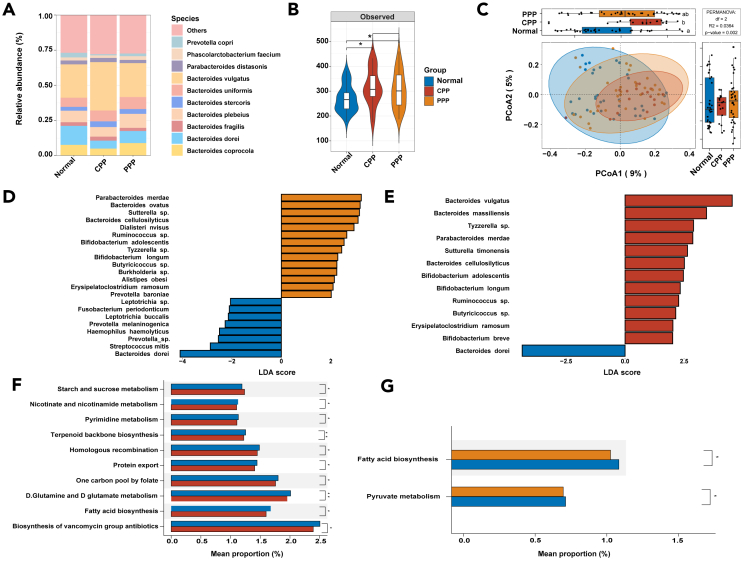
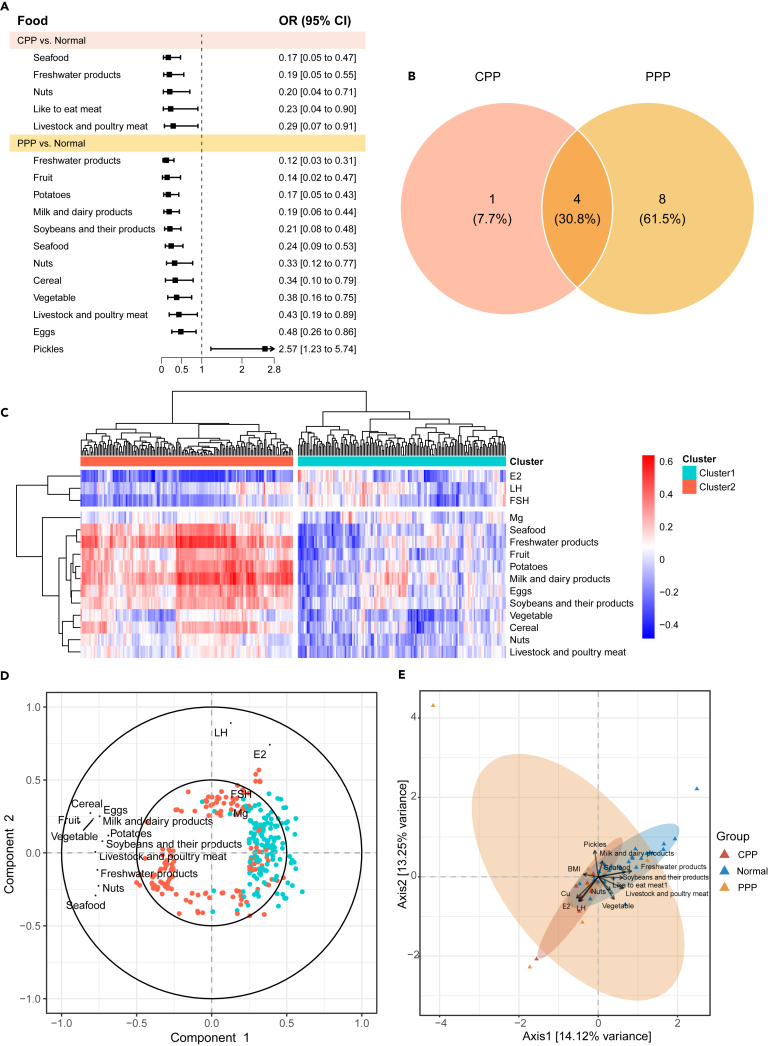
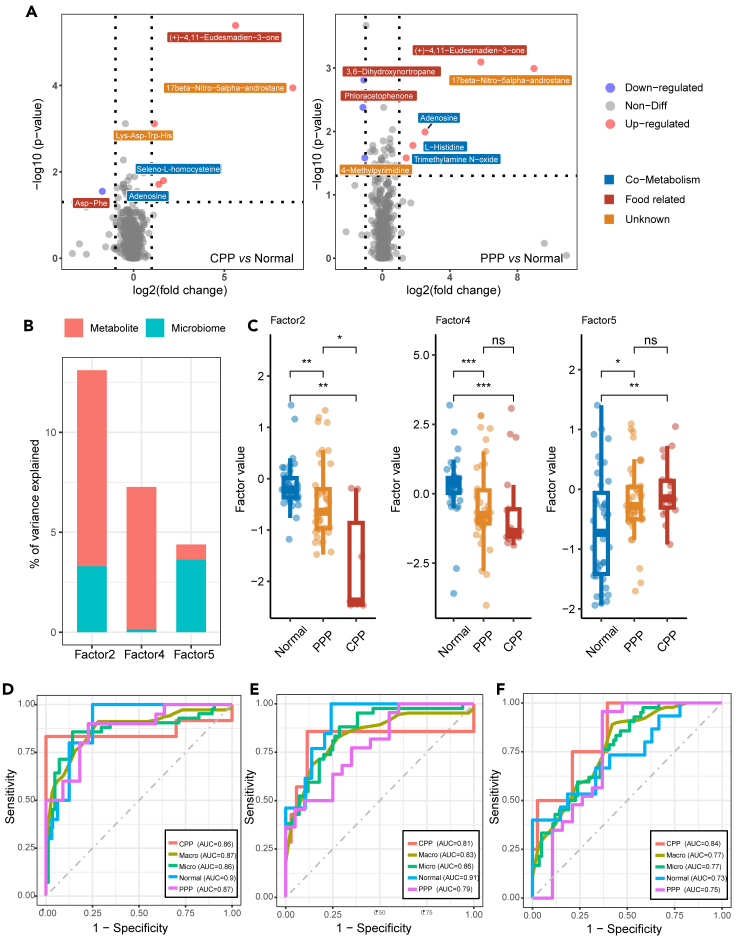
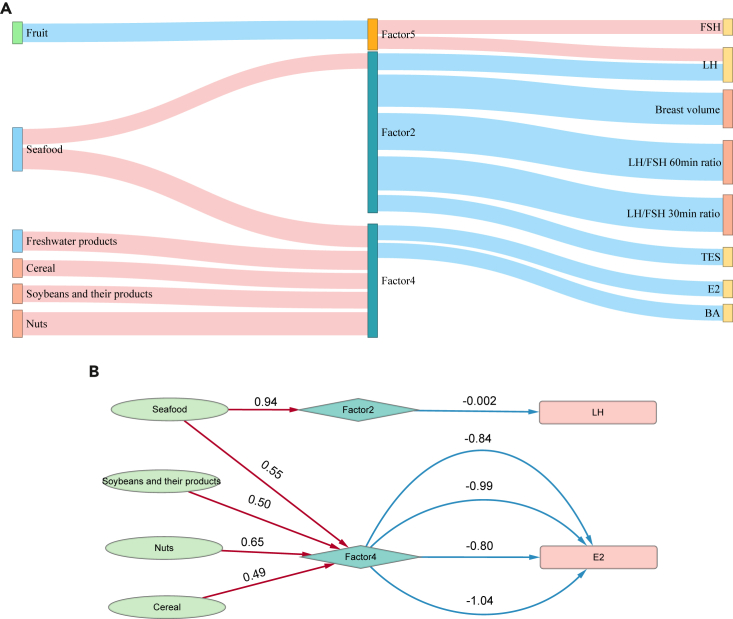
Precocious puberty, a pediatric endocrine disorder classified as central precocious puberty (CPP) or peripheral precocious puberty (PPP), is influenced by diet, gut microbiota, and metabolites, but the specific mechanisms remain unclear. Our study found that increased alpha-diversity and abundance of short-chain fatty acid-producing bacteria led to elevated levels of luteinizing hormone and follicle-stimulating hormone, contributing to precocious puberty. The integration of specific microbiota and metabolites has potential diagnostic value for precocious puberty. The Prevotella genus-controlled interaction factor, influenced by complex carbohydrate consumption, mediated a reduction in estradiol levels. Interactions between obesity-related bacteria and metabolites mediated the beneficial effect of seafood in reducing luteinizing hormone levels, reducing the risk of obesity-induced precocious puberty, and preventing progression from PPP to CPP. This study provides valuable insights into the complex interplay between diet, gut microbiota and metabolites in the onset, development and clinical classification of precocious puberty and warrants further investigation.
Keywords: Developmental biology; Microbiology; Microbiome.
© 2024 The Authors.
Conflict of interest statement
The authors declare that they have no competing interests.
Figures
References
-
- Root A.W. Precocious puberty. Pediatr. Rev. 2000;21:10–19. - PubMed
LinkOut - more resources
Full Text Sources
