


The effect of maternal age on still birth in Africa: A systematic review and meta-analysis
- PMID: 38784246
- PMCID: PMC11111610
- DOI: 10.1002/hsr2.2105
The effect of maternal age on still birth in Africa: A systematic review and meta-analysis
Abstract
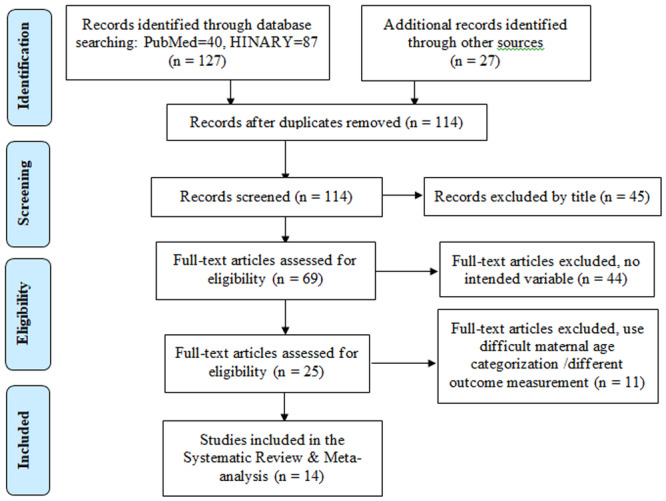
Background and aims: Stillbirth is a public health as well as a development problem in low and middle-income countries. The studies that found out maternal age as a factor for the risk of stillbirth reported different findings. This systematic review and meta-analysis is believed to fill the inconclusiveness of these findings. Hence, the aim of this systematic review and meta-analysis is to estimate the pooled effect of advanced maternal age on stillbirth in Africa.
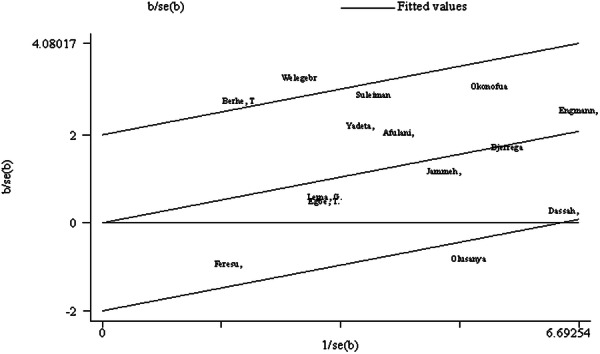
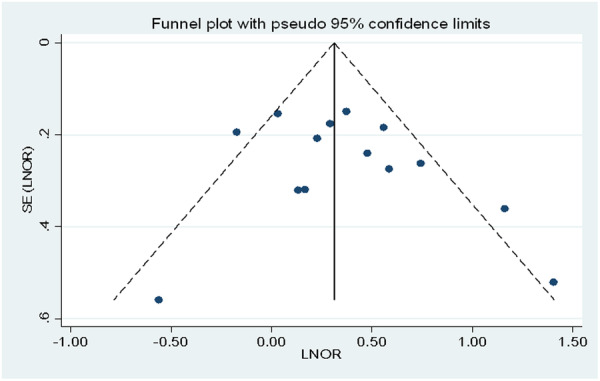
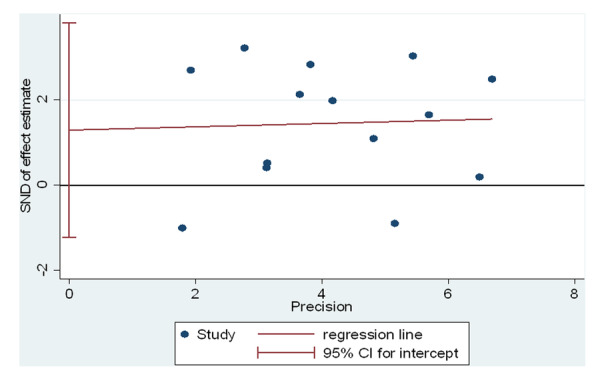
Methods: PubMed & HINARY databases and Google Scholar search engine were searched to access the primary studies. The extracted data using Microsoft excel was exported to Stata 15 software for analysis. The presence of heterogeneity was checked using Cochran's Q statistic and the I 2 test. Publication bias was examined by using funnel plot and Egger's test. The pooled effect measure with DerSimonian and Laird method of random-effect model was reported using odds ratio (OR) with respective 95% confidence interval.
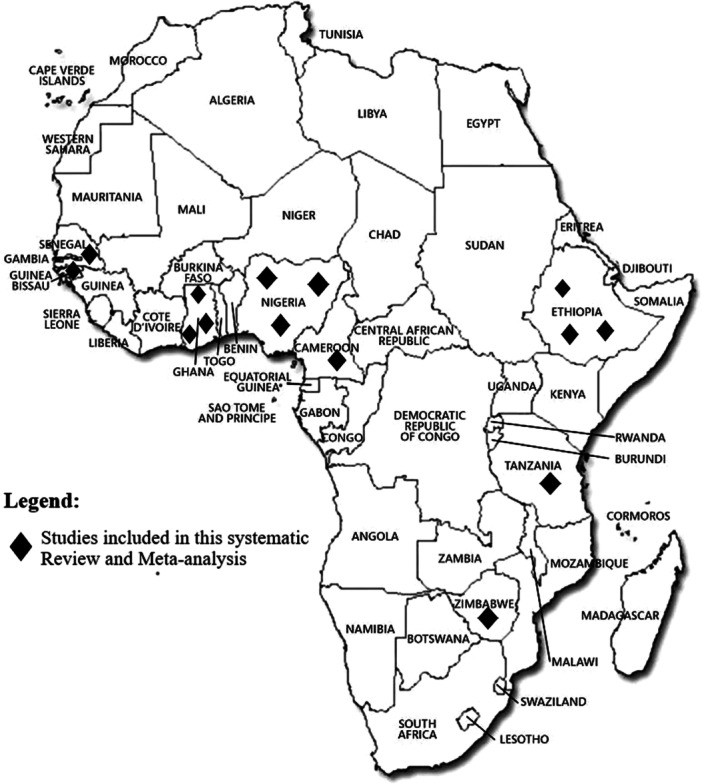
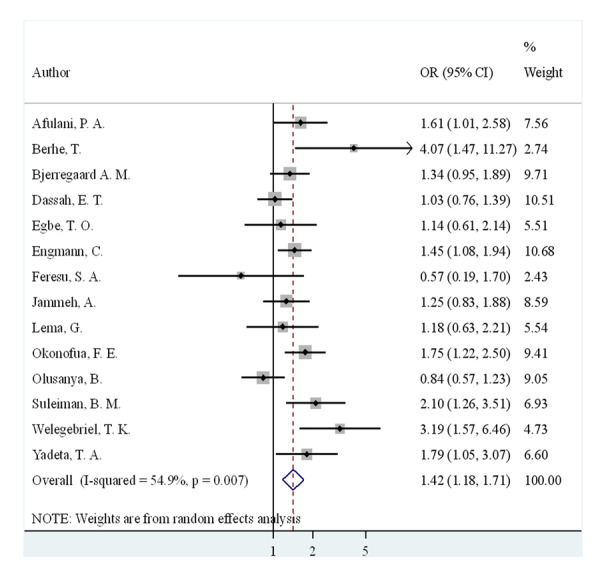
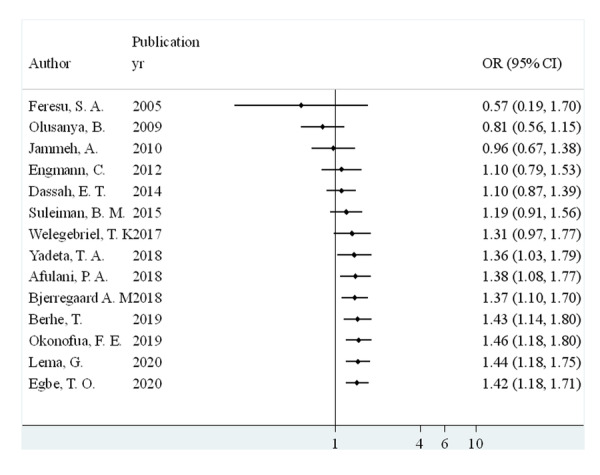
Results: Totally, 14 articles are included for the systematic review and meta-analysis. The stillbirth reported by the studies ranges from 15 to 146.7 per 1000 births. The overall OR of advanced maternal age (≥35 years) on stillbirth is 1.42 (1.18, 1.71) when compared with the age group of 20-35 years. The cumulative effect of getting pregnant at advanced age on stillbirth was slightly increasing from year to year.
Conclusion: Advanced maternal age is a risk factor for stillbirth. Health Information Communication on the risk of getting pregnant at the advanced ages on stillbirth should be well addressed to all women of reproductive age group.
Keywords: Africa; Ethiopia; age; still birth; systematic review and meta‐analysis.
© 2024 The Author(s). Health Science Reports published by Wiley Periodicals LLC.
Conflict of interest statement
The authors declare no conflict of interest.
Figures
References
-
- Hafadh N. Bahrain Family Health Survey 1995. Principle Report. Gulf Family Health Survey. Ministry of Health and League of Arab States; 2000.
-
- World Health Organization . Regional Office for E. Definitions and Indicators in Family Planning Maternal & Child Health and Reproductive Health Used in the WHO Regional Office for Europe. WHO Regional Office for Europe; 2000.
-
- World Health Organization . Born Too Soon: The Global Action Report on Preterm Birth. World Health Organization; 2012.
-
- Lawn JE, Blencowe H, Waiswa P, et al. Stillbirths: rates, risk factors, and acceleration towards 2030. Lancet. 2016;387(10018):587‐603. - PubMed
-
- World Health Organization . Making Every Baby Count: Audit and Review of Stillbirths and Neonatal Deaths: Highlights From the World Health Organization 2016 audit guide. World Health Organization; 2016.
LinkOut - more resources
Full Text Sources
