


Analysis of online prescription patterns in Chinese patients with sequelae of cerebral infarction: a real-world study
- PMID: 38796623
- PMCID: PMC11127947
- DOI: 10.1038/s41598-024-62923-1
Analysis of online prescription patterns in Chinese patients with sequelae of cerebral infarction: a real-world study
Abstract
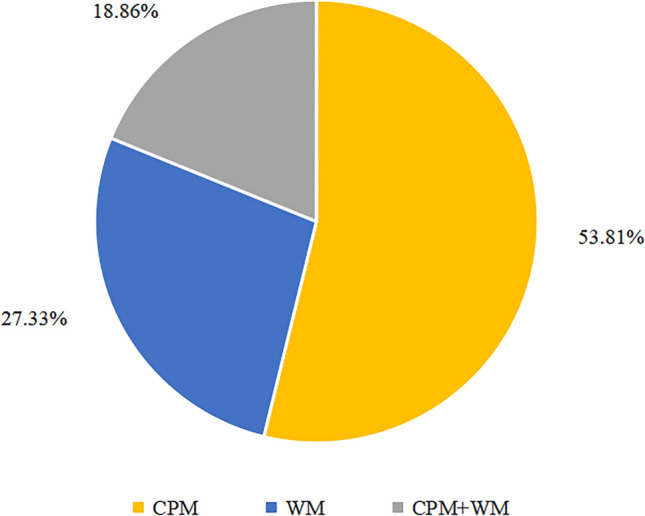
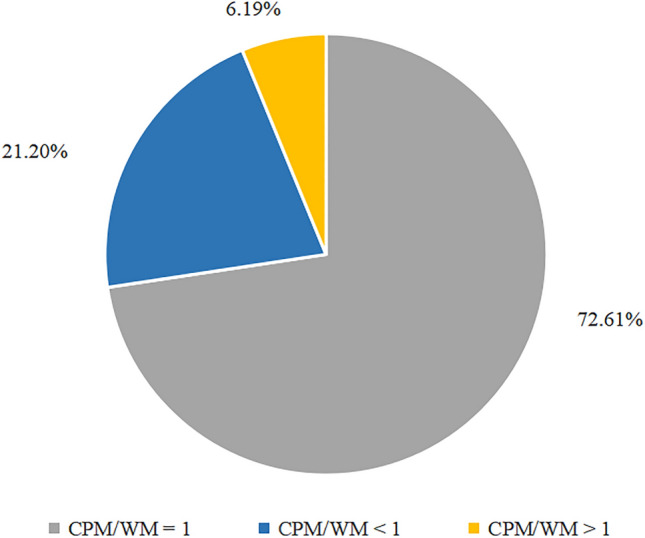
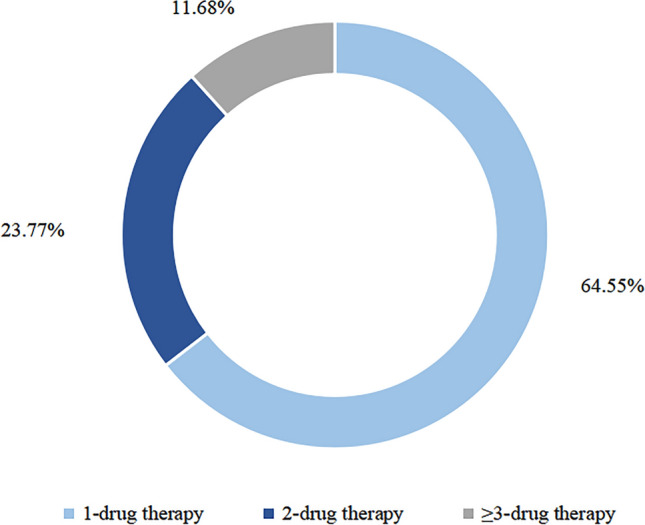
Cerebral infarction (CI) is a common cerebrovascular disease worldwide, and the burden caused by the sequelae of CI has increased significantly. However, current treatment guidelines lack standardized recommendations for pharmacotherapy of sequelae of CI. This retrospective study collected and analyzed 1.98 million prescriptions concerning sequelae of CI from patients admitted to Zhiyun Health Internet Hospital in 2022. The mean age of patients was 66.2 ± 11.4 years, and 52.40% were male. 79.73% had one or more comorbidities. For treatment, the prescriptions of 1-, 2- and ≥ 3-drug accounted for 64.55%, 23.77% and 11.68% respectively. Chinese patent medicine (CPM) prescriptions, western medicine (WM) prescriptions, and CPM and WM combined (CPM + WM) prescriptions accounted for 53.81%, 27.33%, and 18.86% respectively. In CPM prescriptions, the most frequently prescribed medications were Salvia miltiorrhiza (34.81%), Ginkgo biloba (24.96%), Panax notoginseng (20.67%), Gastrodia (7.15%) and Ligusticum Wallichii (4.90%). For WM prescriptions, the most commonly prescribed agents were anti-hypertensive (32.82%), anti-thrombotic (16.06%), vasodilator (15.70%), anti-dementia (10.88%), and lipid-lowering (9.58%) drugs. Among CPM + WM prescriptions, 72.61% had CPM/WM = 1, 21.20% had CPM/WM < 1, and 6.19% had CPM/WM > 1. This research utilized real-world data extracted from internet hospitals in China to present valuable evidence of online prescription patterns among patients experiencing sequelae of CI.
Keywords: Chinese patent medicine; Prescription pattern; Real-world data; Sequelae of cerebral infarction; Western medicine.
© 2024. The Author(s).
Conflict of interest statement
The authors declare no competing interests.
Figures
References
MeSH terms
Substances
LinkOut - more resources
Full Text Sources
