


Unexpected Presentations of Bradycardia, Renal Failure, Atrioventricular Nodal Blockade, Shock, and Hyperkalemia (BRASH) Syndrome: A Report of Two Cases
- PMID: 38800148
- PMCID: PMC11117438
- DOI: 10.7759/cureus.58900
Unexpected Presentations of Bradycardia, Renal Failure, Atrioventricular Nodal Blockade, Shock, and Hyperkalemia (BRASH) Syndrome: A Report of Two Cases
Abstract
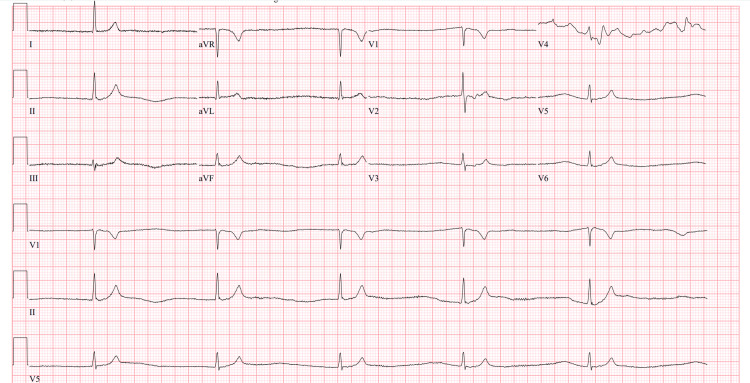
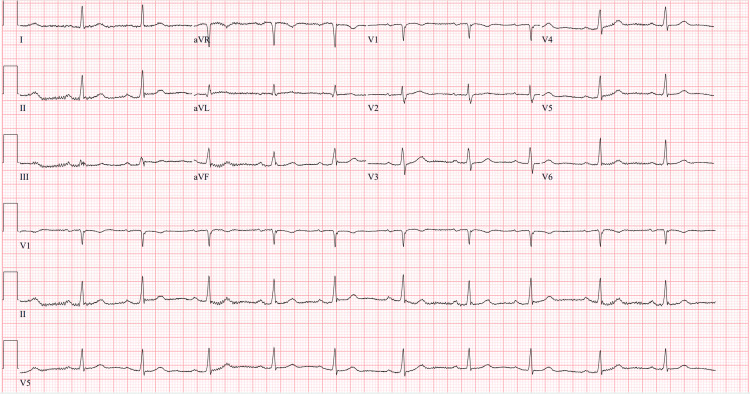
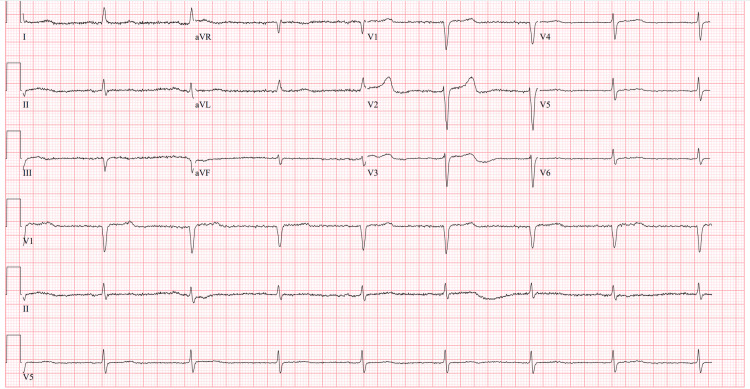
Bradycardia, renal failure, atrioventricular nodal blockade, shock, and hyperkalemia syndrome is an underrecognized phenomenon in which renal injury leads to hyperkalemia and inadequate clearance of atrioventricular nodal-blocking agents. The compounding effect of both insults can lead to a bradyarrhythmia that, in severe cases, can rapidly progress to cardiogenic shock. The degree of resulting pathology is usually out of proportion to either insulting agent given that there is a synergistic effect. Treatment strategies for this condition are not entirely clear, but it appears as if these patients often do not warrant aggressive interventions and can be managed medically. We report two cases with early recognition and simple medical management with resulting favorable outcomes.
Keywords: bradycardia; brash syndrome; cardiogenic shock; hyperkalemia; renal failure.
Copyright © 2024, Patel et al.
Conflict of interest statement
The authors have declared that no competing interests exist.
Figures
References
-
- BRASH syndrome: bradycardia, renal failure, AV blockade, shock, and hyperkalemia. Farkas JD, Long B, Koyfman A, Menson K. J Emerg Med. 2020;59:216–223. - PubMed
-
- BRASH syndrome: a systematic review of reported cases. Majeed H, Khan U, Khan AM, et al. Curr Probl Cardiol. 2023;48:101663. - PubMed
-
- Clinical characteristics of BRASH syndrome: systematic scoping review. Shah P, Gozun M, Keitoku K, Kimura N, Yeo J, Czech T, Nishimura Y. Eur J Intern Med. 2022;103:57–61. - PubMed
Publication types
LinkOut - more resources
Full Text Sources