


The Effect of a Novel Video Game on Young Soccer Players' Sports Performance and Attention: Randomized Controlled Trial
- PMID: 38801708
- PMCID: PMC11144834
- DOI: 10.2196/52275
The Effect of a Novel Video Game on Young Soccer Players' Sports Performance and Attention: Randomized Controlled Trial
Abstract
Background: Currently, the fusion of technology and sports is inevitable. The integration of various systems and devices has brought about significant transformations in established sports practices, impacting not only the rules but also physiological, biomechanical, and even psychological aspects.
Objective: The purpose of this study was to analyze the effect of an attention intervention through a video game on young soccer players.
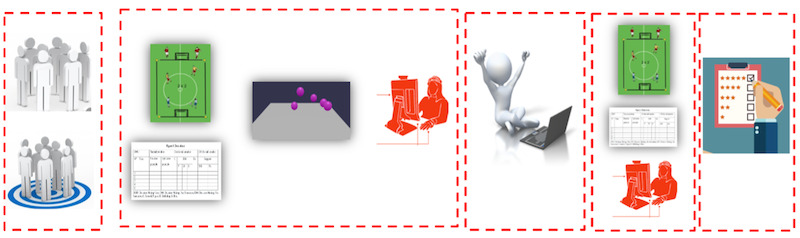
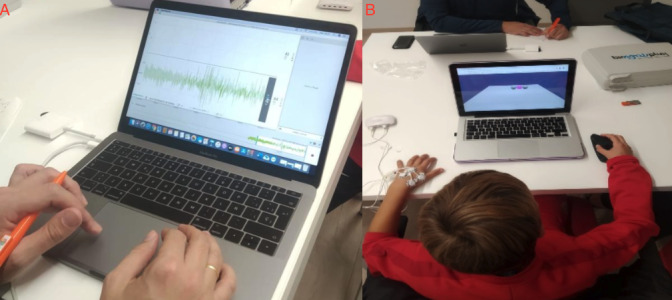
Methods: Twelve young male soccer players (age: mean 8.5, SD 1 years) were divided into 2 groups: a control group (CG; n=10) and an experimental group (EG; n=10). During the 6-week training program, the EG received attention training through a video game twice a week for 15 minutes per session. Pre- and postintervention measurements included a specific decision-making soccer test and interviews with coaching staff. Additionally, success in the video game, muscular activity, and sweat levels were monitored.
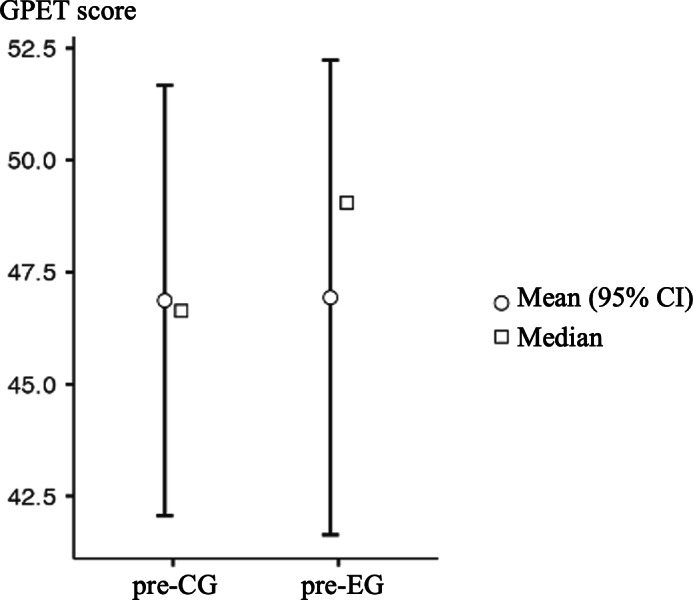
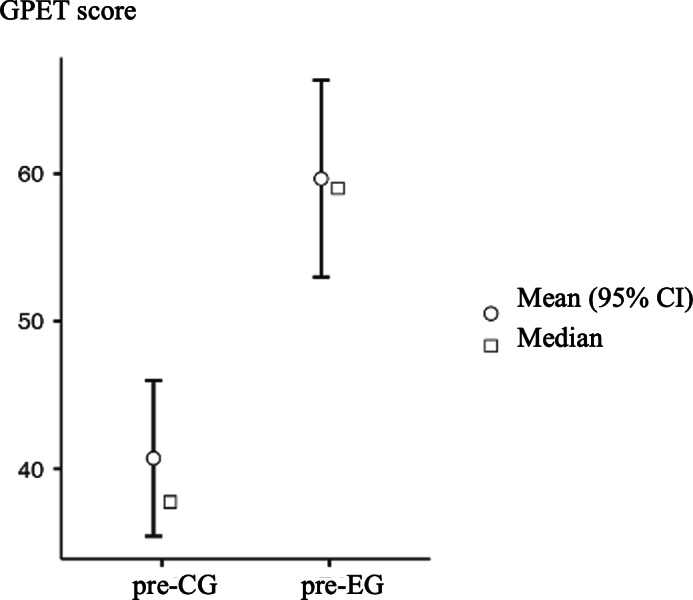
Results: The EG demonstrated a significant improvement in video game success following the intervention program, as indicated by the achieved level (P<.001). However, no significant differences were found between groups regarding electromyographic (EMG) activity (P=.21) and sweating (P=.20). Prior to implementing the attention training program, both groups exhibited similar data for variables related to decision-making and execution mechanisms (≤10%). Only 2 decision-making variables exceeded 10% but remained below 15% (Shot_D=13.35%; Marking_with_Ball_D=-12.64%). Furthermore, changes in attacking action variables were more pronounced in execution-related variables, except for dribbling and fixing. Conversely, in defensive action variables, changes were greater in decision-related variables, except for marking with the ball and marking without the ball.
Conclusions: Our findings reveal that incorporating a specific attentional video game into a soccer training program enhances decision-making compared to a program without the video game. Therefore, it is advisable for practitioners to consider using this tool due to its high efficiency in terms of economic and temporal costs, particularly in improving a key psychological variable.
Keywords: athlete; athletes; athletic; attention training; attentional; ball; decision making; executive function; exercise; exergame; exergames; football; game; games; gaming; interview; interviews; muscle; muscular; performance; physical activity; physiological; reaction time; serious games; soccer; sport; sports; sweat; sweating; training.
© Adrian Feria-Madueño, Germán Monterrubio-Fernández, Jesus Mateo Cortes, Angel Carnero-Diaz. Originally published in JMIR Serious Games (https://games.jmir.org).
Conflict of interest statement
Figures
References
-
- Ballesta Castells C, García Romero J, Fernández García JC, Cruz A. Current methods of soccer match analysis. Rev Int Med Cienc Act Fis Deporte. 2015;15(60):785–803.
-
- Landry SC, McKean KA, Hubley-Kozey CL, Stanish WD, Deluzio KJ. Neuromuscular and lower limb biomechanical differences exist between male and female elite adolescent soccer players during an unanticipated side-cut maneuver. Am J Sports Med. 2007 Nov;35(11):1888–1900. doi: 10.1177/0363546507300823. doi. Medline. - DOI - PubMed
LinkOut - more resources
Full Text Sources
