


Association between hyperuricemia and diabetic nephropathy: insights from the national health and nutrition examination survey 2007-2016 and mendelian randomization analysis
- PMID: 38809295
- PMCID: PMC11405474
- DOI: 10.1007/s11255-024-04094-6
Association between hyperuricemia and diabetic nephropathy: insights from the national health and nutrition examination survey 2007-2016 and mendelian randomization analysis
Abstract
Background: This study aimed to investigate the role of uric acid (UA) in diabetic nephropathy (DN) from epidemiological and genetic perspectives.
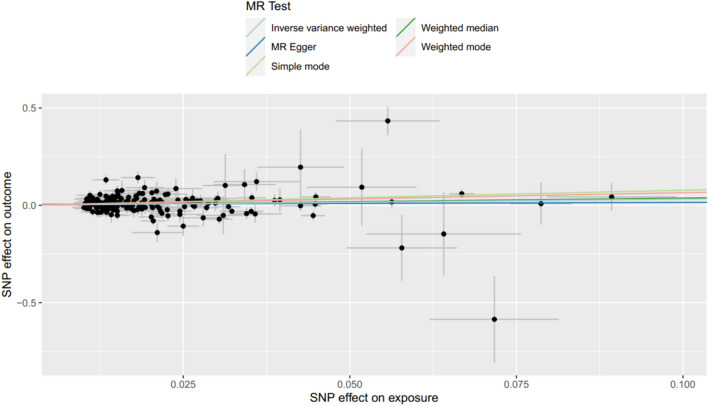
Methods: We used data from the 2007-2016 National Health and Nutrition Examination Survey to evaluate the relationship between UA and DN risk using weighted multivariate-adjusted logistic regression. Subsequently, a two-sample Mendelian randomization study was conducted using genome-wide association study summary statistics. The main inverse variance weighting (IVW) method and supplementary MR method were used to verify the causal relationship between UA and DN, and sensitivity analysis was conducted to confirm the credibility of the results.
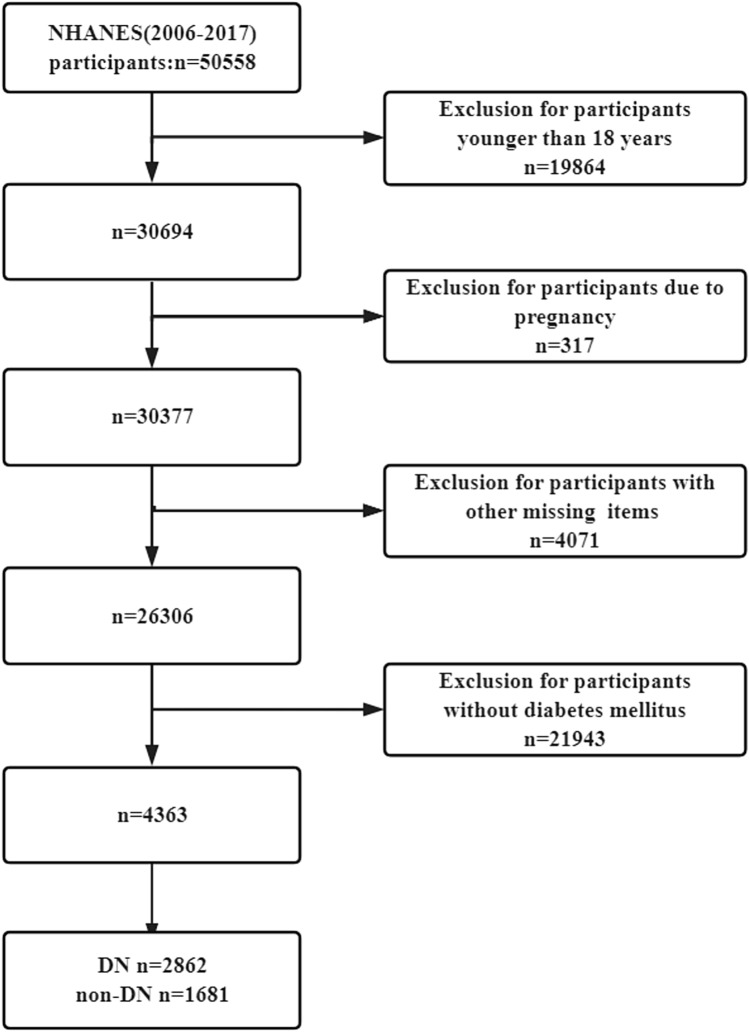
Results: Our observational study enrolled 4363 participants with diabetes mellitus from NHANES, among them, 2682 (61.4%) participants were identified as DN. The multivariate logistic regression model showed that compared with those without hyperuricemia, the DN risk of the hyperuricemia population was significantly increased (P < 0.05). The MR results suggest a direct causal effect of hyperuricemia on DN (IVW odds ratio (OR): 1.37 (95% confidence interval 1.07-1.76); P = 0.01), which is consistent with findings from other MR methods.
Conclusion: The evidence from observational studies indicates a positive correlation between HUA and the onset of DN. And the causal effects of HUA on DN were supported by the MR analysis.
Keywords: Diabetic nephropathy; Mendelian Randomization; National Health and Nutrition Examination Survey; Uric acid.
© 2024. The Author(s).
Conflict of interest statement
Authors have no conflict of interest to declare associated with this study.
Figures
References
-
- Saeedi P, Petersohn I, Salpea P et al (2019) Global and regional diabetes prevalence estimates for 2019 and projections for 2030 and 2045: results from the International Diabetes Federation Diabetes Atlas, 9th edition. Diabetes Res Clin Pract 157:107843 - PubMed
Publication types
MeSH terms
Substances
LinkOut - more resources
Full Text Sources
Medical
